If you’ve ever walked through a manufacturing plant, a packaging facility, or a workshop relying on pneumatic tools, you’ve probably heard the low, steady hum of a screw compressor unit. As a screw compressor supplier with over a decade of experience working directly with plant operators, maintenance teams, and plant managers, I’ve seen these units keep operations running smoothly— and I’ve also seen how a single unaddressed issue can shut down a production line in hours. Screw compressors are designed for durability, reliability, and consistent compressed air output, but they’re not invincible. Over years of service, even well-maintained units will develop common, often predictable problems that catch teams off guard if they’re not familiar with their root causes. Today, I want to break down the most frequent issues I’ve observed in my work supporting clients, explain why they happen, and what you can do to address them before they lead to costly downtime. Screw Compressor Unit
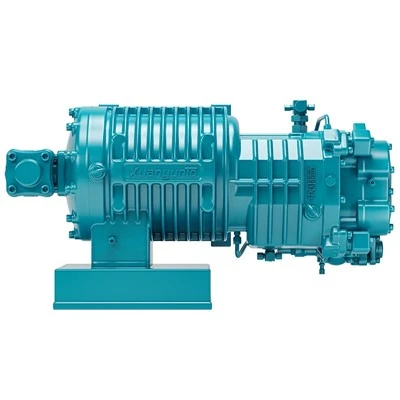
First on the list is airend wear and tear, and it’s the most common problem I see across both new and older screw compressor units. The airend is the core component of a screw compressor—it’s the pair of helical rotors that mesh together to trap and compress air. Unlike reciprocating compressors that use pistons, screw compressors have no valves, which makes them quieter and more efficient, but the rotating rotors are constantly in contact with one another (even if they have a small, precision-engineered clearance between them). Over time, that clearance can widen, especially if the unit is exposed to poor quality inlet air or if maintenance is skipped. I recently worked with a small food processing plant that had a 5-year-old screw compressor unit that was putting out 15% less air than its rated capacity. When our team inspected the airend, we found metal shavings in the lubricant and a rotor clearance that was 0.008 inches wider than the manufacturer’s recommended limit. The cause? The plant’s inlet air filter hadn’t been changed in 18 months, so fine dust and food particulates had seeped into the airend, acting like sandpaper on the rotors. The result? The airend had to be rebuilt, costing the plant thousands in downtime and parts. What makes airend wear tricky is that it often develops gradually—you might not notice reduced air output until it’s already a major issue. Most of the time, this problem is preventable: sticking to a strict filter change schedule, using the right grade of compressor oil, and avoiding overloading the unit beyond its rated capacity can extend airend life by years.
Next, oil carryover is another widespread issue that affects both unit performance and the downstream equipment it powers. Oil carryover happens when compressor oil is mixed into the compressed air stream that leaves the unit, rather than being separated and returned to the lubrication system. Small amounts of oil in compressed air might not seem like a big deal at first, but over time it can damage pneumatic tools, contaminate products (a huge risk for food, pharmaceutical, and electronics manufacturing), and clog air lines. I once supported a pharmaceutical client that had a batch of injectors ruined because oil from their screw compressor had traveled through the air lines and into the production equipment, leading to thousands of dollars in wasted product and a delayed shipment. The root causes of oil carryover are usually two-fold: a faulty oil separator or moisture in the lubrication system. The oil separator is the component that removes oil from the compressed air, and if it’s clogged, damaged, or past its replacement interval, it can’t do its job effectively. Moisture in the compressor oil is another culprit—water in the oil can break down the oil’s ability to separate from air, leading to foam in the separator. Regular oil analysis and replacing the oil separator every 2,000 to 4,000 hours of operation (depending on the model) are the best ways to prevent this issue.
Overheating is the third common problem, and it’s often a sign that other issues are present, not just a problem on its own. Screw compressors rely on circulating oil to absorb the heat generated during compression and keep internal components from overheating. If the unit’s cooling system isn’t working properly, the oil temperature can rise above the manufacturer’s safe limit (usually around 100°C or 212°F), which can break down the oil, damage the airend, and trigger automatic shutdowns to prevent further harm. The most frequent cause of overheating is a dirty or blocked cooling coil. In dusty environments, like sawmills or metal fabrication shops, the cooling coil can get covered in dust, debris, or oil residue, which insulates it and prevents it from releasing heat properly. A client in the lumber industry came to me last winter saying their screw compressor was shutting down every afternoon due to overheating. When our team checked the cooling coil, we found it was completely coated in sawdust, which had built up over a month of cold weather when the team wasn’t doing routine cleaning. Other causes of overheating include a faulty thermostat that doesn’t regulate oil temperature correctly, or low oil levels—if the lubrication system is leaking or hasn’t been topped off, there’s not enough oil to absorb heat. The fix here is simple: regular cleaning of cooling coils, checking oil levels daily, and calibrating thermostats annually.
Unusual noise and vibration are often early warning signs that a screw compressor unit has a problem that needs attention. While all screw compressors make a low, consistent humming noise, loud knocking, rattling, or uneven vibration is not normal. I’ve seen clients ignore noise and vibration for months, assuming it’s just part of the unit’s normal operation, only to have a critical component fail. Common causes of abnormal noise and vibration include misaligned rotors, worn bearings, loose internal parts, or unbalanced rotors. In one case, a small print shop had a screw compressor that started making a loud rattling noise over a few weeks. Our inspection found that a set of connecting rods in the airend had worked loose due to regular vibration, and they were hitting the rotor housing. If the shop had addressed the noise when it first started, they could have avoided a full airend replacement and several days of downtime. The key here is to listen to your unit—document any changes in noise or vibration, and have a technician inspect the unit as soon as you notice something off. Most of the time, minor adjustments or part replacements can fix these issues before they turn into major failures.
Energy inefficiency is a problem that’s often overlooked because it doesn’t cause immediate downtime, but it adds up to thousands of dollars in extra costs every year. Screw compressor units are designed to be energy efficient, but as they age or develop minor issues, their energy consumption can rise by 10-20% or more. We recently worked with a metal fabrication client whose utility bills for their screw compressor were 18% higher than the industry average for similar units. After an audit, we found that the unit’s inlet valve was stuck partially open, meaning it was running unloaded for long periods of time, wasting energy. Other common causes of inefficiency include dirty air filters, which force the unit to work harder to pull in air, and leaks in the air lines. Even small air leaks (as small as a pinhole) can add up to 5-10% wasted energy in a compressed air system. Regular efficiency audits, fixing air leaks promptly, and replacing worn components like inlet valves can help keep your unit running at peak efficiency and lower operational costs.
Now, it’s important to note that many of these issues can be avoided with proper maintenance, but even the best-maintained screw compressor units will need repairs or component replacements over time. That’s why it’s so crucial to work with a supplier that not only provides high-quality units but also offers support for maintenance, troubleshooting, and repairs. As someone who works closely with screw compressor units every day, I know that no plant wants to deal with unexpected downtime or wasted money on unnecessary repairs. The good news is that most of these common problems have straightforward solutions when caught early. Whether you’re dealing with airend wear, oil carryover, overheating, noise and vibration, or inefficiency, addressing the root cause quickly will save you time, money, and stress in the long run.

If you’re experiencing any of these issues with your screw compressor unit, or if you’re looking to upgrade to a more reliable, efficient unit for your operation, I’m here to help. Our team has the expertise to troubleshoot common problems, provide honest recommendations for repairs or replacements, and support your compressed air system to keep your operations running smoothly. Don’t let a small issue turn into a major disruption—reach out to our team to start a conversation about your screw compressor needs today.
Spiral Freezer References
Compressed Air and Gas Institute. "Screw Compressor Operation and Maintenance Guidelines." 2021.
ISO 1217. "Compressed Air for General Use—Measurement of Performance." International Organization for Standardization, 2020.
U.S. Department of Energy. "Compressed Air System Optimization Guide." 2019.
Grimm, R. "Positive Displacement Compressors: Screw and Scroll Technology." Industrial Press, 2018.
Zhejiang Xuanyuntong Refrigeration Technology Co., Ltd.
Zhejiang Xuanyuntong Refrigeration Technology Co., Ltd. is one of the most experienced screw compressor unit manufacturers and suppliers in China. We warmly welcome you to wholesale high quality screw compressor unit made in China here from our factory. Also, custom service is available.
Address: South Side, No.9 Zhongyuan, Pukou Sub-district, Shengzhou City, Shaoxing City, Zhejiang Province, China
E-mail: admin@xytrefrigeration.com
WebSite: https://www.xytrefrigeration.com/
