If you’ve ever had a pipe leak at a bad joint, a tiny pinhole corrosion spot, or a crack that popped up out of nowhere, you probably know how stressful that can be. I’ve been a repair clamp supplier for over a decade, and more times than I can count, I’ve gotten calls from people panicking about these exact issues, asking why their clamp didn’t work as soon as they tightened it. Nine out of ten times, the answer isn’t the clamp itself—it’s the gasket. That’s why people often ask me: What exactly is a repair clamp gasket for? And why is it the unsung hero of every pipe fix? Let’s break this down like I’d explain it to a plumber who just hung up the phone after a messy morning leak. Repair Clamp
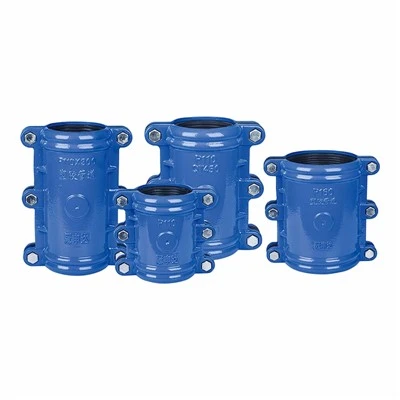
First, let’s get the basics straight: a repair clamp is that curved, two-piece metal cover you bolt around a damaged section of pipe, right? It’s strong, durable, designed to hold pressure. But metal clamps, no matter how high-grade stainless steel they are, can’t do their job alone. Pipe systems—whether they’re PVC, cast iron, steel, or even copper—aren’t perfectly smooth. They have rough spots from corrosion, uneven edges at the crack or leak, tiny pits, or gaps between sections of joined pipe (like at a coupling that’s worn out). If you just tighten the metal clamp against that uneven surface, there’s no way to create a tight, leak-proof seal. That’s where the gasket comes in: it’s the soft, custom-molded piece inside the clamp, and its only job is to bridge all those gaps so the clamp’s pressure turns into a seal, not just a press on uneven metal.
Let me give you a real example. Last year, a plumber in Chicago hit me up at 2 a.m. His customer’s old cast iron sewer line had a crack from a tree root, and he’d tried to use a generic clamp he bought at a big box store. The clamp was tight, but water was still seeping out around the edges. He thought the clamp was garbage, so he brought it to me the next day. I looked at the gasket—turns out it was a cheap rubber that was way too hard, and it didn’t match the shape of the pipe or the crack. When he tightened the clamp, the hard rubber couldn’t compress to fill the tiny gaps along the crack, so pressure just pushed water right through the space between the gasket and the pipe. We swapped in a custom EPDM gasket (the go-to for most sewer and water lines) that matched the pipe’s diameter and was soft enough to conform to the crack’s rough edges, and he was back at the job in 10 minutes. No more leaks. That’s the gasket working.
Now, let’s talk about the different things a repair clamp gasket actually does, because it’s not just “make seal.” First, it compensates for pipe irregularities. Like I said, no pipe is perfect. Old cast iron gets pitted from years of corrosion. PVC might have a slight bulge at a joint that’s glued wrong. Steel pipes can have small dents from construction work. The gasket has to be soft enough to squish into all those imperfections so there’s no void where fluid can escape. If you skip a quality gasket, even the best clamp is useless—you might as well be wrapping a bandage around a rock and expecting it to stop a cut.
Second, it acts as a barrier between the clamp metal and the pipe. Wait, why does that matter? Metal clamps are almost always stainless steel, which is great for corrosion, but some pipes—especially older ones—are made of uncoated steel or cast iron. If you have two different metals touching (stainless steel clamp and uncoated steel pipe), you get galvanic corrosion. That’s when one metal breaks down because of the electrochemical reaction between the two. The gasket is a non-conductive barrier that stops that from happening, so your clamp doesn’t end up damaging the pipe it’s supposed to fix. I’ve seen this mess before: a guy installed a clamp without a gasket on a galvanized steel water line, and within a year, the pipe corroded right through where the clamp touched it. Total waste of a clamp, and a way bigger leak to fix.
Third, it maintains pressure integrity. Pipe systems run at different pressures—your main water line is probably 40-80 PSI, a gas line might be higher, a sewer line is lower but still has fluctuating flow. The gasket has to be rated for that pressure. A cheap, thin gasket will blow out or compress over time, especially in higher pressure systems. For example, if you’re fixing a 100 PSI steel water line, you can’t use a gasket designed for low-pressure sewer lines. It won’t hold. That’s why we always ask customers what pipe type, pressure, and fluid they’re working with when they’re ordering gaskets—one size doesn’t fit all, and picking the wrong one is a quick way to have to redo a fix a month later.
Now, let’s talk about the different types of gaskets, because not all are created equal, and that plays a huge role in what they’re for. The most common is EPDM (Ethylene Propylene Diene Monomer) — it’s flexible, resistant to water, steam, and most chemicals, and works great for water, sewer, and HVAC lines. That’s the one I mentioned earlier with the Chicago plumber. Then there’s Nitrile (Buna-N) — that’s for oil and gas lines, because it’s resistant to petroleum products that would eat through EPDM. For food or beverage processing lines, we use Viton gaskets, which are super resistant to harsh chemicals and high temperatures. And for very low-temperature applications, like some cold water lines in cold climates, we use silicone gaskets that stay flexible even in freezing temps. Picking the wrong gasket material is like using a paper towel to clean up a gasoline spill—it just won’t work.
I should also clear up a common myth: some people think you can just use a regular rubber washer or even a old tire inner tube as a gasket. That’s a big no. Those materials aren’t rated for pipe pressure, they break down quickly when exposed to water or chemicals, and they don’t conform to pipe shapes. A tire inner tube, for example, is thick and rigid, so it won’t seal around a tiny crack. I’ve seen people try that, and they end up calling me a week later with a mess because the tire rubber rotted and fell apart. Gaskets for repair clamps are custom molded to fit the exact clamp and pipe diameter, so they have the right thickness and shape to create a tight seal.
Now, why should you care about this if you’re not a plumber? If you’re a property manager, a facility worker, or a contractor, choosing the right repair clamp gasket is the difference between a quick fix that lasts 10 years and a headache that comes back in 6 months. Last year, a commercial building manager in Detroit came to me with a leak in his 6-inch steel water line. He’d bought two clamps from a cheap supplier, and both leaks came back after a week. I looked at his gaskets—they were generic EPDM, but they were cut too short, so they didn’t cover the entire crack. The clamp could tighten, but the edges of the gasket were too small, so water seeped out around the sides. We made him custom gaskets that matched the full length of the clamp and the pipe’s diameter, and he hasn’t had a leak since. That’s how important the gasket is—it’s not an afterthought, it’s the core of the repair.
As a repair clamp supplier, I tell every customer: don’t skimp on the gasket. The clamp is the strong outer layer, but the gasket is the part that actually stops the leak. I’ve seen so many people cut corners on gaskets to save a few bucks, only to spend way more time and money redoing the fix. When you order repair clamps from us, we don’t just send a clamp—we include a gasket that’s matched to your pipe type, pressure, and application, because we know that’s what makes the clamp work.
If you’re dealing with a pipe leak, a crack, or a joint that’s giving you trouble, don’t guess which gasket you need. We’ve worked with plumbers, facility managers, contractors, and homeowners on all kinds of pipe issues, and we can help you pick the right gasket and clamp for your specific job. Just reach out to us to chat through your project, no matter how big or small. We’ll make sure you get the right parts to fix your pipe once, not twice.
Bell End Repair Clamp References
- American Water Works Association. (2020). Repair Clamp Design and Installation Standards for Water Distribution Systems.
- Pipe Fabrication Institute. (2019). Selection and Application of Gaskets for Pipe Repair Systems.
- National Association of Plumbing-Heating-Cooling Contractors. (2021). Residential and Commercial Pipe Repair Best Practices.
Fujian Fufa Valve Manufacturing Co., Ltd.
As one of the most professional repair clamp manufacturers and suppliers in China, we’re featured by quality products and good price. Please rest assured to buy durable repair clamp made in China here from our factory. Welcome to view our website for more information.
Address: Meilin Xikou Industrial Zone, Nan’an City, Quanzhou City, Fujian Province
E-mail: hongwenjin@fufafamen.cn
WebSite: https://www.fufavalve.com/
