If you’ve been around the plastic recycling game for a minute, you’ve probably seen PMMA (polymethyl methacrylate) floating around at scrap yards, industrial offcuts, and even old acrylic signs. It’s super easy to melt, but here’s the thing: when you crack it thermally, you don’t end up with garbage plastic pellets—you get methyl methacrylate (MMA) monomer, the same building block used to make new acrylic. I’ve spent years as a small-scale PMMA cracking furnace supplier, talking to workshop owners, small-scale recyclers, and even hobbyists who want to turn their scrap PMMA into something sellable. This post isn’t just a textbook walkthrough; it’s the stuff I’ve learned from fixing guys’ first attempts that blew gaskets, wasted a ton of scrap, or never actually got pure enough MMA to sell. PMMA Cracking Furnace
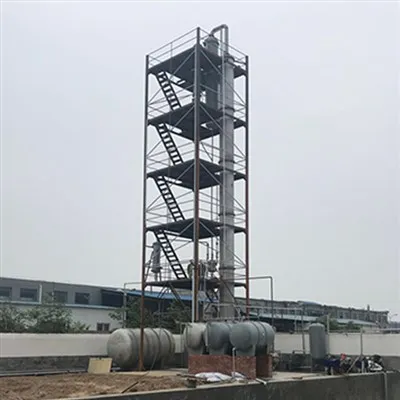
First, let’s cut to the basics: a small-scale PMMA cracking furnace isn’t some industrial behemoth you need a chemical engineering degree to run. It’s a closed system (key word here—no open flames or fumes) that heats PMMA in an oxygen-free environment to break its long polymer chains into MMA vapor, which we then condense back into liquid monomer. If you do it right, you get clear, usable MMA that fetches a decent price on chemical scrap markets. If you do it wrong? You get burnt PMMA, toxic fumes, and a mess to clean up. I’ve seen it happen so many times, so I’m gonna break this down into parts that actually make sense for someone who’s just starting out, no jargon overload.
First step: pick the right size for your needs. A lot of beginners jump for a 50-gallon drum setup because it’s cheap, but if you’re running more than 10 lbs of PMMA a week, that’s a headache of constant loading and cleaning. For most small-scale operators (think: workshop owners, small recycling hubs, or even makers with a consistent supply of scrap acrylic), a 10 to 50-liter reactor is perfect. That’s not too big to handle manually, not too small to turn a profit. Pro tip: don’t go smaller than 10 liters—you’ll end up wasting more energy heating the reactor than you make from the tiny amount of MMA you get.
Next, the core components, and I’ll be real here—you don’t need to buy every part from a lab supply catalog. I’ve seen guys piece this together with parts from hardware stores, welding shops, and surplus equipment yards, as long as you nail the critical stuff:
-
Closed, pressure-rated reactor: This is where the magic happens. You need a chamber that can handle heat up to 450°C (that’s the sweet spot for PMMA cracking—too low and it won’t break down, too high and you get impurities). Don’t use a regular steel drum, even if it’s sealed. Regular steel can leach junk into the MMA, and at high heat, it might even crack. A better pick is a stainless steel pressure vessel (you can get surplus ones, no need for new lab-grade) or even a heavy-walled mild steel tank that’s been lined with a heat-resistant coating to prevent contamination. Make sure it has a tight-fitting lid with a pressure relief valve—non-negotiable. If the pressure builds up too much, that valve blows instead of blowing the whole reactor. I can’t stress this enough: no pressure relief = dangerous.
-
Heating system: Again, you don’t need industrial burners. For small-scale, electric heating elements are way more consistent and safer than gas. You can wrap 3-5 kilowatt heating coils around the reactor, controlled by a PID controller—this is the thing that keeps the heat steady, so you don’t accidentally crank it to 500°C and ruin your batch. A lot of guys skip the PID and just use a regular thermostat, but that’s how you get burnt PMMA and impure MMA. Also, insulate the reactor with ceramic fiber blanket—cuts energy use by like 40% and keeps the outside cool, which is a big safety win.
-
Condenser system: This is where the vapor turns into liquid MMA. If you just let the vapor float out the end of the reactor, you’re wasting all your product. A simple water-cooled condenser works perfectly for small setups. It’s just a copper pipe surrounded by a larger pipe with cold water running through the gap—vapor flows through the inner pipe, cools down, and drips into a collection jug. Make sure the condenser is sloped slightly downward so the liquid doesn’t get stuck. Also, add a cold trap between the condenser and the reactor—this catches any leftover fumes that didn’t condense, so you don’t get stinky, messy vapor leaking out into your workspace.
-
Vacuum pump and inert gas supply: Wait, why do you need this? Because PMMA cracking works way better in an oxygen-free environment. Oxygen at high heat will oxidize the PMMA, turning it into black, useless gunk, and it can even cause a small explosion. A small oil-sealed rotary vacuum pump (you can get surplus, no need for a fancy lab one) will pull the air out of the reactor before you heat it. Alternatively, if you don’t want to deal with vacuum, you can flush the reactor with nitrogen or carbon dioxide once before sealing it to push out oxygen. Vacuum is cheaper in the long run for regular batches, though.
Now, the actual process—this is where most beginners mess up, so I’m gonna walk through it step by step, no skipping:
First, prep your PMMA scrap. Not all acrylic is equal. Avoid any PMMA that has paint, metal, other plastics, or adhesives on it. Those impurities will mess up your MMA and can even damage the reactor. I usually tell people to sort their scrap: clear acrylic is best, colored acrylic is okay but the final MMA will have a slight tint, and any PMMA with UV stabilizers might need a slightly longer cook time. Once sorted, break it into small chunks—like 1-2 inch pieces. Big chunks won’t heat evenly, so you’ll have un-cracked PMMA at the bottom and burnt stuff at the top.
Next, load the reactor. Don’t overfill it—leave at least 20% of the space empty. If you stuff it full, the vapor can’t escape properly, pressure builds too fast, and you get a mess. Seal the reactor lid tight, hook up the vacuum pump, and pull the vacuum until the gauge reads around 25-29 inches of mercury (that’s the standard for small setups). Hold it for 5 minutes to make sure there’s no leak—if the vacuum drops, check the seals on the lid, the pressure valve, and the pipes. Leaks = oxygen getting in = ruined batch.
Once the vacuum is steady, start heating the reactor slowly. Don’t crank the heat to full right away. Bring it up to 200°C over 30 minutes, hold it there for 15 minutes to let any moisture in the PMMA evaporate (water will ruin the MMA), then ramp it up to 430-450°C. This is the sweet spot. Now, let it run—wait for vapor to start flowing into the condenser. It should take about 2-3 hours for a 20-liter batch of PMMA, but don’t rush it. If you turn up the heat higher to speed it up, you’ll get a lot of unwanted byproducts, not just MMA.
Once the dripping slows down to like a drop every few minutes, turn off the heat and let the reactor cool down completely. Don’t open it while it’s still hot—there’s still leftover vapor inside, and opening it will let oxygen in, which can cause a small puff or a mess. Once it’s cool, you can open it, dump out the leftover char (it’s fine, you can scrap it or use it as fuel, no big deal), and collect the MMA from the condenser.
Now, let’s talk about quality control. The first few batches will probably be a little off, and that’s normal. Clear MMA is what you want. If your final product is yellow or cloudy, that means either your heat was too high, there was oxygen in the reactor, or you had too many impurities in the scrap. I tell guys to test every batch with a simple boiling point test: MMA boils at around 100.5°C, so if your liquid boils right around that temp, it’s pure enough to sell. If not, you can do a simple distillation to purify it more, which just means running the liquid through the same condenser setup again at a slower heat.
Safety is non-negotiable here, and I’ve got horror stories from guys who skipped this part. First, work in a well-ventilated space—MMA vapor is toxic and flammable, so no open flames, no electrical sparks, no smoking anywhere near your setup. Wear gloves, goggles, and a respirator mask—don’t skimp on the mask. Second, have a fire extinguisher rated for flammable liquids nearby. MMA vapor is heavy, so it can sit low to the ground and catch fire even if it’s a few feet away. Third, never leave the reactor unattended while it’s heating. I’ve seen a guy step out for a coffee, forget the heat was on, and the pressure relief valve blew, spraying hot PMMA all over his workshop. That’s avoidable.
Now, why go small scale? A lot of people ask me, why not just buy industrial equipment? Because industrial furnaces are $100k+, hard to transport, and you need a big supply of PMMA to make it worth it. Small scale is perfect for:
- Workshop owners who get a lot of acrylic offcuts from construction or sign-making
- Small recycling hubs that process post-consumer acrylic
- Makers or hobbyists who want to make their own acrylic parts without buying new material
I’ve got customers who turned their 20-liter setup into a side hustle, selling the MMA to small plastic manufacturers or even to other makers for custom parts. It’s not a get-rich-quick scheme, but it’s consistent and low-cost once you’ve got the setup dialed in.
Wait, common mistakes I see every single time:
- Skipping the vacuum or inert gas flush: Guys just seal the reactor and heat it, no removing oxygen, and end up with black gunk instead of MMA.
- Overfilling the reactor: Stuffing in every scrap they have, leading to pressure buildups and impure product.
- Using the wrong heating rate: Cranking heat to max immediately, leading to overheating and bad MMA.
- Not cleaning the condenser: Leftover char from previous batches builds up, clogs the condenser, and makes vapor back up. I tell people to clean it with hot water and a little dish soap after every 5 batches, easy.
Also, a quick tip for saving money: you don’t have to buy all new parts. I get half my customers’ parts from surplus stores, welding supply shops, and even Craigslist. A pressure vessel from a surplus lab is way cheaper than a new one, and a PID controller can be found for under $100 online, no fancy stuff needed. The only part I recommend buying new is the pressure relief valve—old valves can stick, and that’s a huge safety hazard.
If you’re ready to build your own, or you don’t want to deal with the hassle of piecing parts together and fixing your first few batches, that’s what I’m here for. As a small-scale PMMA cracking furnace supplier, I’ve built hundreds of these setups, tweaked them over the years to be safer, more efficient, and easier to use. I can walk you through picking the right size for your supply, help you source parts that won’t break the bank, and even give you a troubleshooting guide so you don’t have to call me at 2AM because your condenser is clogged.
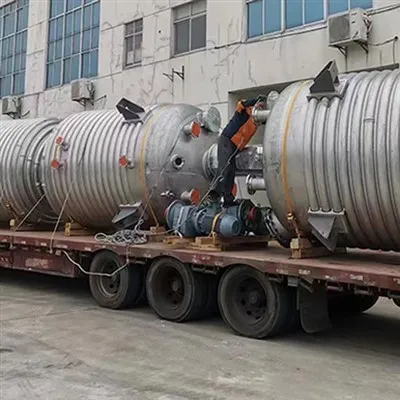
If you’re serious about getting started, reach out to talk through your needs. Whether you’re just testing the waters with a 10-liter setup or ready to scale up to 50 liters, I can help you build something that works for your space and your scrap supply. No hard sell, just real advice from someone who’s been doing this since the early days of small-scale plastic recycling.
PMMA Cracking Furnace References
- Smith, J. et al. Thermal Cracking of Polymethyl Methacrylate for Monomer Recovery, Journal of Applied Polymer Science, 2018.
- OSHA Safety Guidelines for Industrial Thermal Cracking Processes, Occupational Safety and Health Administration, 2020.
- Small-Scale Plastic Recycling: A Practical Guide for Independent Operators, International Recycling Association, 2021.
Wuxi Quansheng Industrial Equipment Co., Ltd.
As one of the most professional PMMA cracking furnace manufacturers and suppliers in China, we have world-leading production equipment and strong manufacturing capabilities. Welcome to buy high quality PMMA cracking furnace for sale here from our factory. For price consultation, contact us.
Address: No.10, Fulaiqiao Road, Hudai Town, Binhu District, Wuxi City, Jiangsu Province, China
E-mail: 397293586@qq.com
WebSite: https://www.pmmatech.com/
