If you’ve ever grabbed a carton of fresh milk from the grocery store shelf, folded a takeout container around your lunch, or tucked a frozen pizza into its branded box, you’ve interacted with food packaging — a part of daily life most of us barely notice until it’s missing. As a food packaging supplier, I’ve spent 12 years learning that this “invisible” layer is far more than just a wrapper to hold food. It’s a scientific, strategic tool that impacts everything from a product’s shelf life to your next meal. Let’s break down what food packaging actually is, why it matters so much, and why a thoughtful, supplier-driven approach makes all the difference. Food Packaging
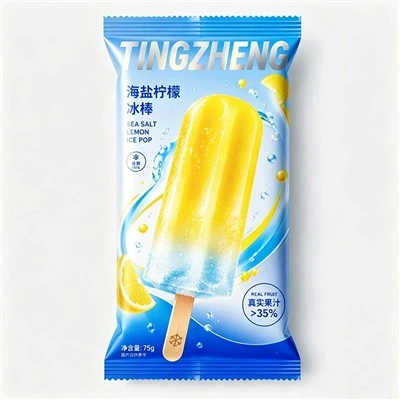
At its core, food packaging is a system of materials, designs, and processes that wraps, protects, and preserves food products from the moment they leave a production line to when a consumer opens them. It’s not a one-size-fits-all; a banana’s packaging is a thin, porous plastic clamshell, a bag of potato chips is a multi-layered foil-lined pouch, and a jar of pickles is a thick, airtight glass container. Each is chosen for specific properties that match the food’s needs and the supply chain it travels through. The science here is non-negotiable: for example, oxygen causes fats to go rancid, moisture makes dry cereal stale, and light can break down vitamins in milk. Packaging is engineered to block exactly these variables, extending a product’s shelf life by days, weeks, or even months. But its role goes way beyond preservation.
One of the most critical, and often underdiscussed, functions of food packaging is food safety. Without proper packaging, food can be exposed to pathogens, contaminants, or physical damage during transit. Think of berries being shipped cross-country: a flimsy plastic bag would get crushed and mushy in a truck full of other produce. A perforated clamshell, on the other hand, lets air circulate to keep berries fresh without letting in dirt or bacteria, while the rigid walls prevent bruising. For ready-to-eat meals, packaging is even more vital; it creates a sterile barrier that keeps harmful microbes from spreading, eliminating the risk of foodborne illness. That’s not just a convenience — it’s a public health priority, and suppliers like me work with food manufacturers to test every material for safety, ensuring it won’t leach chemicals into food, even when heated (for microwaveable containers) or refrigerated for long periods.
Shelf appeal and consumer experience are another huge piece. In a store aisle with hundreds of identical products, packaging is often the first thing that catches a shopper’s eye. A colorful, clear plastic bag showing off golden potato chips makes them more likely to pick that brand over a plain, opaque pouch. But it’s not just about looks: packaging also adds practical value for the consumer. A resealable bag for trail mix lets you only open what you need, keeping the rest fresh instead of letting it go stale in an open pantry. Easy-open lids for jars of jam make it accessible for people with limited dexterity, and portion-controlled packaging helps consumers stick to dietary goals. For small-batch producers or major brands alike, good packaging turns a commodity into a product people recognize and trust. As a supplier, I work closely with clients to balance that visual appeal with functionality — because a beautiful box that leaks or spoils food is useless.
Then there’s sustainability, a topic that’s transformed the food packaging industry over the last decade, and one we prioritize heavily as a supplier. For years, most packaging was single-use and disposable, leading to massive waste. Today, modern food packaging is designed with circularity in mind. That could mean using recycled paper for cereal boxes, compostable plant-based plastics for fresh produce, or lightweighting materials to cut down on transport emissions. For example, we recently worked with a salad manufacturer to switch their plastic clamshells to a 100% compostable material made from sugarcane, which reduced their packaging’s carbon footprint by 32% and eliminated 1.2 million pounds of plastic waste annually. It’s not just about meeting consumer demand; it’s about meeting regulatory requirements too — more countries are banning single-use plastics, and suppliers have to stay ahead of these rules to keep their clients compliant. That means constant research into new materials, like mushroom-based packaging and seaweed wraps, that work as well as traditional plastics but are gentler on the planet.
But here’s what many people don’t talk about: food packaging is a logistical workhorse. Without it, the global food supply chain would collapse. Think about importing coffee from Colombia, chocolate from Switzerland, or frozen seafood from Vietnam. Each product has to travel thousands of miles, through varying temperatures and rough handling. Packaging is the buffer that protects products during shipping, so they arrive at stores intact. For bulk shipments, industrial packaging (like heavy-duty cardboard drums for flour or industrial-sized plastic totes for juice concentrate) is designed to stack efficiently, cut down on transport costs, and keep large batches of food safe until they’re processed and packaged for retail. As a supplier, we don’t just sell materials — we design packaging that fits into our clients’ entire supply chain, whether that’s making sure a case of cans stacks 10 high without crushing, or that a pouch of baby food can be scanned quickly at checkout.
It’s important to address a common misconception, too: some people see food packaging as unnecessary waste, especially when it comes to fresh produce. But studies from the World Resources Institute show that proper packaging reduces food waste by up to 50% by keeping food fresh longer. When a head of lettuce is wrapped in a thin, breathable plastic film, it stays crisp twice as long as an unwrapped head, meaning it doesn’t get thrown out at the store or in your fridge. That’s a win for consumers, for manufacturers, and for the planet — reducing the 1.3 billion tons of food that goes to waste every year is one of the biggest climate solutions we have, and packaging plays a direct role there.
As a food packaging supplier, I’ve seen how the right packaging can make or break a product. I’ve worked with small artisanal bakeries to design custom kraft paper bags that are compostable, show off their homemade cookies, and keep them fresh for a week. I’ve partnered with global snack brands to develop multi-layered pouches that keep chips crispy for three months on a shelf, even when shipped to hot climates. Every project starts with a conversation: what’s the food’s shelf life? Where is it shipping? Who’s the consumer? What are their sustainability goals? Packaging isn’t an afterthought — it’s part of the product’s development from the very first recipe. For too long, manufacturers treated packaging as an add-on, but today, smart, intentional packaging is a competitive advantage.

If you’re a food manufacturer, restaurateur, or brand owner looking to update your packaging, or you’re just starting out and need guidance on what works for your products, I’m here to help. We work with businesses of all sizes, from startups to large corporations, to develop safe, functional, and sustainable packaging solutions tailored to your needs. No matter your budget or product type, we can collaborate to find options that align with your goals, whether that’s extending shelf life, improving shelf appeal, or reducing your environmental impact.
Candy and Snacks Packaging References
- Food and Agriculture Organization of the United Nations (FAO). (2022). The Role of Packaging in Reducing Food Loss and Waste. Rome: FAO.
- Institute of Food Technologists (IFT). (2021). Science of Food Packaging: Materials, Safety, and Sustainability. Chicago: IFT Press.
- Ellen MacArthur Foundation. (2020). The Circular Economy for Food Packaging: Opportunities for Action. Cowes: Ellen MacArthur Foundation.
- U.S. Food and Drug Administration (FDA). (2023). Food Contact Materials: Safety Requirements and Testing Protocols. Silver Spring, MD: FDA.
Hangzhou Tingzheng Packaging Co., Ltd.
Hangzhou Tingzheng Packaging Co., Ltd. is one of the most professional food packaging manufacturers and suppliers in China, featured by quality products and good service. Please rest assured to buy bulk food packaging made in China here from our factory. We also accept customized orders.
Address: 3rd Floor, Building D, The Mixc, Minhang District, Shanghai, China
E-mail: dzyygg@thpmg.com.cn
WebSite: https://www.tingzhengpackaging.com/
