If you’ve walked through a bustling rooftop restaurant on a sweltering summer evening, you’ve probably felt the cool, fine mist drifting through the air—enough to make a 90°F (32°C) feel like 78°F (25°C) without soaking your clothes. For years, high pressure mist generators (HPMGs) have been a staple of outdoor cooling, but as a supplier who’s fielded hundreds of questions from cafe owners, gym managers, and boutique hotel operators, one question keeps popping up: can these systems work indoors too? The short answer is yes—but it’s not a simple “plug and play” fix. There are critical differences between outdoor and indoor installations that make success depend on design, system specs, and proper maintenance. Let’s break this down based on what we’ve learned working with commercial spaces over the last eight years. High Pressure Mist Generator
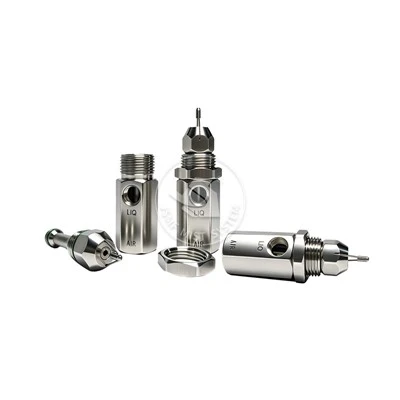
First, let’s recap how high pressure mist generators work, because that’s the foundation of why indoor use is possible (and why it can go wrong if misapplied). Unlike low-pressure misters that use garden hose-level pressure (around 50 PSI), HPMGs push water through specialized nozzles at 1,000 to 3,000 PSI. This extreme pressure shatters water into droplets that are just 5 to 10 microns wide—so small they’re invisible to the naked eye. When these droplets evaporate, they absorb heat from the surrounding air, creating a cooling effect. Outdoor systems rely on air movement (from fans or natural breeze) to carry the mist away quickly, preventing over-saturation, but indoors, that air flow works differently. That’s where most people misstep when they assume an outdoor HPMG will translate directly to a coffee shop or yoga studio.
Let’s start with the scenarios where indoor HPMGs not only work but shine. The most common success stories are in spaces with good existing ventilation, high foot traffic, and a need for unobtrusive cooling. For example, we installed a system last year in a 1,200-square-foot boutique yoga studio in downtown Austin. The studio had floor-to-ceiling glass walls that let in intense afternoon sun, and traditional air conditioning couldn’t keep up without running 24/7, which pushed energy costs up by 30% in summer. We worked with their HVAC team to add small, ceiling-mounted exhaust fans that pulled stale, moist air out at a rate of 150 cubic feet per minute (CFM) per mist nozzle. The HPMG runs at 2,000 PSI, with nozzles spaced 10 feet apart along the ceiling, and the mist evaporates before it can reach the floor. We measured a 5°F (3°C) drop in temperature, and since the droplets are so fine, yoga mats, clothing, and props stay completely dry—even during 90-minute hot yoga classes. The studio’s energy bill dropped by 22% that summer, and they added the system as a selling point for their hot yoga packages.
Another great indoor use case is industrial break rooms and warehouse offices. We recently outfitted a 2,000-square-foot break area for a manufacturing plant in Detroit. The plant’s main cooling system is designed for heavy machinery, not the 80 employees who take breaks outdoors. Traditional fans didn’t help because the air coming from the warehouse was already warm and stagnant. The HPMG system we installed is connected to the plant’s existing ventilation system, which exchanges air every 3 minutes. We adjusted the mist output to 0.5 gallons per hour (GPH) total—far lower than the 2 GPH we use for outdoor patio systems. The result? The break room stays 4°F (2°C) cooler, and even with 80 people in the space at lunchtime, there’s no dampness on walls, tables, or floors. Employees reported higher satisfaction, and the plant’s management saved an estimated $1,800 a month on supplemental AC units they were previously using for the break area.
But here’s the catch: HPMGs can’t work in every indoor space, and improper installation is the most common reason they get a bad rap. The biggest mistake we see is under-ventilation. Indoors, unlike outdoors, there’s no constant wind to carry mist away. If a space doesn’t have adequate air exchange (at least 1 air change per hour for small commercial spaces, 2 for larger ones), the mist won’t evaporate fast enough. Instead of turning into invisible vapor, it clumps into larger droplets, leaving walls damp, dripping from ceilings, and making floors slippery. We had one client a few years back, a small bakery in Chicago, who installed an outdoor-grade HPMG in their 800-square-foot dining area without adding any exhaust. Within a week, they had mold growing on the ceiling beams, slipping hazards on the tile floors, and customers complaining their clothes felt sticky—before they even felt cooler. That system had to be removed, and we had to work with a contractor to fix the mold damage before we could install a properly designed indoor system a few months later.
Another factor to consider is the type of space and its contents. Spaces with lots of electronics—like data centers, home offices, or media rooms—are high-risk because even small amounts of moisture can cause damage. We don’t recommend HPMGs for spaces where water contact is a safety hazard unless you pair the system with extremely precise humidity controls. The ideal indoor humidity level for HPMG operation is between 40% and 60%. If indoor humidity is already above 65% (common in basements or Pacific Northwest spaces in winter), adding mist will make the air feel muggy instead of cool. We always suggest testing indoor humidity for 3 to 5 days before proposing an HPMG installation—this is a step many contractors skip, but it’s the difference between a successful project and a failed one.
System design is also non-negotiable. Outdoor HPMGs typically have nozzles spaced 5 to 8 feet apart, but indoors, we space them 10 to 12 feet apart to avoid over-concentrating mist. We also use nozzles with slightly smaller orifices—0.3 mm instead of 0.4 mm for outdoor systems—to produce even finer droplets that evaporate faster. Pressure is another adjustment: we rarely use 3,000 PSI indoors, because higher pressure produces slightly larger droplets. Most indoor systems run at 1,500 to 2,000 PSI, which balances cooling output with evaporation rate.
Maintenance is another key difference between indoor and outdoor systems. Outdoor HPMGs are exposed to dust, pollen, and rain, so we recommend flushing the system once a month and replacing nozzles every 6 months. Indoors, there’s less debris, but because indoor spaces often use recirculated air, there’s more risk of mineral buildup from tap water. If you’re using hard water (high in calcium and magnesium), you’ll need a water softener or a filtration system to prevent nozzles from clogging. We had one office client in Phoenix who skipped the filtration step, and within 3 months, half their nozzles were clogged, reducing cooling efficiency by 40%. For indoor systems, we suggest a weekly flush and annual nozzle inspection to keep everything running smoothly.
Over the years, we’ve also seen how HPMGs can complement, not replace, existing indoor cooling systems. They’re not a replacement for central AC in a 10,000-square-foot retail space, but they’re a cost-effective add-on for high-traffic areas where AC struggles to reach—like entryways, food courts, or seating nooks. For example, a mall in Atlanta added an HPMG system to its food court last year, where the mix of hot food, large crowds, and glass roofs made AC ineffective. The system runs 12 hours a day, uses 1.2 GPH total of water, and cuts the food court temperature by 6°F (3°C) during peak lunch hours. The mall’s management reported that sales at food outlets in the food court went up 12% in the first six months after installation, as customers stayed longer instead of leaving to get cool elsewhere.
There are also creative indoor use cases that most people don’t think of. We recently worked with a museum in Boston that wanted to add a cooling system to its outdoor sculpture garden, but the interior entrance was always warm in summer, making visitors uncomfortable before they even saw the exhibits. The museum installed a small HPMG system above the entrance hallway, with exhaust fans that pull air out toward the garden. The hallway stays 5°F cooler, and because the mist evaporates before it reaches the interior door, there’s no moisture seeping into the museum’s collection spaces. It’s a middle ground that works for both indoor and outdoor transitions, a space that’s often overlooked for cooling solutions.
Now, let’s address some common myths about indoor HPMGs. A lot of people worry that mist will make the air too humid, but as long as the system is sized correctly and paired with proper ventilation, the increase in humidity is only 2% to 3%—negligible for comfort. Another myth is that HPMGs use too much water: a typical indoor system uses 0.5 to 1.5 GPH, which is far less than a garden hose running for an hour. We’ve found that commercial clients see an average water cost increase of $15 to $25 a month for a full indoor system, which is a tiny fraction of the energy savings they see from reduced AC use.
If you’re considering an HPMG for your indoor space, here are three key steps to take before reaching out to a supplier. First, test your indoor humidity for three days to make sure it’s below 65%—you can use a cheap hygrometer for this. Second, calculate your air exchange rate: if you don’t know, a contractor can measure how much air your space moves per minute. Third, make a list of your space’s unique needs: are there electronics, delicate materials, or high foot traffic? This will help a supplier design a system that fits, not one that’s a one-size-fits-all outdoor unit.
At our company, we’ve installed HPMGs in over 200 indoor commercial spaces across North America, and the only failures we’ve had are from projects that skipped those three steps. The best part of working with these systems is that they offer a sustainable cooling solution, too—since they reduce AC use, they cut carbon emissions and lower energy bills. For small businesses operating on tight margins, that’s a big deal, and for spaces looking to reduce their environmental footprint, it’s a easy add-on that delivers real results.

If you’re ready to explore whether a high pressure mist generator is right for your indoor space, don’t hesitate to reach out to our team to discuss your needs and request a custom quote. We’ve worked with everything from small cafes to large warehouses, and we’ll make sure your system is designed to keep your space comfortable without the downsides of dampness or high costs.
Cooling Mist Generator References
- ASHRAE. (2021). HVAC Applications Handbook: Evaporative Cooling Systems. American Society of Heating, Refrigerating and Air-Conditioning Engineers.
- Environmental Protection Agency. (2022). Energy Efficiency Tips for Commercial Buildings. U.S. EPA Office of Energy and Environment.
- International Organization for Standardization. (2019). Standard for High Pressure Mist Cooling Systems (ISO 14644-9). ISO.
- National Renewable Energy Laboratory. (2020). Evaporative Cooling for Commercial Buildings: Performance Analysis. U.S. Department of Energy.
Jinsheng Mist Forest-High Pressure Mist System
Jinsheng Mist Forest-High Pressure Mist System is one of the most experienced high pressure mist generator manufacturers and suppliers in China, featured by quality products and low price. Please rest assured to wholesale bulk high pressure mist generator in stock here and get pricelist from our factory. Customized orders are welcome.
Address: 109 Yonghong Road, Wenjiang District, Chengdu City, Sichuan Province, China
E-mail: nebufly@jinshengwusen.cn
WebSite: https://www.jswsmist.com/
