Hey everyone, Sarah here, and I run a small but scrappy medical disposables supply company—you know, the kind that shows up on time, gets the little details right, and doesn’t make you jump through 17 hoops just to restock exam gloves or suture kits. Lately, I’ve been getting nonstop questions from clients and fellow industry folks: What’s the actual global market size for medical disposables? Is it still growing, or is this just another bubble waiting to pop? As someone who’s in the thick of ordering, shipping, and troubleshooting every single week, I wanted to break this down like we’re chatting over coffee—no stuffy jargon, no confusing charts, just the real deal. Medical Disposables
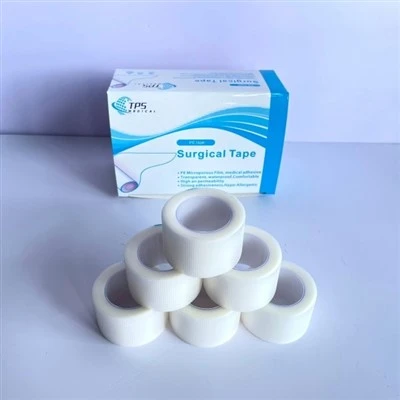
First off, let’s define what we’re talking about, because “medical disposables” covers way more than just the blue gloves you see in a doctor’s office. It’s every single single-use item that keeps care safe and consistent: exam gloves (nitrile, latex, vinyl), surgical gowns, face masks, syringes, IV catheters, wound dressings, urine collection bags, even the little suction tips used in emergency rooms. Basically, if you use it once and throw it away (or it’s designed for one patient only), that’s our lane. It’s not the high-tech implantables or the reusable machines—we’re the behind-the-scenes, make-every-procedure-possible stuff.
Now, the market numbers. A lot of recent reports—ones I actually trust, like Grand View Research and Statista—say the global medical disposables market was around $155 billion in 2023. Wait, that’s bigger than I thought when I started this company five years ago. But here’s the kicker: it’s not staying static. The compound annual growth rate (CAGR) is sitting at like 5.8% right now, which means by 2028, we’re looking at close to $200 billion. That growth isn’t random, either—three big factors are driving it, and if you’re a buyer or a supplier, you need to know them.
First, post-pandemic normalization? Wait, no—let’s be real, the pandemic didn’t just fade away. It shifted a lot of habits. Before 2020, a lot of smaller clinics and urgent care centers would reuse some items when they thought it was safe. But COVID hammered home how single-use disposables cut down on cross-contamination, even when it’s not a global crisis. Now, even rural clinics in places like Southeast Asia and Latin America are ditching their old reusable stock and going disposables full-time. That’s a huge, untapped market right there—places that weren’t big players before are suddenly ordering way more than they used to.
Second, the aging global population. I don’t need to tell you this—my mom’s 72, she’s in and out of the doctor’s office for checkups, and every visit uses at least two disposables: a face mask, a blood pressure cuff cover, a thermistor, maybe a glucose test strip if she’s managing diabetes. The World Health Organization says by 2050, one in six people on the planet will be over 65. That’s a lot more people needing routine care, treatments, and procedures—all of which rely on disposables. Elderly patients also have more complex needs, like wound care or IV lines, which means more disposables being used per person than when someone’s 30.
Third, the rise of outpatient procedures. Ten years ago, if you needed a minor surgery, you’d stay in the hospital for a day or two. Now, almost everything—colonoscopies, cataract removals, even small skin cancer excisions—happens in outpatient surgery centers, urgent care clinics, or even mobile clinics. Each of those settings uses way more disposables than a traditional hospital room. A hospital might reuse a surgical tool, but an outpatient clinic will use a single-use instrument every time to keep costs low and infection risk down. That shift is a game-changer for our industry.
But wait, it’s not all smooth sailing. I’ve seen a lot of headlines about supply chain issues, and yeah, those still pop up. For a while in 2022, we couldn’t get enough nitrile gloves because factories in Malaysia and Thailand were short on raw materials. Now, it’s balancing costs—raw materials like latex and plastic are getting more expensive, and a lot of buyers are trying to cut costs without skimping on quality. That’s where a lot of big suppliers mess up, but for us, that’s our niche: we source high-quality, FDA-approved disposables without marking them up to crazy prices, and we don’t hoard stock when there’s a shortage so our regular clients don’t get left in the lurch.
Also, let’s talk about regional breakdowns, because not every part of the world is growing at the same pace. North America is still the biggest market—about 35% of the total, mostly because of our high healthcare spending and strict infection control rules. Europe is right behind it, at around 28%, thanks to the EU’s focus on patient safety. But the fastest growth is in Asia-Pacific, by far. Countries like India, China, and Indonesia are building more hospitals and clinics, and their middle class is growing, so more people can access healthcare. I already work with a couple of distributors in India, and they tell me their orders are up 20% year-over-year. That’s the growth area to watch, hands down.
Now, why does this matter if you’re someone who needs to buy medical disposables? Let’s be honest: most buyers are just trying to get the right products, on time, without going over budget. The market size and growth rate tell us two big things: first, there’s more competition, but also more options than ever before. Big pharma companies used to dominate, but now there are smaller, specialized suppliers like me who can offer faster turnaround and more flexible terms. Second, the demand is only going up, so if you’re a clinic or practice, you don’t have to settle for suppliers that make you wait weeks for a shipment. There are plenty of us who can get you what you need in a few days, if not same-day for emergency orders.
I also want to address a common myth: a lot of people think “medical disposables” are all cheap, throwaway items that cut corners. That’s not true. The growth in the market is also driven by a focus on quality—clients don’t just want the cheapest exam gloves; they want gloves that fit well, don’t tear during a procedure, and are safe for sensitive skin. They want surgical gowns that don’t let fluids seep through, because that’s a big infection risk. That’s why I only work with factories that have passed FDA and CE certifications—no cutting corners, even when costs are tight.
What’s my takeaway as a supplier? The market’s growing, but it’s not a “set it and forget it” kind of business. You have to adapt—last year, I added more inventory of wound dressings because more clinics started offering minor wound care, and this year, I’m expanding my line of pediatric disposables, which has been a huge gap in my client base. I also make sure to check in with my regular buyers every month to see what they need—if they’re using more face masks than usual for a new clinic, or if they need a different size of IV catheters, I adjust my orders accordingly.
If you’re a clinic manager, a practice owner, or even someone working in a small hospital, here’s what I want you to know: the medical disposables market is bigger and more dynamic than it’s ever been. You don’t have to work with a huge, impersonal supplier that treats you like a number. We’re the ones who show up, listen to what you need, and make sure you have the disposables you need to keep your patients safe. If you’re tired of supply delays, overpriced products, or suppliers that don’t answer your calls, reach out. We can chat, go over your current needs, and figure out a way to make your ordering process easier.
At the end of the day, medical disposables are the backbone of modern healthcare. No matter how fancy the new medical devices are, if you don’t have clean, safe, single-use items to use, care can’t happen. The global market is growing because more people than ever are getting the care they deserve, and that means our work is more important than ever. I’m proud to be part of that industry, even in a small way, and I want to help other healthcare providers get the tools they need to do their jobs well.
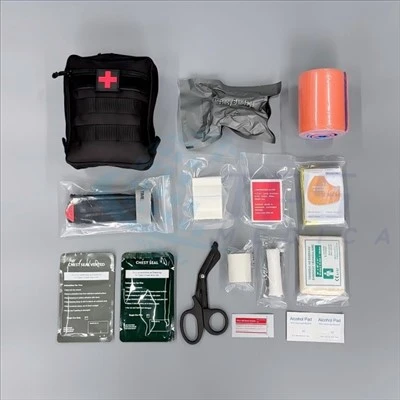
If you’re looking to restock, adjust your supplier, or just get a better handle on your disposables orders, hit me up. We can walk through what you’re currently using, where you’re running into issues, and figure out a plan that works for your practice. No sales pitches, no jargon—just straightforward, reliable supply for your team.
Tactical First Aid References: Grand View Research, Global Medical Disposables Market Size, Share & Trends Analysis Report By Product, By End-use, By Region, And Segment Forecasts, 2023-2028; Statista, Global Medical Disposables Market Size from 2018 to 2028; World Health Organization, Global Report on Aging and Health 2022.
Hangzhou Tuopusi Medical Products Co., Ltd.
As one of the most professional medical disposables manufacturers and suppliers in China, we offer a wide range of products with superior quality. Please feel free to wholesale bulk customized medical disposables at competitive price from our factory. Also, free sample is available.
Address:
E-mail: sales@tpsmedic.com
WebSite: https://www.medressing.com/
