Hey there, fellow industry folks – especially if you’re knee-deep in piping systems, flow control, and all that good stuff. I’m someone who’s spent years working with sleeve type soft sealing plug valves (yeah, I’m a supplier for ‘em, so I know a thing or two) and I’ve lost count of how many times people mix these up with gate valves. It’s a total fair mistake – both are go-to’s for stopping or starting flow, right? But make no joke, they’re super different under the hood, and picking the wrong one can turn a smooth operation into a headache real quick. Let’s break this down like we’re chatting over a coffee (or a cold beer, no judgment) – no stuffy jargon, just real talk. Sleeve Type Soft Sealing Plug Valve

First off, let’s get the basics straight so we’re all on the same page. What even is a valve, at its core? It’s a gadget that controls fluid (water, oil, gas, whatever) movement through a pipe. Both sleeve type soft sealing plug valves and gate valves are used for on/off control mostly – not really for throttling, like if you need to adjust flow slowly. But that’s where the similarities end. Let’s start with how each is built, ‘cause that’s the root of all their differences.
Take a gate valve first – I’m sure you’ve seen these big, bulky guys before. You got that flat, wedge-shaped gate (hence the name) that slides up and down between two seats to block or open the pipe. Open the valve, the gate’s all the way up, so fluid flows straight through. Close it, the gate slams down, presses against those metal seats, and stops flow dead. Now, sleeve type soft sealing plug valves? Their main part is a tapered (or sometimes straight) plug, wrapped in a soft seal sleeve – that’s the key here. The plug spins 90 degrees, like turning a doorknob, to line up holes in the plug with the pipe so flow happens, or spin it 90 more to block the holes. That quick spin is a huge vibe shift from the gate’s slow up-and-down slide.
Let’s talk about operation speed first ‘cause that’s a game-changer. Gate valves – yeah, they do a tight shutoff, but man, you gotta crank that handle forever to open or close ‘em. Turn the handwheel 10, 20, even 30 times, depending on the size. Why? ‘Cause the gate has to move a long distance – the full diameter of the pipe – to clear the flow path. That’s not a big deal if you’re doing on/off once a week, but if you’re in a system where you need to toggle flow fast? Gate valves will make you late, and maybe even cause water hammer (that loud, scary pipe rattle) ‘cause you can’t get ‘em open quick enough.
Now, sleeve type soft sealing plug valves? Their operation is 90 degrees, one quick spin. A full open to closed is just a quarter turn of the handle, or even automated with an actuator if you’re fancy. That’s like 1/10th the movement of a gate valve. No more cranking forever – hit the button, turn the lever, and you’re done. That’s a massive win for systems where frequent operation is normal, like in chemical plants, water treatment, or even industrial processes that cycle a lot.
Next up, shutoff tightness – this is where folks often debate, and it’s not as black and white as you might think. Gate valves have been around forever, and with metal-to-metal seats, they can get a really tight seal… but only if they’re installed right, and if you don’t leave ‘em partially open for too long. Here’s the catch: the gate has those two metal edges that press against the seats, but if there’s any gunk in the pipe (scale, sediment, whatever), that gunk can get between the gate and seats, leaving a tiny leak. And once the gate’s closed, the edges can wear over time, too – so that leak gets worse. Some gate valves are better than others, but metal gates = metal wear, it’s inevitable.
Sleeve type soft sealing plug valves? The soft seal is the star here. That sleeve (usually made of EPDM, PTFE, nitrile – whatever fits your fluid) covers the plug, so when you close it, that soft material squishes against the seat, creating a super tight, bubble-tight shutoff. No metal-on-metal wear there, ‘cause the sleeve takes the hit. Even if there’s a little gunk in the pipe, the soft sleeve can conform to fill in the gaps, not just the hard metal seats. That’s a big plus for systems with dirty fluids, or where zero leakage is a must – like drinking water lines, or hazardous chemical lines where even a drop can be a problem. But wait, let’s be real: the sleeve isn’t indestructible. If you run really high temperatures, or abrasive fluids, the soft seal can wear out over time. More on that later.
Then there’s pressure and temperature handling. Gate valves, being all metal, can handle some heavy duty stuff – high pressures, high temps, all that. You can get gate valves for oil and gas pipelines that go up to thousands of PSI, and hundreds of degrees F. But here’s the thing: when you open a gate valve, the gate’s all the way up, so the full pipe line is open – no obstruction, so flow is smooth, low pressure drop. That’s great if you’re moving big volumes of fluid. But if you’re dealing with lower temps, or not super harsh conditions, gate valves might be overkill.
Sleeve type soft sealing plug valves? They’re not quite for the extreme extremes that gate valves can handle, but they hold their own. The soft seal limits temperature a bit – most sleeves max out around 300-400 degrees F, depending on the material. Pressure-wise, they usually go up to a few hundred PSI, which is enough for most industrial, municipal, and commercial applications. But what they lack in ultra-high pressure, they make up for in flow efficiency. Because the plug’s holes line up straight with the pipe when open, there’s almost no pressure drop. That means you don’t need extra power to push fluid through, saving on energy costs over time. I’ve had customers switch from gate valves to our sleeve type plugs and cut their energy bills by 10-15% – that’s not small change.
Maintenance – let’s be honest, no one loves maintaining valves, but some are way easier than others. Gate valves: first off, they’re big. If you gotta take one apart, you’re dealing with that bulky gate, and you have to make sure you don’t bend the gate or scratch the metal seats – one tiny scratch and your shutoff is garbage. Also, if you leave a gate valve partially open, the gate can get stuck – sediment builds up around it, and suddenly you can’t turn the handwheel. I’ve seen sites have to cut out a stuck gate valve before, which is a total nightmare. And repairs? If the seats wear, you gotta re-grind ‘em, or replace the gate – that’s a multi-person job, takes hours, maybe even a day.
Sleeve type soft sealing plug valves? Maintenance is way simpler. Remember that soft sleeve I was talking about? The sleeve is a replaceable part, so if it gets worn, you just swap out the sleeve, not the whole valve. No taking apart the whole gate-like mechanism – most sleeve plugs are compact, so you can access the parts quick. Stuck? Nah, the 90-degree spin means there’s no gate to jam up with sediment. Clean the plug, lube the stem if needed, and you’re good. I’ve had a customer replace a sleeve on one of our valves in 15 minutes – compare that to the gate valve job I mentioned earlier, that’s night and day. Of course, you still gotta do regular checks, but the downtime is way less, which means less lost production for you.
Wait, let’s also talk about application-specific use cases ‘cause that’s how you know which to pick. When do you reach for a gate valve? If you’re on an oil pipeline, or a water main where you need super high pressure, or where the fluid is really hot (like steam lines – wait, but steam is tricky, some gates work, some don’t). Gate valves are also good if you’re doing full flow most of the time – since they have low pressure drop when open, they’re efficient for that. But if you’re in a place where you need to toggle flow a lot, want tight shutoff with less leakage, or need easy maintenance? That’s where sleeve type soft sealing plug valves shine. Like, municipal water treatment plants – they’ve got hundreds of valves, all getting turned regularly, so quick operation and low maintenance is key. Or food and beverage processing, where you can’t have metal leaks or cross-contamination, so the soft seal is perfect. Or chemical processing, where hazardous fluids mean zero leakage is non-negotiable.
But let’s be real, there’s no one “best” valve – it’s all about your needs. Gate valves are tough, handle extremes, but are slow, high maintenance, and prone to leaks if misused. Sleeve type soft sealing plug valves are fast, easy to maintain, tight shutoff, good energy efficiency, but not for the super high temp/pressure extremes. I see so many people default to gate valves ‘cause that’s what they’ve always used, but then they run into issues with frequent operation, leakage, or downtime. That’s why we supply sleeve type soft sealing plug valves – we’re not here to push a product that’s wrong for you, we’re here to tell you when it’s a better fit.
Wait, let’s clear up a common myth about plug valves vs sleeve type. Some people think all plug valves are the same, but no – the sleeve type is different from lubricated plug valves, which use grease to seal. The sleeve type’s soft seal is self-contained, no grease needed, which is way better for food, beverage, or pharmaceutical stuff where grease contamination is a no-go. That’s a big selling point we bring up – no lubricants, no extra gunk added to the fluid stream.
Another thing: space. Gate valves are big. If you’re working with tight piping layouts, that bulky gate can make it hard to fit other components. Sleeve type soft sealing plug valves are compact, since the plug spins, so they take up less space. That’s a huge plus for retrofitting old systems where you don’t have room to swap out a big gate valve, or for new builds where space is at a premium.
Let me wrap this up with a quick checklist so you can decide, ‘cause I know I threw a lot at you:
- Pick a gate valve if: you need ultra-high pressure/temp, run full flow mostly, and don’t mind slow operation.
- Pick a sleeve type soft sealing plug valve if: you need frequent operation, bubble-tight shutoff, low maintenance, energy efficiency, or work with fluids that need no grease contamination.
And if you’re still on the fence? That’s where I come in. I’m the supplier for these sleeve type soft sealing plug valves, and I’ve helped so many folks switch from gate valves and fix their leaky, slow, high-maintenance valve problems. I don’t do hard sells – I tell you straight if a gate valve is better for your setup. But if our sleeve type plugs are the way to go, we can work on specs, sizes, whatever you need, to make sure you get exactly what fits your system. No hoops to jump through, no confusing sales pitch – just real, practical advice for your piping needs.
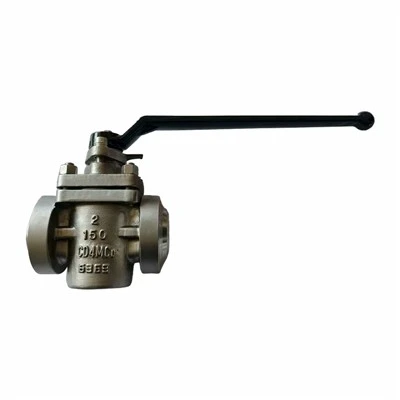
So if you’re tired of cranking stubborn gate valves, dealing with unexpected leaks, or wasting time on valve maintenance, hit us up. Let’s chat through your application, figure out if a sleeve type soft sealing plug valve is a good fit, and get you the right gear to keep your system running smooth.
Orbit / Lift Type DBB Plug Valves References:
- Valve Technical Association. (2022). Flow Control Valve Selection Guide: Gate vs Plug Valves.
- Industrial piping Maintenance Magazine. (2021). Sleeve Type Soft Sealing Plug Valves: Operation and Application Best Practices.
- American Water Works Association. (2020). Valve Selection for Municipal Water Treatment Systems.
Zhejiang Demelong Fluid Technology Co., Ltd.
As one of the most reliable sleeve type soft sealing plug valve manufacturers and suppliers in China, we’re featured by quality products and good service. Please rest assured to buy bulk durable sleeve type soft sealing plug valve from our factory. If you have any enquiry about customized service, please feel free to email us.
Address: No.7936, Sunshine Avenue, Oubei Street, Yongjia County, Wenzhou City
E-mail: dml@zjnsvalve.com
WebSite: https://www.cn-dmlv.com/
