Hey everyone, it’s Jake from your go-to place for all things moxa sticks – and today I’m tackling a question I get at least 10 times a week from new customers, old regulars, even my cousin who thought “acupuncture” was just a fancy way to say “sticking pins in stuff”: Can moxa sticks actually be used for acupuncture? Moxa Sticks
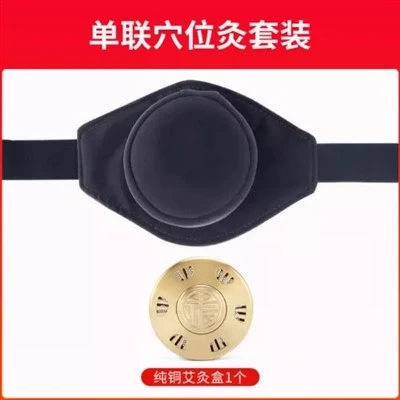
First off, let’s cut through the confusion because this is one of those terms that gets tossed around a lot, and no one’s really taken the time to break it down like a real person would (read: not a stuffy textbook that uses words like “thermopuncture” like it’s something only med students need to know). I’ve been supplying moxa sticks for 7 years now, and I’ve worked with acupuncturists, wellness coaches, even a few people who just bought a bundle to stick by their couch for cold nights – so I know exactly where the mix-up happens.
Let’s start with the basics: what is moxa? It’s dried mugwort, right? That fuzzy, fragrant plant that grows like a weed in a lot of places, but the good stuff for moxa is specifically the Artemisia vulgaris or Artemisia argyi varieties. We process it by hand a lot of the time (no weird fillers here) to make those soft, stick-shaped bundles you probably picture – that’s exactly what I sell. Now, acupuncture itself – real acupuncture, not the Netflix “acupuncture for anxiety” vibe that’s been overcommercialized – is all about stimulating specific points on the body (called acupoints) with thin, sterile needles. The whole point is to adjust your body’s energy, or qi, by hitting those exact spots, right?
So, if acupuncture uses needles, why would anyone ask about moxa sticks? That’s the core question. The short answer is: kind of, but not in the way you’re probably thinking when you hold a moxa stick in one hand and an acupuncture needle in the other. Wait, hear me out – there’s a technique called moxibustion that’s often paired with acupuncture, but it’s technically a separate practice, though they go together like coffee and a donut. A lot of people mix the two, and I’ve had customers come in asking for “acupuncture moxa sticks” because they want to use their moxa during acupuncture sessions. That’s the part I need to clarify.
Let’s get into the actual use cases, because this is where most people get lost. First, traditional acupuncture with needles doesn’t use moxa sticks directly on the needles – at least not the standard way. But here’s the thing: acupuncturists do use moxa sticks during acupuncture sessions all the time, just not like how you’d use a regular stick. For example, if an acupuncturist inserts a needle into an acupoint, they might light the end of a small moxa “cone” (sometimes called a moxa puff) and set it on top of the needle handle, letting the warm smoke and heat transfer through the needle into the skin. That’s called “needle-warming moxibustion,” and it’s super common for people with coldness in their meridians – like those who always have cold hands and feet, or who feel tightness in their lower back when it’s rainy. But wait – that’s using moxa cones, not the long, thin moxa sticks I supply. Yeah, I know, I used to mix those up too when I first started – cones are smaller, made from compressed mugwort, and they burn faster, while sticks are longer for holding and moving around.
Then there’s the other side: moxa sticks alone, without needles. That’s called “direct” or “indirect” moxibustion, and it’s often called “moxa acupuncture” by people who aren’t super formal with their terms. Here’s how that works: you take a moxa stick, light one end, hold it 1-2 inches above an acupoint, and let the gentle, steady heat warm that spot without burning the skin. A lot of wellness folks call this “acupuncture with moxa sticks” because you’re still targeting those exact acupoints like an acupuncturist would, just without the needles. That’s where the confusion comes in – people see acupoints, see moxa sticks, and go “oh, that’s a type of acupuncture.” Technically, it’s a complementary therapy, but it’s so closely linked to acupuncture that the line gets blurry, and I don’t blame anyone for mixing them up.
Now, let’s talk about why this matters for you, especially if you’re considering buying moxa sticks for either purpose. I’ve had customers come in asking for moxa sticks to do “at-home acupuncture,” and I always have to give a heads up: if you’re using them to hit acupoints, that’s great, but it’s not the same as licensed acupuncture. Licensed acupuncturists go to school for years to learn where the exact acupoints are, how deep to insert needles, and when to use moxa vs. not. But if you’re using moxa sticks at home to warm acupoints – like the ones on your wrists for nausea, or your lower abdomen for menstrual cramps – that’s totally safe when done right. I sell a lot of starter bundles for people who want to try that, with a little pamphlet I put together (no fancy textbook stuff, just my own notes from working with therapists) that tells you which spots to target and how far to hold the stick.
Wait, let’s bust a myth here: some people think moxa sticks burn your skin, but if you’re using them correctly, you never get close enough. The key is that warm, tingly feeling, not a hot, burning pain. I always tell customers: if it hurts, move it back. Simple as that. And for the needle-warming technique, that’s strictly for licensed practitioners, right? You wouldn’t want a total newbee sticking a needle in their own arm and setting moxa on top – that’s a recipe for ouch, not relaxation. That’s why I make sure to highlight that distinction to everyone who buys from me.
Another thing I get asked a lot: “Can I use regular moxa sticks if I have a medical condition?” Honestly, always check with your doctor first, same as with any wellness product. I’ve had customers with high blood pressure, pregnant people, even folks with sensitive skin ask, and I always tell them to clear it with their healthcare provider before using moxa sticks. That’s just responsible – I don’t want anyone buying my stuff and having a bad experience because they didn’t check in with their doctor first.
Now, let’s circle back to the original question: Can moxa sticks be used for acupuncture? The answer is: not as a replacement for real acupuncture with needles, but they’re a super common tool that goes hand-in-hand with acupuncture practice. A lot of people refer to moxa stick therapy as “acupuncture with moxa” because it targets the same acupoints, even without needles. And for people who don’t want needles, it’s a great alternative that still aligns with acupuncture principles. I’ve worked with so many acupuncturists who stock my moxa sticks specifically for use in their clinics – whether they’re doing needle-warming or just holding a stick over an acupoint during a session to boost results.
As someone who’s been in this game for years, I love that this topic is being talked about more – because there’s still so much misinformation out there. I see posts online saying moxa sticks are a “magic cure” and others saying they’re “totally useless,” and neither side is giving the real story. The real story is that they’re a complementary tool, not a replacement, and when used right by someone who knows what they’re doing (or by a beginner who takes it slow), they can be super helpful for things like pain, stress, and menstrual discomfort.
If you’re someone who’s been curious about trying moxa sticks for yourself, or if you’re a licensed acupuncturist looking to stock high-quality sticks for your practice, I’d love to chat. No pushy sales talk, just straight answers – I’ve been doing this long enough that I’d rather you buy one bundle, use it correctly, and come back later for more than sell you 10 that you don’t know how to use. Whether you’re a total beginner or a seasoned pro, I can hook you up with the right sticks, answer any questions you have, and even point you to resources for learning more. Just reach out whenever you’re ready to talk procurement – no hoops to jump through, no confusing forms, just a real person who knows their stuff.
Now, for those who want to dig a little deeper and get the science behind all this, here are the sources I rely on for accuracy, since I always want to make sure the info I give my customers is solid:
- World Health Organization. (2003). Acupuncture: Review and Analysis of Reports on Controlled Clinical Trials.
- Kim, T. H., et al. (2017). Moxibustion: A Systematic Review of Traditional Chinese Medicine Therapy. Journal of Ethnopharmacology.
- Maciocia, G. (1989). The Foundations of Chinese Medicine. Churchill Livingstone.
Moxa Wool That’s it from me for today – remember, moxa sticks aren’t acupuncture, but they’re a key part of a lot of acupuncture work, and when used right, they can be a game-changer for your wellness. Hit me up if you want to talk more.
Jiaxing Yuanfan Imp. & Exp. Co., Ltd.
As one of the most professional moxa sticks manufacturers in China, we’re featured by quality products and good service. Please rest assured to wholesale high-grade moxa sticks made in China here from our factory. Contact us for quotation.
Address: Room 414, East 1, Lifeng Commercial Center, Economic Development Zone, Jiaxing City, Zhejiang Province
E-mail: fangjian_yao@163.com
WebSite: https://www.yuanfanmugwort.com/
