If you’ve ever stood at a gas station pumping fuel, you’ve probably never stopped to wonder how much time and expertise goes into building a space that’s as safe as it is functional. As an explosion proof gas station supplier with 12 years in this niche, I’ve fielded this question at trade shows, from site managers planning their first retail hub, and even from small business owners who want to upgrade an old, outdated station. The short answer isn’t just a number—it’s a timeline shaped by regulations, site-specific constraints, and the specialized engineering that makes explosion proof gas stations non-negotiable for locations handling flammable fuel vapors. Let’s break it down, step by step, so you know exactly what goes into this critical build. Explosion Proof Gas Station
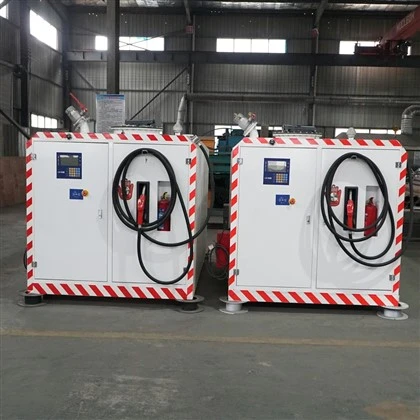
First, let’s get one thing straight: explosion proof gas stations aren’t like standard retail fuel stops. They’re designed to eliminate every possible ignition source that could spark a fire or explosion, which means every component, from wiring to storage tanks to lighting, meets strict industry standards set by bodies like the National Fire Protection Association (NFPA) and the Occupational Safety and Health Administration (OSHA). That specialization is why the build timeline can stretch longer than a standard gas station, but the extra time is non-negotiable for compliance and safety.
The first phase of any explosion proof gas station build is site assessment and permitting, and this is where most people underestimate how much time is needed. You can’t just pick a plot of land and start digging—there are dozens of regulatory hoops to jump through. For a standard-sized station (with four fuel pumps and two underground storage tanks), this phase takes between four and six weeks, sometimes longer if there are local zoning restrictions or environmental reviews.
Here’s why that timeline is important: during the site assessment, our team doesn’t just check for property lines. We conduct a vapor dispersion study, which maps how fuel vapors would spread in and around the site. This isn’t a guess—we use specialized software to model wind patterns, terrain, and the layout of surrounding structures to determine the exact “hazardous location zones” where flammable vapors could accumulate. For explosion proof gas stations, these zones are divided into Class I, Division 1 and Division 2 areas, and every piece of equipment installed in these zones has to be rated for that specific classification. Get this wrong, and the entire station is non-compliant, which is why this study takes so long. We also work with local fire marshals and environmental agencies to review plans for underground storage tanks (USTs), spill containment systems, and drainage to ensure they meet EPA requirements for fuel leakage prevention. Permitting delays are common, especially in dense urban areas where zoning laws are stricter, so we always build in a two-week buffer for this phase, no matter how smooth things seem at first.
Once permitting is approved, the next phase is groundwork and utility rough-in, which takes another three to four weeks. This is where the heavy lifting starts, but it’s also where explosion proof specifications start to come into play. Standard gas stations use regular wiring and electrical components, but for our stations, every wire has to be rated for hazardous locations. We use rigid metal conduit instead of flexible PVC for wiring runs, and all junction boxes are sealed to prevent vapors from seeping in and getting trapped next to a spark. Even the grounding system is specialized: we install dedicated grounding electrodes for every electrical component to ensure static electricity (a common ignition source for fuel vapors) is safely dissipated before it can cause harm.
During this phase, we also install the underground storage tanks, which are a critical part of the explosion proof design. We never use single-walled tanks—all our USTs are double-walled, with a interstitial space that’s monitored for leaks 24/7. This isn’t just a standard safety feature; it’s required by NFPA 30, the code for flammable and combustible liquids. We also install spill buckets under every pump dispenser, sized to hold the entire volume of fuel in a hose, and leak detection sensors that trigger an alarm if even a small amount of fuel seeps into the interstitial space of the tank. For groundwork, we also install the fuel dispenser pads, which are reinforced concrete to handle the weight of heavy trucks and equipment, and we grade the site to ensure drainage flows away from the station, not toward it—another key step to prevent vapors from pooling in low areas.
After rough-in is complete and the groundwork is cured, the third phase is equipment installation, which takes four to five weeks for a standard station, though it can take up to six weeks for larger sites with more pumps or additional features like a convenience store. This is where we bring in the explosion proof components that make the station truly safe. Let’s start with the fuel dispensers: every dispenser is equipped with overflow prevention devices, automatic shutoff nozzles, and are certified for Class I Division 1 locations. We also install explosion proof lighting throughout the hazardous zones—no standard LED bulbs here; all lighting fixtures are sealed to contain any internal sparks and prevent them from igniting surrounding vapors. Even the emergency stop (E-stop) buttons are explosion proof, housed in enclosures that can’t be compromised by fuel vapors or external impacts.
If the station includes a convenience store or customer service area, that’s another layer of planning. The hazardous zones for a gas station usually extend 3 feet around each pump, 10 feet above ground, and up to 20 feet from the edge of the fuel dispensers. So any wall or door that separates the customer area from the pump zone has to be rated to prevent vapors from entering the non-hazardous space. We use fire-rated, vapor-tight walls for these separations, and any electrical outlets or switches in the customer area are also certified for safety near fuel stations.
Once all equipment is installed, the fourth phase is testing and compliance verification, which is often the most time-consuming part—taking three to four weeks, and sometimes longer if any issues come up. This isn’t just flipping a switch to see if the lights turn on; every single system is tested to ensure it meets explosion proof standards. We do a pressure test on all fuel lines to check for leaks, run the leak detection sensors to confirm they trigger alarms when a small amount of fuel is introduced into the interstitial space, and test every electrical component to ensure there are no stray sparks or faulty connections. We also conduct a vapor dispersion test, releasing small amounts of simulated fuel vapors to confirm that our models were correct and that the hazardous zones are properly defined.
The final step in this phase is a third-party inspection by a certified explosion proof testing agency. This is non-negotiable—local authorities won’t grant a final operating permit without this inspection, which verifies that every component is correctly installed and meets NFPA, OSHA, and local fire code requirements. The inspector will check everything from the rating of a single junction box to the strength of the grounding system, and if they find anything out of compliance, we have to fix it before moving forward. That’s why we leave extra time here—we’ve had projects that hit a small issue, like a mismatched wire rating, that added a week or two to the timeline, so planning for that buffer is essential.
The final phase is pre-opening training and final handover, which takes one to two weeks. A lot of people forget that building an explosion proof gas station isn’t just about installing equipment—it’s about making sure the people operating it know how to keep it safe. Our team provides hands-on training for station managers and staff on everything from using the E-stop system to responding to a fuel spill, how to check leak detection alerts, and the basics of explosion proof maintenance. We also walk through a full safety checklist with the site team, go over warranty information for all components, and schedule follow-up inspections for the first year to ensure everything remains in compliance.
Now, let’s put all this together for a real-world example: a standard 4-pump explosion proof gas station in a suburban area. The total timeline from start to opening is roughly 16 to 19 weeks, or about four and a half months. But that’s just an average. A smaller station, with two pumps and no convenience store, can be completed in 12 to 14 weeks, while a larger urban station with 6 pumps, a convenience store, and multiple fuel grades (like diesel, regular, and premium) can take 20 to 24 weeks. And if there are delays—like a zoning dispute, supply chain issues for specialized explosion proof components, or a failed third-party inspection—that timeline can stretch even longer, which is why we always communicate potential delays early to our clients.
I’ve seen firsthand what happens when cuts are made to this timeline or when explosion proof standards are overlooked. A few years ago, we worked with a client who tried to cut corners on a station in a small town, using non-rated wiring to save money. They tried to build in 10 weeks, and when we were called in to fix their mistakes, it took us 12 weeks to rework the wiring, replace non-compliant components, and pass inspection. The client ended up spending more on repairs than they would have if they’d worked with us from the start and followed the proper timeline. That’s why we always emphasize: building an explosion proof gas station is an investment in safety, and rushing the process puts lives at risk.
What about retrofitting an existing gas station to be explosion proof? That’s another common question we get. For a retrofitting project, the timeline is a bit shorter, because you don’t have to do full groundwork or site permitting from scratch. A standard retrofit takes 8 to 12 weeks, depending on the size of the station. We replace all non-rated components with explosion proof ones, upgrade the electrical system, and add leak detection and vapor control systems. Even then, we still have to conduct all the same testing and third-party inspections to ensure compliance.
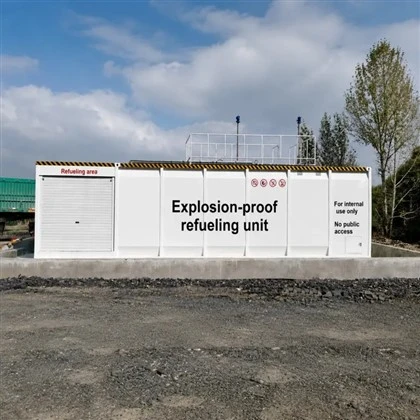
At the end of the day, the timeline for building an explosion proof gas station is about more than just construction speed—it’s about getting it right. Every day saved by cutting corners could mean a safety risk for the staff, customers, and surrounding community. Our team has built dozens of these stations across the country, and we’ve refined our process over the years to balance efficiency with strict compliance. Whether you’re planning a new station, upgrading an existing one, or just have questions about specifications, our team is here to walk you through every step. If you’re ready to start your project, reach out to us today to discuss your needs and get a detailed timeline tailored to your site.
Mobile Fuel Station References:
- National Fire Protection Association. (2021). NFPA 30: Flammable and Combustible Liquids Code. Quincy, MA: Author.
- Occupational Safety and Health Administration. (2022). Electrical Safety in the Workplace: Hazardous Locations. Washington, DC: U.S. Department of Labor.
- Underwriters Laboratories Inc. (2023). Standard for Safety for Explosion-Proof and Dust-Ignition-Proof Electrical Equipment for Use in Hazardous (Classified) Locations. Northbrook, IL: Author.
- U.S. Environmental Protection Agency. (2021). Underground Storage Tank (UST) Regulations. Washington, DC: Author.
- National Association of Fire Equipment Distributors. (2022). “Timeline and Compliance Requirements for Hazardous Location Fuel Station Construction.” NFED Journal, Vol. 45, No. 2, pp. 18-25.
Shandong Jingcai Industry and Trade Co., Ltd.
As one of the most professional explosion proof gas station manufacturers and suppliers in China, we also support customized service. With abundant experience, we warmly welcome you to wholesale high quality explosion proof gas station in stock here from our factory. Contact us for free sample.
Address: Caojiazhuang Village Industrial Park, Lingcheng Town, Qufu City, Jining City, Shandong Province.
E-mail: shandongjingcai888@gmail.com
WebSite: https://www.sdjingcaicn.com/
