Alright, let’s cut to the chase—if you’re running a plywood mill, your hot press is probably the backbone of your entire operation. I’ve been working with hot presses for plywood for over a decade now, and I can’t tell you how many times I’ve seen a mill lose money because their press craps out mid-run, produces bad panels, or breaks down when they’re rushing to fill an order. Here’s the thing: reliability isn’t just about fixing things when they break—it’s about building a press that’s tough, maintaining it right, and setting it up so it works for you, not against you. Let’s break this down, straight talk style, no fancy jargon that makes your eyes cross. Hot-press for Plywood
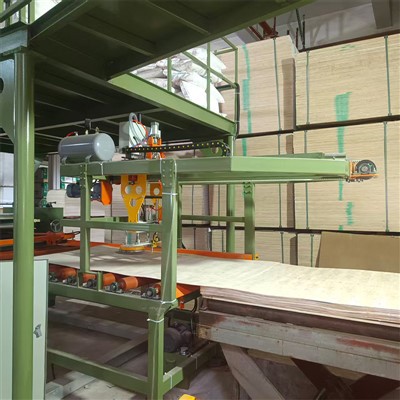
First off, let’s talk about the press itself—because if you’re buying a press, not all hot presses are created equal. A lot of guys I’ve talked to skimp on the core components just to save a buck, and that’s where the reliability dies fast. Let’s start with the platens. These are the big, flat steel plates that press the wood together, right? If your platens are made of thin, low-grade steel, they’ll warp over time. Warped platens mean uneven pressure, which means plywood panels with soft spots or gaps—defects that get rejected, waste wood, and waste time. I’ve seen mills buy cheap platens that warp in 2 years, when a good set will last 10+ with proper care. The key here is going for heat-treated, heavy-duty alloy steel platens, not regular carbon steel. Also, make sure the platen surface is precision-machined to within 0.001 inches of flatness—small, I know, but that tiny difference makes all the pressure even, no more weak points. And if your press is a multi-daylight one (meaning it has gaps for multiple panels), each platen needs to match the others in thickness. Mismatched platens throw off the whole pressure balance.
Next, the hydraulic system—this is the heart of the press, no question. If your hydraulics are leaky, underpowered, or have cheap pumps, your press won’t get the consistent pressure it needs, and parts will wear out way too fast. I’ve seen presses with hydraulic lines made from cheap rubber that crack after a year because they’re exposed to heat and wood dust. Go for braided steel hydraulic hoses, not rubber—they’re a bit pricier, but they don’t blow or leak. Also, the pump: don’t get a tiny, under-sized pump just because it fits. You need a pump that can maintain consistent pressure even when you’re pressing a full load of thick plywood. Variable-speed pumps are a game-changer here—they adjust the pressure and power based on what you’re pressing, so you don’t waste energy and you put less strain on the system when you don’t need full force. And let’s not forget the hydraulic fluid. A lot of mills change their fluid only when it looks dirty, but that’s a mistake. Heat and debris from wood get into the fluid, turning it into sludge that wears out seals and valves. Change the fluid every 6 months, use a high-temperature, anti-wear hydraulic fluid—this is not the place to cut corners, trust me.
Now, let’s get into setup and installation—even the best press won’t be reliable if you stick it in a crummy spot or don’t level it right. I remember a mill that installed their press on a concrete slab that wasn’t properly cured. After 6 months, the slab shifted, the press was off-level, and the platen alignment was messed up. They were producing 20% defective panels until they ripped out the old slab and poured a reinforced one. When you set up a hot press, the slab needs to be reinforced, leveled to within 0.002 inches per foot, and have proper drainage—because wood dust and moisture build up on the floor, and if water gets under the press, it can cause rust and electrical issues. Also, the alignment of the guide rods (those long metal rods that keep the platens moving straight) is make-or-break. If the guide rods are misaligned, the platens will twist when they close, putting uneven pressure on the edges of the panels and wearing out the rod bushings way faster. You should check guide rod alignment every 3 months with a dial indicator, not just eyeball it—eyeballing is for beginners, and beginners end up with broken parts.
Okay, now moving to maintenance—this is where 80% of reliability comes from, honestly. Most presses break down because no one’s doing regular checks, not because the parts are garbage. Let’s start with the daily stuff. Every morning before you start running, take 10 minutes to check for leaks in the hydraulics, wipe down the platens with a mild cleaner (no harsh chemicals that scratch them), and check the guide rods for wear. If you see a small leak in a hydraulic line, fix it that day—don’t wait till it’s a big leak that drains the whole system. Then weekly: change the hydraulic filters, check the pressure gauges to make sure they’re accurate, and inspect the platen heating elements. Wait, heating elements! I almost forgot those. If your press uses steam or electricity to heat the platens, bad heating elements mean inconsistent temperature—plywood needs a steady temperature (usually 300-350°F, depending on the wood and adhesive) to cure right. If one element is out, part of the platen is cold, so the adhesive doesn’t set, leading to delamination. Check heating elements weekly, and replace any that are damaged, not when they fail completely. You don’t want to stop the whole line because of a dead element.
Then there’s the quarterly and annual maintenance. Quarterly, take the guide rods out, clean them, and re-lubricate them with high-temperature grease—don’t use regular grease, it melts and turns to gunk. Inspect the platen bushings too, because worn bushings make the platens wobble. Annually, do a full inspection of all the pressure valves, calibrate the pressure gauges and temperature sensors—this is super important. Sensors get dirty over time, so they read wrong, which means you’re either overheating (wasting energy, damaging wood) or underheating (bad panels). Calibrating these costs a few hundred bucks, but it prevents thousands in wasted wood and downtime.
Wait, also—what about operator training? I’ve been to mills where the operators are just guys off the street who got told “push this button to start.” That’s a recipe for disaster. If an operator slams the platens shut too hard when they’re loading a panel, that bends platen edges or breaks guide rods. If they adjust the pressure wrong for a thick vs thin panel, that ruins a whole stack. Make sure your operators know how to check pressure, adjust temperature, spot small problems before they get big, and follow the exact loading procedure. I always tell mills to do a 1-day training for new operators, and a refresh every 6 months. It’s not a cost—it’s an investment in not having your press down for 3 days because someone cranked the pressure too high.
Now, let’s talk about common issues you can prevent that most people miss. For example, wood dust is the enemy of every hot press. Dust gets into the guide rods, into the hydraulic system, into the heating lines. So you need a good dust collection system right above the press. No dust means less wear on parts, less gunk in the hydraulics, and fire safety too—wood dust is flammable, that’s a whole other headache. Another thing: panel preparation. If you’re feeding rough, uneven wood into the press, that puts uneven stress on the platens. Make sure your veneers are sanded to the right thickness, straight, no gaps between layers. I know it’s tempting to skip sanding to save time, but that leads to bad panels and press damage.
Wait, let’s get real—what happens if your press does break down? Even with all the maintenance, sometimes parts wear out. That’s why you should have a reliable supplier for spare parts, not some random guy on Alibaba selling cheap knock-offs. Knock-off parts for hot presses look the same, but they’re made from inferior metal, so they break in half the time. When you need a replacement platen or a hydraulic pump, get OEM-grade parts from someone who actually knows hot presses for plywood, not a general machinery shop. That way, when a part does fail, you can get it fast, and it lasts longer, so you’re not down for weeks.
Let me give you a quick example. A customer I worked with last year was using a cheap hot press from a no-name brand. They were having breakdowns every 2 weeks, 10% defective panels, and downtime cost them like $15k a month. We swapped their platens to heavy-duty alloy steel, upgraded their hydraulic system to variable-speed pumps, did a full alignment and maintenance overhaul, and trained their operators. Now their press goes 6 months between major breakdowns, defect rate dropped to 2%, and they saved almost $100k in 6 months. That’s the kind of difference getting the reliability right makes.
Look, I’m not here to sell you a new press just because you’re having problems—though if your press is older than 15 years and falling apart, it might be time to upgrade. But 9 out of 10 times, improving reliability is about making small, smart changes to components, setup, maintenance, and training, not throwing money at a brand new machine. The key is consistency—consistent pressure, consistent temperature, consistent maintenance, consistent operator training. If you let any of those slip, your press will let you down.
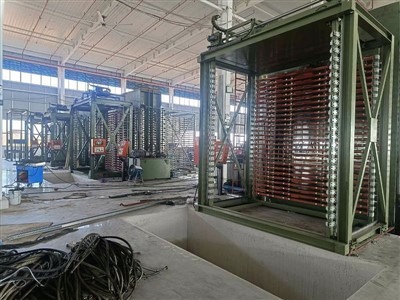
If you’re dealing with a hot press that’s causing you headaches—constant breakdowns, bad plywood, wasting time and money—let’s talk. I’ve been in this game long enough to know exactly what fixes for hot presses for plywood work, what’s a waste of money, and how to tailor a solution to your mill’s specific needs. I don’t do one-size-fits-all garbage, because every mill is different—you’re running different wood types, different panel sizes, different shifts, so your press needs to work for you. Reach out, and we can chat through what’s going on, no pressure, no sales pitch that’s full of fluff.
Gluing Machine Reference: Hot Press Design and Operation for Plywood Manufacturing, Forest Products Society, 2019. Maintenance Best Practices for Woodworking Machinery, American Wood Council, 2021. Hydraulic System Reliability in Industrial Presses, Industrial Maintenance Magazine, 2020.
Jiashan Changle Machinery Manufacturing Co., Ltd.
We’re well-known as one of the leading hot-press for plywood manufacturers and suppliers in China, also support customized service. Please feel free to buy advanced hot-press for plywood for sale here from our factory. Quality products and punctual delivery are available.
Address: Building 12, Zone A, Wanyang Innovation City, No. 23 Yucao South Road, Ganyao Town, Jiashan County, Jiaxing City, Zhejiang Province
E-mail: Changle84615620@163.com
WebSite: https://www.changlejx.com/
