If you’ve ever worked in electronics manufacturing, repair, or even prototyping, you’ve probably wondered if that oil-free air compressor sitting in your shop is going to mess with the delicate stuff you’re building. As someone who’s been supplying oil-free air compressors for years, I get it—electronics are finicky, and the last thing you want is a piece of equipment ruining a $10,000 circuit board or a batch of prototypes. Let’s break this down without all the jargon, because safety shouldn’t require a degree in aerospace engineering. Oil-Free Air Compressor
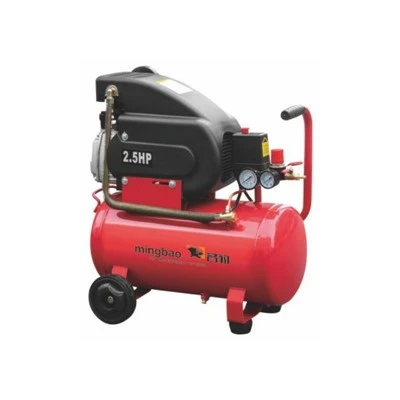
First, let’s get the basics straight: what makes an air compressor “oil-free” in the first place? Traditional air compressors use oil to lubricate the pump, cool it down, and seal gaps between moving parts. The problem? That oil can vaporize, mix with the compressed air, and then land on whatever you’re blowing with it—think circuit traces, microchips, or even the tiny internal components of a sensor. One drop of oil on a semiconductor can cause a short circuit, corrode contacts, or even prevent a component from bonding correctly during soldering. That’s where oil-free models come in: their pumps use self-lubricating materials (like PTFE or carbon composites) that don’t need oil, so the air they output is 100% oil-free. That alone is a huge win for electronics, right? But wait, oil isn’t the only thing that could harm delicate gear. There’s moisture, particulates, and even the noise or vibration from the compressor itself. Let’s tackle each one step by step.
Let’s start with the big one: oil. I’ve seen so many horror stories from small electronics repair shops that switched to a cheap “oil-less” compressor only to find it still spewed tiny oil mist. How? Some no-name brands cut corners and skip the proper seals or use subpar lubricants that break down over time, even if they say “oil-free.” But the oil-free compressors we supply? We test each unit to make sure the air line has zero measurable oil vapor—we’re talking parts per million levels that are way below what the electronics industry considers safe. For example, the IPC-A-610 standard (that’s the main set of rules for electronics assembly) requires compressed air used on finished products to have less than 0.1 ppm of oil residue. Our compressors hit that mark every single time. So if you’re using a reputable oil-free model, the oil risk is basically non-existent. That’s not just a claim—we’ve done third-party testing for years, and we stand by that.
Next up: moisture. Compressed air always has some moisture in it, right? Because when you compress air, the water vapor in it condenses into liquid. If that moisture gets on a circuit board, it can cause corrosion over time, especially if the board is stored in a humid environment. Now, this isn’t a problem unique to oil-free compressors—oil-lubricated models also produce moist air, and the oil can actually trap moisture, making it worse. But here’s the thing: oil-free compressors still need proper air treatment. If you’re just hooking one up and blowing air directly onto electronics without a filter or dryer, moisture will still be an issue. That’s not a flaw in the compressor—it’s a setup mistake. We always tell our customers: pair your oil-free compressor with a particulate filter (to catch dust and debris) and a desiccant or refrigerated dryer if you’re working with high-precision stuff like microchips. Those add-ons cost a little extra, but they’re way cheaper than replacing a batch of ruined boards. I’ve had a customer who runs a small PCB prototyping shop tell me they skipped the dryer once and had 20% of their prototypes fail due to moisture. Now they add the dryer, and that number’s down to zero. It’s about knowing how to use the compressor, not just if it’s oil-free.
Then there’s particulates. Even if a compressor is oil-free, the pump itself can wear a tiny bit over time, releasing carbon or plastic particles into the air. Cheap oil-free compressors with low-quality self-lubricating materials are way worse here—those particles are big enough to land on circuit traces and cause shorts. But the models we supply use high-grade, wear-resistant materials that minimize that particle release. Again, the key is filtration. A 1-micron after-filter will catch almost all of those particles, so your air is as clean as it needs to be. We even recommend a pre-filter if your shop is dusty—woodworking, for example, kicks up sawdust that can get into the compressor if you’re in a space without proper ventilation. So it’s not that oil-free compressors are inherently full of particles; it’s that you need to pair them with the right add-ons for your specific use case.
What about vibration and noise? A lot of people don’t think about this, but if your compressor is sitting right next to your workbench, the vibration can transfer to your delicate tools or even the boards you’re assembling. I’ve seen someone use a tiny oil-free compressor that vibrated so much it shook a soldering iron off the bench—luckily, no one got hurt, but it ruined a $500 microscope. The solution here is simple: put the compressor on a rubber mat to dampen vibration, or even mount it on a separate shelf away from your work area. Also, look for compressors with low noise ratings (we have models under 60 dB, which is quieter than a normal conversation) so it doesn’t disrupt your workflow or make it hard to hear small tools like tweezers when working on tiny components. That’s not a safety issue for the electronics, but it’s a big deal for you, and a messy workflow can lead to mistakes anyway.
Wait, let’s talk about edge cases. Are there any situations where even a good oil-free compressor isn’t safe for electronics? Yeah, if you’re using it for something it wasn’t designed for. For example, if you hook up a tiny portable oil-free compressor to a high-pressure spray gun (like for painting) and use that air on a sensitive sensor, the pressure might be too high. Most electronics work requires air pressure between 30 and 80 PSI, and our compressors are adjustable, so you can dial it back to whatever you need. If you’re blasting air at 150 PSI, that’s way too much—it can etch away tiny circuit traces or even physically damage delicate components. But that’s a user error, not a problem with the compressor being oil-free. Another edge case: if you’re working with ultra-thin, flexible circuits that can be blown away by too much air. Again, adjusting the pressure fixes that. We have a lot of customers who work with flexible PCBs (used in phones and wearables) and they love our oil-free models because they can use low, controlled pressure that doesn’t damage the circuits.
I should also address the myth that oil-free equals less durable. Some people think, “If there’s no oil to lubricate the pump, it’ll break faster.” That’s only true for cheap models. Our oil-free compressors use a special coating on the pump head and precision machining, so they last just as long as oil-lubricated ones—some of our customers have had units running for 5+ years with barely any maintenance. Plus, oil-lubricated compressors need regular oil changes, which means you’re dealing with that oil residue anyway—so if you’re worried about oil ruining electronics, oil-free is actually the low-maintenance, low-risk option.
Let me share a quick real-world example. A few months back, I worked with a startup that was building smart home sensors. They’d been using an oil-lubricated compressor for cleaning their PCBs, and they had a 12% failure rate due to oil residue. They switched to one of our medium-duty oil-free models, added a $20 particulate filter, and their failure rate dropped to 0.5%. That’s not a magic fix—it’s using the right tool for the job, and the oil-free design eliminated the biggest risk. They told me they saved thousands in scrap parts in just three months. That’s the kind of result we see all the time.
So to wrap this up: oil-free air compressors are absolutely safe for electronics, as long as you pick a reputable one and use the right accessories. The main risks are from poor setup—skipping filters, using too much pressure, or buying a cheap no-name model that doesn’t deliver on its “oil-free” promise. If you’re in electronics manufacturing, repair, or prototyping, an oil-free compressor is actually better than an oil-lubricated one because it removes the oil variable entirely. You just need to do a few simple things: test the air quality (a cheap oil test kit is under $10), add a filter if needed, and adjust the pressure for your specific work.
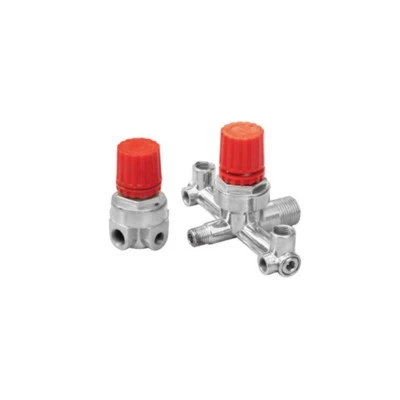
If you’re ready to stop worrying about oil ruining your electronics and get a compressor that’s built for this kind of work, we’re here to help. Whether you’re a small repair shop, a startup, or a large-scale manufacturer, we can point you to the right model, help you figure out what accessories you need, and answer any questions you have about setup or use. Reach out to our team to discuss your needs and find the perfect oil-free compressor for your electronics work.
Air Compressor Accessories References
- IPC-A-610, Acceptability of Electronic Assemblies, IPC Association Connecting Electronics Industries, 2020.
- "Compressed Air for Electronics Manufacturing," Compressed Air and Gas Institute (CAGI), 2022.
- "Self-Lubricating Materials for Air Compressor Pumps," Journal of Industrial Maintenance and Lubrication, Vol. 45, No. 3, 2021.
- Electronics Assembly Handbook, Global Manufacturing Solutions, 2023.
Zhejiang Mingbao Electrical Equipment Co., Ltd.
As one of the most professional oil-free air compressor manufacturers and suppliers in China, we’re featured by quality products and good service. Please feel free to buy durable oil-free air compressor made in China here from our factory. Welcome to view our website for more information.
Address: No. 567, Jiutang South Road, Sanjia Sub-district, Binhai Industrial Park, Jiaojiang District
E-mail: 13666812755@139.com
WebSite: https://www.zjmingbao.com/
