Hey there! Ever grabbed a plastic handle on a grocery bag only to have it snap right in your hand mid-walk? Or noticed the handle on your trusty cooler starting to crack after a few beach trips? If you’ve ever wondered, “Do plastic handles wear out quickly?” — you’re not alone. As a plastic handle supplier, I get this question all the time from customers, big and small. It’s not just a random curiosity either; plastic handles are everywhere — on shopping bags, coolers, toolboxes, kitchenware, even luggage — and when they fail, it’s not just annoying. Sometimes it’s a hassle, and other times, it’s a safety thing (like a wrench handle snapping while you’re fixing something). Today, let’s break this down like we talk to clients over a quick coffee — no stuffy jargon, just real, science-backed answers. Plastic Handle
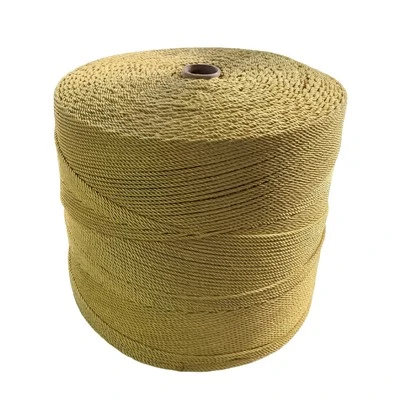
First off, let’s get one thing straight: “plastic” isn’t a single material. That’s probably the biggest mistake people make when they blame “plastic handles” for breaking. I’ve had clients come to me saying, “All plastic handles are garbage, yours break too!” and I have to pull up the facts: a cheap, thin polyethylene (PE) handle for a produce bag is way different from a reinforced polypropylene (PP) handle on a heavy-duty toolbox. Let’s dive into the main plastics used for handles, because that’s where the wear story starts.
Most common plastic handles fall into two camps: low-density polyethylene (LDPE) or high-density polyethylene (HDPE) for lightweight stuff like grocery bags and small retail packaging, and polypropylene (PP) for heavier loads, kitchen utensils, and industrial tools. LDPE is flexible, cheap, and easy to mold — but it’s not super durable. HDPE is a step up, stiffer but still bendable. PP is even stiffer, more heat-resistant, and way stronger under tension. So if someone’s LDPE handle breaks after 10 uses, that’s not a “plastic problem” — that’s the material being used for a job it was never designed for.
Now, what makes plastic handles wear out in the first place? It’s not just “getting old.” Let’s list the real culprits, the ones I see every day as a supplier.
First up, fatigue from repeated use. Think about a shopping bag handle: every time you lift it, it’s under tension, and every time you set it down, that tension releases. This constant bending and stretching creates micro-cracks in the plastic over time. It’s called cyclic loading, and plastic is way more prone to this than metal, for example. I’ve tested some cheap LDPE handles last only a few hundred lifts before those micro-cracks turn into a full break. But a good PP handle? We tested a batch of our heavy-duty cooler handles — they survived 10,000 lifts of 50 pounds each without a single crack. That’s a huge difference. The material matters here, but also the design: thicker handles with rounded edges (instead of sharp corners) distribute the tension more evenly, so those micro-cracks don’t start as easily.
Next, environmental factors. Plastic handles don’t exist in a vacuum. If you leave a plastic tool handle in your garage through a Michigan winter, that cold makes plastic brittle — especially HDPE and PP. I’ve had a customer call last January, panicking because their toolbox handle snapped overnight when they opened it. Turns out, they left it outside, and temps dropped to 10°F. Cold temperatures make the polymer chains in plastic stop moving, so they snap instead of bending. On the flip side, extreme heat is bad too. Leave a plastic handle in a car in July, and the heat softens it, making it stretchy and weak. Sunlight is another big one — UV rays break down plastic over time, a process called photodegradation. That’s why outdoor furniture handles fade and get crumbly after a year. We add UV stabilizers to our outdoor plastic handles, which helps, but no additive is perfect. If you’re leaving a handle out in direct sun 24/7, it’s gonna wear faster.
Then there’s chemical exposure. If your plastic handle is on a container for cleaning supplies, gasoline, or even some food products, those chemicals can eat away at the plastic. For example, gasoline is super harsh on PE — it can make it swell and lose strength over time. I had a client who used our HDPE handles for small gas cans; after a few months, the handles started to crack because the gasoline vapor was breaking down the plastic. That’s why we make handles for chemical containers from a different grade of PP, one that’s resistant to hydrocarbon exposure. It’s not that all plastic handles are bad; it’s that using the wrong material for the chemical environment is a recipe for wear.
Wait, but what about “quality” vs. cheap? I see a lot of no-name plastic handles on Amazon or at dollar stores that break fast. Why is that? A big part is wall thickness. A lot of cheap handles are just thin sheets of plastic stamped into shape — maybe a millimeter thick. Our heavy-duty handles are 3mm thick, sometimes more, depending on the load. Thicker plastic can handle way more tension before developing cracks. Also, the molding process: if a handle is molded with air bubbles or uneven cooling, those weak spots break way faster. I’ve had people send me broken handles from overseas suppliers, and half the time, there’s a tiny bubble right where the handle connects to the main product — that’s where it snapped. We do 100% visual checks and random load tests on every batch, so we avoid those weak spots.
Now, let’s talk about what “quick wear” actually means. For a lightweight grocery bag handle, is it wearing out quickly if it breaks after 2 uses? Well, the average grocery bag is supposed to hold about 20-30 pounds. If you’re shoving 50 pounds of dog food into it, yeah, that’s gonna break fast. But a good quality LDPE handle for grocery stores should hold up to 50 pounds for a few uses. If it breaks the first time you carry it, that’s a bad handle. For a toolbox handle, which is supposed to hold 50-100 pounds, quick wear would be breaking after a month of use — but our PP handles can last years with regular use, as long as you’re not dragging the toolbox by the handle over concrete every time.
I should also mention wear and tear from misuse. A plastic handle isn’t a tow rope. I’ve had customers use our cooler handles to pull their kid’s bike, or drag a toolbox full of bricks by the handle — that’s just not what it’s for. We print the weight limits right on the product, but people don’t always read that. Misuse is the number one reason I see handles break, way more than the material itself.
So, can we prevent plastic handles from wearing out too quickly? From my experience as a supplier, here are a few tips that go a long way. First, pick the right material for the job. If it’s for a heavy-duty tool, don’t go for LDPE — go for reinforced PP. If it’s for a product that will be outside, make sure the handle has UV stabilizers. Second, check the design: thicker handles, rounded connections, and reinforced joints are way more durable. Third, avoid extreme temperatures and chemicals as much as possible — don’t leave plastic handles in the sun or cold for weeks on end, and don’t store chemical containers where vapors can eat at the handle. Fourth, don’t misuse them — treat a plastic handle like what it is: a convenient way to carry your product, not a heavy-duty lifting strap.
Now, let’s get real — no plastic handle is going to last forever. Even the best ones will wear out eventually from fatigue, UV rays, or misuse. But the idea that all plastic handles wear out quickly? That’s a myth. It’s about material selection, quality manufacturing, and using them as intended. I’ve had clients use our heavy-duty handles on industrial carts for 5 years, and they’re still going strong. On the other hand, I’ve seen cheap handles break before they even leave the warehouse.
At the end of the day, if you’re tired of plastic handles wearing out too fast, or you’re looking for handles that work for your specific product — whether it’s shopping bags, coolers, tools, or something else — I’m here to help. We work with small businesses and big corporations alike, we can help you pick the right material, design a handle that fits your product, and make sure it’s durable enough for your use case. No generic, one-size-fits-all junk here — we test every batch to make sure they stand up to whatever you throw at them.
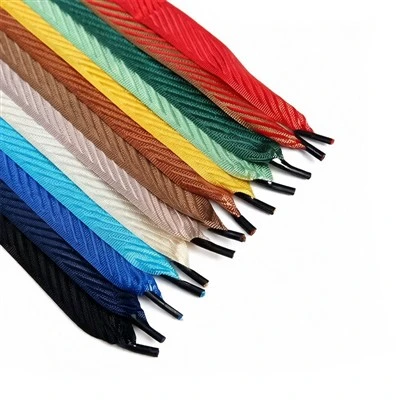
If you’re looking to upgrade your plastic handles or just chat about what works for your needs, get in touch. We can send sample handles, talk through your load requirements, and make sure you find a solution that doesn’t break after a few uses. Don’t waste money on cheap handles that quit on you — let’s build something that lasts.
Plastic Handle References:
- Plastics Europe. (2022). Fatigue Behavior of Polymeric Handles for Consumer Products.
- American Society for Testing and Materials (ASTM). (2021). Standard Test Methods for Tensile Fatigue of Thermoplastics.
- Journal of Applied Polymer Science. (2020). Effects of Environmental Factors on the Durability of Polypropylene Handles.
- Center for the Environmental Implications of Nanotechnology (CEINT). (2019). UV Stabilization in Polyethylene for Outdoor Applications.
Tengzhou Fujin Plastic Products Co., Ltd.
As one of the most professional plastic handle manufacturers and suppliers in China, we also support customized service. With abundant experience, we warmly welcome you to buy bulk plastic handle made in China here and get pricelist from our factory. For price consultation, contact us.
Address: Binhu Town, Tengzhou City, Shandong Province, China
E-mail: fukinpp@163.com
WebSite: https://www.tzfujin.com/
