Hey everyone, and welcome back to my corner of the web where we cut through the plastic industry jargon to talk about stuff that actually matters—especially if you’re in the market for custom functional PVC film. I get it, when you’re sourcing materials for your projects, transparency is probably top of your list, right? Like, I’ve had more clients hit me up and ask, “What’s the real transparency of your custom functional PVC film?” than any other question lately. So today, I’m gonna break this down like we’re hanging out in my warehouse (minus the forklift noise, promise) and give you the straight scoop—no corporate fluff, no fancy graphs that make your eyes cross. Custom Functional PVC Film
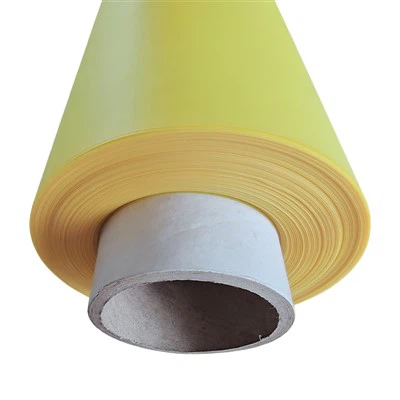
First off, let’s get one thing straight: transparency in PVC film isn’t just a “yes or no” answer. It’s way more nuanced than that, especially when we’re talking about functional, custom stuff. I’ve been supplying custom PVC film for over 10 years now, and I can tell you—if you think all clear PVC is the same, you’re dead wrong. Let’s start with the basics, but keep it simple. PVC (polyvinyl chloride) itself is a polymer that can be formulated to be super clear, cloudy, or anything in between. But when we add functional properties—like UV resistance, anti-fog, heat shrink, or even anti-microbial stuff—that transparency changes, and that’s where the custom part gets interesting.
Wait, let’s back up a sec. What do we even mean by “transparency” here? For the uninitiated, transparency is usually measured by how much light passes through a material, right? We call that “light transmittance,” and it’s calculated as a percentage—so 100% would be totally clear, nothing blocks light. But in the real world, most custom functional PVC films are between 60% and 95% light transmittance, depending on what you need them for. But here’s the kicker: that number isn’t the whole story. Clarity is different too—like, you could have two films both at 90% transmittance, but one will let you read fine print through it and the other will look all hazy, like looking through a frosted window. That’s called “haze” value, and it’s super important for custom applications where visibility matters.
Let’s talk about the factors that affect transparency, because that’s what clients actually want to know. First, the base resin we use. I only source high-grade PVC resin, not the cheap stuff that gets cloudy after a month. Cheap resin has more impurities, right? Those tiny little particles that scatter light, making the film hazy. When we’re making custom film, we can choose resin grades that are engineered for clarity—like medical-grade PVC, which is super clear because it’s made to be used in things like IV bags where you need to see fluid levels. But if you need a functional film that’s, say, anti-UV for a greenhouse cover, we might tweak the resin a little to add UV stabilizers, and that can knock the light transmittance down a couple percent, but not enough to matter for most applications.
Next, the functional additives. This is where the custom part really shines, and where transparency can shift. Let’s say a client needs anti-fog PVC film for food packaging—add anti-fog agents, and that’s a common one, but wait: some anti-fog additives are designed to spread out on the surface and prevent condensation, and in small doses, they barely affect clarity. But if you use too much, you get that greasy, hazy look, like when you leave dish soap on a glass. I’ve had to troubleshoot that more than once—client calls me panicking, says the anti-fog film we made is cloudy, and it turns out their formula called for 2x the anti-fog agent we usually use, so we had to adjust. No big deal, that’s what custom is for. Another example: if you need flame-retardant PVC film for electrical covers, the flame retardants we add don’t usually mess with transparency much, but if it’s a super high-grade flame retardant, we might have to adjust the resin blend to keep it clear.
Then there’s the film’s thickness. Duh, right? Thicker film blocks more light. A 0.1mm custom PVC film is way clearer than a 0.5mm one, same exact formula. I always tell clients to be upfront about how thick they need their film, because if they order a thick film thinking it’ll be as clear as a thin one, they’re gonna be disappointed. But here’s the good news: we can engineer the resin to compensate for thickness a little. Like, if you need a 0.4mm film with 90% transmittance (which is pretty thick for clear film), we can use a special high-clarity resin blend that keeps it from getting hazy. I did a job last year for a medical device company that needed a 0.6mm clear PVC film for diagnostic test strips—most suppliers would have given them a hazy mess, but we tweaked the resin and the additives, and hit 88% transmittance, which is perfect for reading the test lines.
Wait, let’s also talk about common misconceptions. A lot of people think “functional” means sacrificing transparency, but that’s not true. Yeah, some functional films are intentionally opaque—like black PVC for electrical wiring, or colored film for signage—but if you need a functional clear film, we can do that. I’ve made custom PVC films with anti-bacterial properties, heat sealing, UV resistance, all while keeping light transmittance above 90%. The key is knowing what the client’s end use is. If you need it for food packaging, you need FDA-compliant additives that don’t mess with clarity. If you need it for a window decal, you need film that’s clear enough so the window shows through, but durable enough to stick.
Let me give you some real examples from my work, because that’s what makes this stuff real. Last quarter, we had a client who makes greenhouse liners. They needed PVC film that was UV-resistant, tear-resistant, and super clear so plants got maximum sunlight. They thought adding UV stabilizers would make it cloudy, but we worked with their specs, used a high-clarity resin, optimized the UV additive dosage, and ended up with a film that’s 92% light transmittance—almost as clear as regular clear PVC, but it won’t yellow or break down after 2 years in the sun. They were blown away, because another supplier told them they’d have to settle for 85% transmittance. Another example: a startup that makes anti-fog plastic food containers. They wanted the container lid to be clear so you can see the food, but also anti-fog so condensation doesn’t make the inside all foggy. We made a custom PVC film lid with a 91% transmittance, and the anti-fog agent was so well-blended you can barely tell it’s there—no hazing, no weird aftertaste, works perfectly for their needs.
Now, let’s get into how we test transparency, because that’s important if you’re gonna source custom film. I don’t just guess at numbers—we use a standard light transmittance meter, same as the industry. We follow ASTM D1003, which is the test method for haze and transmittance of transparent plastics. So when I tell a client our film is 90% transmittance, that’s not a made-up number—that’s a lab-tested value. Haze is usually under 2% for our high-clarity custom films, which is super low—most people can’t even notice a haze that small. If a client needs a lower haze, like for high-end packaging or display applications, we can tweak the manufacturing process (like reducing dust during production, or improving the resin filtering) to get haze down to 1% or even lower.
Wait, what about custom colors? A lot of people ask, “If I color my PVC film, how does that affect transparency?” Well, if you use transparent pigments, you can still have semi-transparent film. Like, light blue PVC film with 80% transmittance is common for signage, or red tinted PVC for window treatments. But if you use opaque pigments, obviously it’s not clear at all. The great thing about being a custom supplier is that you can pick the exact transparency and color combo you need. I had a client who needed a light purple PVC film for cosmetic packaging—they wanted it semi-transparent so you could see the powder inside, but not totally clear. We adjusted the pigment amount, and ended up with 75% transmittance, exactly what they needed.
Now, let’s talk about what matters most for your specific application, because transparency isn’t a one-size-fits-all metric. If you’re making a shower curtain liner, you might not need 90% transmittance—80% is fine, because it’s more about being durable and water-resistant. But if you’re making a blister pack for pharmaceuticals, you need as much clarity as possible so pharmacists can read the dosage on the pills. If you’re making a solar panel backsheet, you need a film that’s clear enough to allow light through to the solar cells, but also UV-resistant and weatherproof. The point is, when you’re working with a custom supplier, you can specify exactly what transparency level you need, and we can adjust the formulation to hit that.
I should also mention that over time, PVC film can lose some clarity, right? Like, if it’s exposed to sunlight or chemicals, it might yellow a little, which affects transparency. But that’s where the functional additives come in—like UV stabilizers prevent yellowing, so your clear film stays clear longer. I had a client a while back who bought cheap clear PVC film for a trade show display, and after just one day in the sun, it was all yellow and hazy. We made them a custom film with UV inhibitors, and their display stayed clear for the entire 2-week show, no problem. That’s the value of custom functional film—we don’t just make it clear when it leaves the factory, we make it stay clear for the life of your project.
Let me wrap this up, because I know I’ve been rambling a bit, but that’s just how I talk. The big takeaway here is: transparency of custom functional PVC film isn’t a fixed number—it’s something we engineer based on your exact needs. It depends on the resin, the additives, thickness, and even how we process the film. You don’t have to choose between functionality and clarity anymore—we can make film that does both.
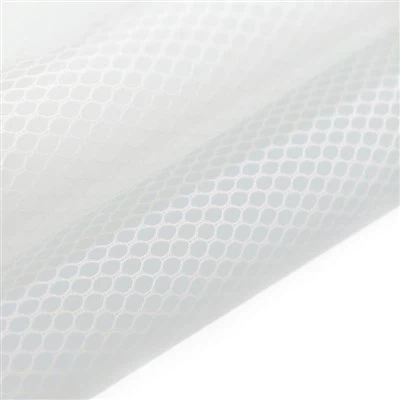
If you’re working on a project and need custom PVC film, whether it’s for packaging, medical devices, agriculture, signage, whatever—hit me up. I don’t do pushy sales stuff, I just tell you what will work, what won’t, and give you a fair price. No hidden fees, no weird fine print, just real talk about custom PVC film transparency. Let’s figure out what you need, because I’ve probably done something similar before, or we can tweak the formula to make it perfect for you.
Antistatic PVC References:
- ASTM International. (2021). Standard Test Method for Haze and Luminous Transmittance of Transparent Plastics (ASTM D1003-21). West Conshohocken, PA: ASTM International.
- Wypych, G. (2000). PVC Formulation, Properties, and Applications. ChemTec Publishing.
- Marsh, K. (2018). Functional Polymeric Films for Packaging. Woodhead Publishing.
Nantong Dahe Composite New Material Technology Co., Ltd.
Address: South Side of Pinghai Highway, Pinghe Village, Dongshe Town, Tongzhou District, Nantong City, Jiangsu Province, China
E-mail: nantongdahe@outlook.com
WebSite: https://www.cndahetech.com/
