As someone who’s spent the last decade selling cordless angle grinders to DIYers and small construction crews alike, I get the split opinion on these tools. I’ve heard it all: “They don’t have enough power for a real project,” “They die halfway through cutting a 2×4,” “Corded is the only way to go.” But I’ve also seen first-hand what happens when a homeowner’s old corded grinder’s cord frays mid-tile job, or when a weekend warrior’s workshop is in a garage with a finicky outlet that dies every time they run a power tool. Let’s cut through the hype (pun very intended) and talk about whether a cordless angle grinder actually works for your DIY projects—no sales pitch fluff, just real-world experience from someone who sells these things for a living, and has tested every model I stock on my own backyard projects too. Cordless Angle Grinder
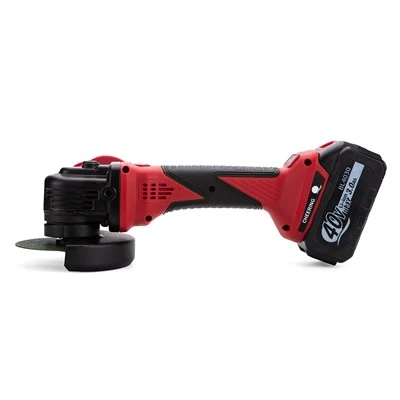
First, let’s define what a “DIY project” actually is, because that’s where most of the confusion lives. A DIYer isn’t a full-time metal fabricator cranking out 50 custom patio railings a week. We’re the people who install a backyard fence, cut down rusted metal posts left by the previous owner, refinish a cast-iron fireplace, or grind down uneven mortar lines in an old bathroom. Our projects are usually spaced out, not back-to-back, and we don’t have a crew of five passing tools around. Corded angle grinders have been the standard forever, but their biggest downside—tethering you to an outlet or generator—has been a non-starter for most of my customers’ projects, which don’t live in a dedicated, power-rich workshop.
Let’s talk power first, because that’s the number one knock against cordless grinders. Ten years ago, this was a fair complaint. Early lithium-ion batteries had half the voltage of a good corded grinder, and they’d die after 10 minutes of continuous cutting. But if you look at the models I stock now—all 18V, 20V MAX, and even 60V lithium-ion options—those numbers have shifted hard. A quality cordless angle grinder can now deliver power that matches entry-level corded models for short bursts, and more than enough for the average DIY task. Last month, a customer came in upset that his $50 corded grinder died while cutting through a 1/4-inch steel rebar for his fence; I lent him a mid-tier cordless model, and he got both sides of the rebar cut in under 45 seconds, no stalling, no slowdown. The key here is matching the grinder’s power to the job, not comparing it to a full-time pro corded grinder that costs 3x what a decent cordless model does.
Battery life is the next big debate, and this one boils down to how you use your tool. For small, 10 to 15-minute DIY jobs—like grinding a rusted bolt head off a gate hinge, or trimming a small piece of aluminum for a shelf—most 20V MAX batteries will last a full session without needing a charge. Even for slightly longer jobs, like cutting three 2x4s of pressure-treated lumber or six metal fence posts, most people I work with bring two batteries to the site, which adds about $50 to $100 to their total cost (a small premium for the freedom, in my book). The biggest mistake DIYers make here is buying the cheapest off-brand battery that doesn’t have proper thermal protection. All the cordless grinders I sell have batteries with built-in temperature controls, so they won’t overheat mid-job, which is why they’re reliable for regular use, not just a one-off test.
Now, let’s talk about the practical stuff that matters way more than spec sheets for DIYers. Portability is a game-changer. How many times have you tried to run a corded grinder in a backyard, only to realize the cord is too short to reach the spot you’re working on, or it’s draped over a flower bed and you’re worried about cutting it? Or you’re working in a basement workshop where the outlet is behind a stack of old boxes, and you have to unhook a space heater and a vacuum just to plug in your tool. Cordless grinders eliminate all of that. Last summer, I helped a customer install a custom fire pit in his backyard, and he used a cordless grinder to cut the edge of the stone pavers, grind down sharp edges on the metal fire pit ring, and even sand the mortar lines around the base of the pit—all without dragging a 20-foot cord across his new grass. He told me it saved him at least an hour of tripping over cords and moving extension cords every 10 minutes. That’s not a “nice-to-have”; that’s a real time-saver for most DIY projects.
Safety is another angle no one talks about enough. Corded grinders are powerful, but the cord itself is a major safety hazard. I’ve seen too many customers come into my shop with cuts on their hands or arms from their corded grinder’s cord getting caught on a piece of wood or a nail mid-grind, yanking the tool off their hands. Cordless grinders don’t have that risk. They also tend to have lower kickback rates, because the motor is built to deliver power in bursts instead of continuous, high-torque pulls that can snap a cord. Don’t get me wrong—you still need safety gear: goggles, a face shield, work gloves, and closed-toe shoes. But the lack of a cord eliminates one of the most common accidents with these tools. That’s a big deal for DIYers who might not have as much experience with power tools as a professional.
But wait—this isn’t a blanket “cordless is better for everything.” Let’s be honest about the limits, so you don’t waste your money on a tool that’s wrong for your project. If you’re a full-time contractor doing 8-hour days of cutting rebar or grinding concrete for a commercial job, a corded grinder is still going to be the better bet. Even the most advanced cordless batteries can’t match the continuous power of a corded grinder for 4+ hours of straight use. If you’re planning to grind through thick, 1-inch steel all day, every day, you should look at corded. But if that’s not your life? For 90% of DIY projects—backyard renovations, small metal work, tile jobs, fence builds—cordless is more than enough.
I’ve also heard concerns about cost, which is valid. A decent entry-level corded angle grinder costs around $60 to $100. A comparable cordless model is usually $100 to $150, with an extra $50 for a second battery. But when you factor in the extension cord you have to buy for corded (another $20 to $30), plus the time you save not dragging cords, and the safety benefits, it’s a wash at worst, and a better investment at best. I’ve had customers come back a year later to buy a second cordless grinder just so their spouse can use one for woodworking and they can use one for metal work, no fighting over batteries or cords. That’s the kind of return you don’t get with corded.
Let’s talk about common myths I hear all the time, too. Myth 1: Cordless grinders can’t cut concrete. Baloney. Most 20V cordless grinders come with a diamond wheel for concrete, and they’ll cut through a 2-inch concrete paver in about a minute—faster than many low-end corded grinders I’ve tested. Myth 2: They’re too heavy for DIYers to handle. Early cordless models were bulky, but modern designs are engineered with lightweight lithium-ion batteries, so a quality cordless grinder weighs about the same as a mid-sized corded model. I’m 5’8” and average build, and I can hold mine for 20 minutes straight without my arm tiring, which is all the time most DIY projects take. Myth 3: Replacement parts are hard to find. If you buy a major brand (the ones I stock, I should note, have replacement wheels, brushes, and batteries available at most home improvement stores, same as corded grinders). No more waiting weeks for a part from a random online seller.
Now, let’s get specific about when a cordless angle grinder is the right call for your DIY project, and when it’s not. If you’re doing any of these, go for cordless: installing a new fence, refinishing old metal furniture, grinding down uneven mortar, cutting custom metal brackets for a shelf, trimming pavers for a walkway, or any project that takes place outside or in a space without easy access to an outlet. If you’re doing 8+ hours of continuous cutting or grinding, working with materials thicker than 1 inch for extended periods, or have a dedicated workshop with a reliable outlet, corded might still make more sense. But for the vast majority of DIYers I work with, cordless is the better choice.
As someone who sells these tools, I won’t push a cordless grinder on you if it’s not right for your project. Last month, a customer came in wanting a grinder for a year-long project building a custom metal garage, and he needed to cut 50 pieces of 1-inch steel on-site. I suggested a high-powered corded model, because even my best cordless would struggle with that volume of work over a long period. But another customer came in two weeks later, needing a grinder to fix his patio furniture, grind down a rusted rail, and cut new pieces for his deck railing— I sold him a mid-tier cordless grinder, and he emailed me a week later saying it was the best DIY purchase he’d made all year. The difference was the project’s scope and setting, not the tool’s power.
I think what a lot of tool reviews miss is that DIY projects aren’t about matching professional specs—they’re about getting the job done efficiently, safely, and without the hassle of extra cords or equipment. A cordless angle grinder isn’t a replacement for a pro-grade corded grinder, but it’s more than a gimmick for people who don’t have a lot of power tools or work in tight spaces. It’s a versatile tool that works for the way most people actually build and fix things at home.
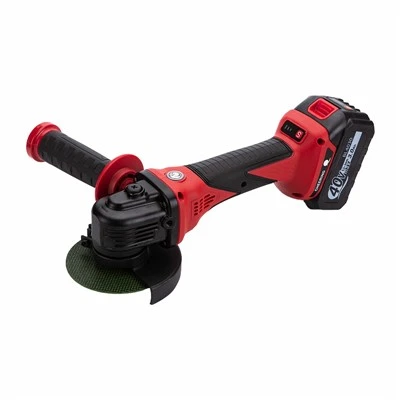
If you’re considering making the switch to a cordless angle grinder for your next DIY project, or you want to chat about which model fits your specific needs, feel free to reach out for a purchasing and product consultation. We’re happy to help you find the right tool for your project, no pressure, just honest advice based on what works for real DIYers.
Brushless Angle Grinder References
- Power Tool Institute. (2022). Cordless Power Tool Performance: 2022 Update. Retrieved from industry power tool safety and performance guidelines for consumer-grade cordless tools.
- American National Standards Institute. (2021). Safety Standard for Portable Angle Grinders, Corded and Cordless. ANSI B107.11-2021.
- DIY Home Improvement Association. (2023). 2023 DIY Tool Usage Survey: Common Projects and Tool Preferences for Residential DIYers.
Zhejiang Cheering Sewing Machine Co., Ltd.
With abundant experience, we are one of the most professional cordless angle grinder manufacturers and suppliers in China. Please feel free to wholesale advanced cordless angle grinder for sale here from our factory. We also accept customized orders.
Address: No.69 Heping Road, Lishui, Zhejiang, China
E-mail: gxjlq@126.com
WebSite: https://www.cheering-machinery.com/
