If you’ve ever shopped for driving assistance devices—think forward collision warning systems, lane-keep assist modules, adaptive cruise control units, or even the latest semi-autonomous parking aids—you’ve probably found yourself staring at the fine print on product pages, scrolling through forums, or asking sales reps: Is there a warranty? And what does it actually cover? As a supplier of these devices, I field this question at least a dozen times a day, from everyday drivers retrofitting an older vehicle to fleet managers outfitting 50 work vans. It’s not an unreasonable question. These systems are complex, they’re wired directly into a car’s electrical and safety infrastructure, and when they fail, they can lead to costly repairs, or worse, safety risks on the road. Today, I want to break down what warranties for driving assistance devices really entail, how to make sure yours is valid, and why as a supplier, we stand behind every unit we ship. Driving Assistance Device
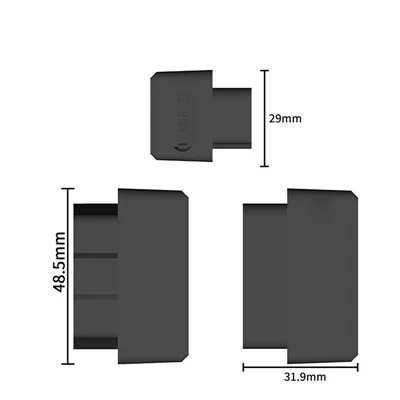
First, let’s clear up a common myth: not all driving assistance devices (DADs, as we refer to them internally) come with the same warranty, and “warranty” doesn’t always mean the same thing. For context, most original equipment manufacturers (OEMs) include a 3-year/36,000-mile warranty on factory-installed driver-assist features, but that coverage is tied to the car itself, not the component. When you buy an aftermarket device—like the dash-mounted forward collision warning systems we supply, or the standalone lane-departure alert modules many of our customers install on pickup trucks or RVs—that coverage is separate, and it’s critical to read the terms before you buy.
Let’s start with the basics: what a standard DAD warranty covers. At our company, for example, every driving assistance device we manufacture and distribute comes with a 2-year/24,000-mile warranty (whichever comes first) for parts and labor. That means if the sensor, control module, wiring harness, or any core component of the system fails due to a manufacturing defect—say, a faulty solder joint on the radar unit that causes false collision alerts, or a camera lens that cracks from a factory seal leak—we cover the cost to repair or replace it, no questions asked. This is non-negotiable for us because we test every unit three times before it leaves our warehouse: first during assembly, then after it’s fully calibrated, and finally in real-world road conditions to ensure it meets our performance standards.
But there’s a catch, and it’s one that trips up a lot of customers: the warranty is only valid if the device is installed correctly, and not modified or abused. We see this all the time. A customer might try to install a lane-keep assist module themselves, skip the calibration step that syncs the camera to the car’s steering system, and then blame the device when it doesn’t work. Or they might mount a radar unit too low on the bumper, where road debris or water damage can get to it, and expect us to cover the repair. Our warranty explicitly states that installations must be performed by a certified technician, either one from our approved network or one trained to work with automotive electrical systems and driver-assist calibration. That’s not a fine print trick—it’s because these systems rely on precise alignment and communication with the car’s computer to work safely. A misaligned sensor can do more than just trigger false alerts; it can miss a stopped car or misread a lane line, which is why we require proper installation to stand behind our product.
Next, what’s not covered by most DAD warranties—and this is equally important. Wear and tear, for one thing. A sensor that’s scratched by a rock kicked up by a truck, or a wiring harness that frays from being pinched by a car’s door frame over time, isn’t a manufacturing defect, so we don’t cover that. Damage from accidents or extreme weather, like a flood that short-circuits the control module or a hailstorm that cracks the camera housing, is also excluded. And let’s talk about modifications: if a customer adds an aftermarket add-on that wasn’t designed for our device, or tries to hack the control module to adjust sensitivity beyond our recommended settings, that voids the warranty. We design our systems to work within specific parameters for safety, and modifying them can create risks we can’t take responsibility for.
Now, what about longer coverage? Many of our customers, especially fleet operators who rely on their DADs to avoid costly collisions, ask about extended warranties. We offer an optional 3-year extended warranty for most of our devices, which brings total coverage to 5 years/60,000 miles. This covers things like normal wear and tear on non-core components, and even adds coverage for accidental damage from road debris up to a certain cost. For fleet managers, this is a popular option because it reduces unexpected repair costs and keeps their vehicles on the road longer. We also offer group warranty rates for fleets with more than 20 vehicles, which is something other suppliers rarely provide, because we understand that fleet operators need predictable costs to run their business.
A common confusion point is the difference between device warranties and the car’s original warranty. If your car is still under the OEM warranty (usually 3 years/36,000 miles), some OEMs will cover damage to a factory-installed driver-assist system, but that’s only for defects in the car’s design or manufacturing. If you install an aftermarket device, that’s not part of the car’s factory warranty, so you’ll rely on the device’s warranty. We get a lot of customers who call us upset because their OEM dealership refused to cover an aftermarket DAD they installed, and that’s a perfectly fair frustration—so always make sure you’re clear on what coverage applies to what part of your vehicle.
I should also address a question I get a lot: what if I buy a used driving assistance device or a refurbished one? We offer refurbished units for sale at a discounted rate, and those come with a 1-year warranty, which covers manufacturing defects. They’re fully tested and re-calibrated in our facility, so they’re as reliable as new units, just with a lower price point. However, we don’t offer extended warranties on refurbished units, and installation still has to be done by a certified technician to keep the warranty valid. That’s a good thing to keep in mind if you’re shopping for a budget option—refurbished isn’t just a “used” product; it’s a tested, reliable alternative with a shorter but still solid warranty.
As a supplier, our relationship with customers doesn’t end when we ship a driving assistance device. We offer free technical support for the life of your product, even after the warranty expires. If you’re having trouble calibrating a new device, or if you’re seeing a persistent error message, our support team is available 7 days a week to walk you through troubleshooting steps. We also have a network of approved installers across the country, so if you need help with installation or a repair under warranty, you can easily find a technician who’s trained on our products. We don’t want customers to get stuck with a faulty device and no help— that’s why we prioritize support as much as the warranty itself.
Wait, what about international customers? We ship our driving assistance devices to over 20 countries, and we offer local warranty support for customers in North America, Europe, and parts of Asia. For customers in other regions, we work with local distributors to provide warranty service, so you don’t have to ship a faulty unit back to our headquarters for repair. That’s another point that sets us apart from smaller suppliers, who might only offer warranty service for customers in their home country.
Let’s talk about a real example to make this concrete. A few months ago, a small business owner who runs a delivery van fleet called us because his new forward collision warning system was giving constant false alerts. He’d installed it himself, skipped the calibration step, and was frustrated that it wasn’t working. Our support team walked him through the calibration process over the phone, but because he wasn’t a certified technician, he still couldn’t get it right. We arranged for one of our approved installers to come to his lot, calibrate the system, and since the installation wasn’t done correctly by a certified tech, he had to pay for the service— but once that was done, the system worked perfectly. He later upgraded to our extended warranty, and we’ve had no issues with his units since. That’s the kind of support we’re proud to provide, and it’s why our warranty is more than just a piece of paper—it’s a promise that your device will work when you need it, and if it doesn’t, we’ll make it right.
Another example: a customer had a DAD fail after 18 months, right at the end of the standard warranty. The control module was faulty, and even though it was just a month past the 2-year mark, we still repaired it for free as a goodwill gesture. We know that manufacturing defects can sometimes show up right at the end of the coverage period, and we don’t want to leave customers hanging. That’s not a requirement by law, but it’s how we do business.
Now, let’s cover some legal stuff, because warranty terms are regulated differently in different parts of the world. In the U.S., for example, the Magnuson-Moss Warranty Act requires that warranties be clearly disclosed, and that you don’t have to use the manufacturer’s parts or service to keep the warranty valid— as long as that service is done correctly. That means if you use a certified independent technician to install your device, you don’t void the warranty, which is good to know if you don’t want to go to the dealership for every repair. In the EU, warranty terms are required to be at least 2 years for consumer goods, which aligns with our standard warranty. Always check your local consumer protection laws, because some regions have minimum warranty requirements that apply to driving assistance devices.
At the end of the day, the takeaway is this: driving assistance devices do come with warranties, but not all warranties are created equal. As a supplier, we design our products to be reliable, we stand behind our work, and we provide clear terms so you know exactly what’s covered. Whether you’re a driver looking for an aftermarket system for your personal car, a fleet manager outfitting a fleet of work vehicles, or a technician looking for reliable parts, the first step to making sure your warranty is valid is to read the terms, follow the installation guidelines, and reach out to our support team if you have questions.
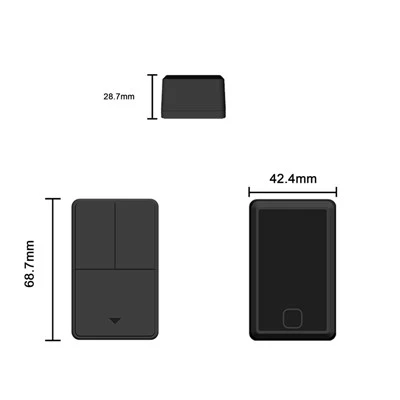
If you’re interested in learning more about our driving assistance devices, including warranty details, installation support, or pricing for bulk orders, we’d welcome the chance to discuss your needs. Our team is available to walk you through every part of the process, from choosing the right device for your vehicle to making sure you understand your warranty coverage.
Vehicle Sensor References:
National Highway Traffic Safety Administration. Driver Assistance Technologies: An Overview. 2023.
European Commission. Consumer Rights Directive. 2011.
Magnuson-Moss Warranty Act, 15 U.S.C. § 2301 et seq. 1975.
Automotive Aftermarket Industry Association. Warranty Best Practices for Automotive Parts Suppliers. 2022.
Shenzhen Xuneng Chuangxiang Technology Co., Ltd.
Shenzhen Xuneng Chuangxiang Technology Co., Ltd. is one of the most professional driving assistance device manufacturers and suppliers in China, featured by quality products and good service. Please rest assured to buy bulk customized driving assistance device made in China here from our factory. For price consultation, contact us.
Address: Room 515, Fuxiang Building, No.1 Wenming Road, East Zone, Baishixia Community, Fuyong Subdistrict, Bao’an District, Shenzhen City
E-mail: xn.sungang@gmail.com
WebSite: https://www.szxunneng.com/
