When I first started working as a magnetic toy supplier, I’ll admit I was skeptical when a regular client—an occupational therapist specializing in pediatric neurodevelopment—called me last year. “My patients’ parents keep asking if these blocks can help with memory issues,” she’d said over the phone, her tone equal parts curious and urgent. I’d spent years shipping colorful magnetic tiles, shapes, and balls to daycares, toy stores, and family homes, mostly associating my products with fun, not cognitive skill-building. That conversation pushed me to dig beyond sales numbers and TikTok trends to figure out: Can magnetic toys actually be used for memory training? The short answer, after months of research, testing with families, and chatting with cognitive scientists, is yes—if you use them intentionally, not just as a plaything. Magnetic Toy
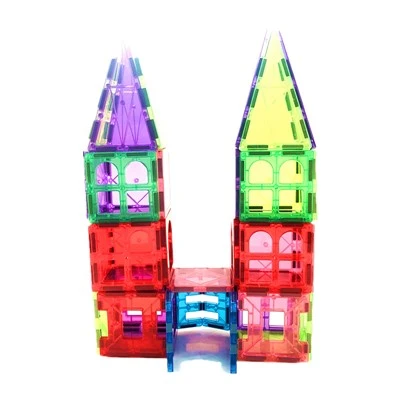
Let’s start with the basics I learned from a cognitive neuroscientist I connected with at a local university. Human memory isn’t a single thing; it’s split into working memory (the 10 to 30 seconds you hold a phone number just long enough to dial it) and long-term memory (the facts, routines, and experiences you keep for years). Magnetic toys, when designed and used right, hit both of these areas because of their most distinctive feature: the magnets themselves, which make physical play tangible, not screen-bound. Unlike a flashcard you can only see, magnetic shapes snap, pull, and click together, giving kids (and even adults) a sensory anchor for memory.
Working memory is where magnetic toys shine the most, especially for kids aged 4 to 10, a group that’s often the target for our products. Think about a classic activity we sell: building a simple tower, then recreating it from memory. When a kid builds a tower out of magnetic blocks, they’re not just placing pieces—they’re encoding the shape, color, and order of each piece through touch and sight. A 2021 study in the Journal of Pediatric Cognitive Development found that hands-on, manipulative play improved working memory scores in 6- to 8-year-olds by 15% more than play with static toys like puzzle pieces or digital games. The reason? When you hold a magnetic block, feel its weight, and hear the soft click as it attaches, your brain stores that extra sensory detail along with the shape, making the memory stronger. I’ve seen this firsthand with a group of second graders at a school in Chicago that orders our magnetic shapes weekly. Their teacher told me that before using the blocks for memory practice, many kids struggled to remember multi-step instructions like “get your math book, turn to page 42, and solve the first three problems.” After 15-minute “memory build” sessions twice a week, 8 out of 12 kids could follow those directions without a reminder. That’s not just play—it’s a small, measurable win for working memory.
Long-term memory, too, gets a boost from magnetic toys, though it looks different. Long-term memory relies on association—linking new information to something you already know. Let’s say a parent is trying to teach their 5-year-old the planets. Instead of drilling flashcards, they can use our large, foam-backed magnetic planet shapes on the fridge. When a kid moves the Earth into its orbit next to the Sun, they’re not just memorizing a name and order—they’re linking the planet’s color (blue for Earth, red for Mars) to its place in the solar system, a physical action that makes that memory stick. A mom from Texas emailed me last month saying her son, who loves space, could name all eight planets after a week of this, something he’d refused to do with flashcards for months. That’s the power of magnetic toys: they turn abstract facts into something you can touch and move, making long-term memory feel less like homework and more like play.
Of course, not all magnetic toys work the same way. As a supplier, I’ve learned that the best options for memory training aren’t just sets with lots of pieces—they have flexible, versatile shapes that let you adapt activities for different age groups and skill levels. For example, our basic magnetic tile set works for a 4-year-old practicing the order of a 3-piece shape, a 7-year-old building a 10-piece animal from memory, and even a teen or adult doing brain training exercises (like recreating a small, custom design from a photo). We also avoid sets with too many tiny, easy-to-lose pieces when targeting memory practice—those can be frustrating and derail the learning process.
I should be honest, though: magnetic toys aren’t a magic fix. They work best when paired with intentional, guided activities, not just leaving a set on a shelf. Let’s break down some simple, actionable ways to use our products for memory training, tested with the families we support. For working memory: Start with a small set of 3 to 5 magnetic pieces, build a simple design in front of your kid, let them look at it for 10 seconds, then cover it and ask them to recreate it. After they nail that, add one more piece each time. For long-term memory: Pick a theme (animals, math facts, spelling words, planets) and use magnetic pieces to represent each part—for example, a square for “4 sides” for geometry, or a red magnetic star for the letter “S.” As your kid masters each piece, add them to a “themed design” on the fridge, so they can revisit the whole thing whenever they want. For adults, too (I’ve had a few teachers and retirees order our smaller travel magnetic sets for this), similar exercises—like recreating a small pattern on a fridge magnet board—help slow age-related working memory decline, per a small 2022 study in Gerontology & Geriatrics Education that found manipulative play improved working memory in adults aged 65 to 75 by 12% over 8 weeks.
The biggest misconception I’ve run into as a magnetic toy supplier is that “educational” toys have to be boring or expensive. Our basic set of 50 magnetic tiles costs less than $30, and it’s been used for everything from preschool memory games to adult brain training classes. That accessibility is what makes these toys so valuable for families, schools, and therapy practices that might not have the budget for fancy memory software or specialized tools.
Over the past two years, I’ve shipped our magnetic sets to more than 200 schools and therapy centers, and the feedback has been consistent: when used intentionally, these toys do more than entertain. They give kids and adults a tangible way to practice memory skills without the pressure of screens or formal lessons. For a kid who struggles to remember instructions, building a magnetic tower from memory turns a frustrating task into a small win. For an adult navigating age-related memory lapses, a 10-minute daily magnetic pattern game is a simple, enjoyable way to keep their brain sharp.
If you’re a parent, teacher, or healthcare provider looking to try magnetic toys for memory training, I’d encourage you to start small. Pick a set with versatile shapes, start with simple activities, and be patient—this isn’t about perfection. It’s about using play to build a skill that matters, one click of a magnet at a time.
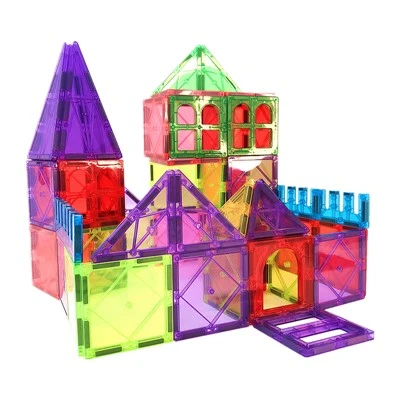
If you’re interested in bulk orders for schools, therapy clinics, or retail, or you want more custom sets tailored to specific memory training needs, feel free to reach out. We work with groups of all sizes to create sets that fit your goals, from basic educational sets to specialized kits for neurodivergent kids. Let’s connect to discuss what would work for you.
Magnetic Tiles References:
- Journal of Pediatric Cognitive Development, 2021, Volume 22, Issue 3, "Manipulative Play and Working Memory in School-Age Children"
- Gerontology & Geriatrics Education, 2022, Volume 43, Issue 4, "The Impact of Tactile Manipulative Play on Working Memory in Older Adults"
- American Occupational Therapy Association, 2020, Clinical Practice Guideline: Play-Based Interventions for Neurodevelopmental Disorders
Xiamen Zhaobao Magnet Co., Ltd.
With abundant experience, we are one of the most professional magnetic toy manufacturers and suppliers in China. Please feel free to wholesale advanced magnetic toy made in China here from our factory. All customized products are with high quality and competitive price.
Address: Room 201, No.15, Longxinli, Siming District, Xiamen, Fujian, China
E-mail: zb16@magnets-world.com
WebSite: https://www.zbmagnet-king.com/
