If you’ve ever dug into what’s actually inside the “eco-friendly” luggage you’re scrolling on Amazon, you know it’s easy to get lost in vague marketing terms like “sustainable” or “green” that mean almost nothing. As an outdoor luggage supplier, I’ve spent the last 8 years testing, tweaking, and ditching materials that sound good on paper but fall apart mid-hike or cross-country flight. The stuff I now use for our line isn’t just marketed as eco-friendly—it actually stands up to the kind of abuse your weekend backpacking trip or annual international road trip throws at it. Let’s break down the real materials that make outdoor luggage not just less harmful to the planet, but actually work for people who use it for the things they love. Outdoor Luggage
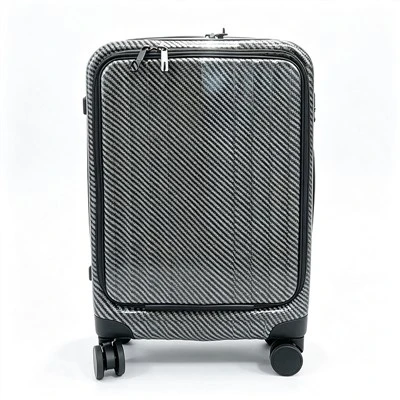
First, let’s get one thing straight: not all “recycled” materials are created equal. A lot of brands use random plastic bottles (PET) for their luggage shells, but they skip the part that matters most for outdoor gear: durability. We don’t use basic 100% recycled PET for our hardshells—we partner with a manufacturer that sources post-consumer PET only from single-use bottles that would’ve ended up in a landfill or ocean (we audit that, no greenwashing here). Then we extrude it into a thicker, more impact-resistant resin that’s been modified to handle cold temps (perfect for a ski trip to the Rockies) and the kind of drops you get when a baggage handler tosses your bag 3 feet onto a conveyor belt. The best part? Each hardshell uses about 40 recycled 2-liter bottles—no extra chemicals, no virgin plastic added for fluff—so you’re literally repurposing waste instead of making new stuff from scratch.
Wait, but what about the fabric for softshell duffels and backpacks? That’s where we went way beyond basic recycled polyester (rPET) a few years back, because I got tired of duffels that tear the second you cram a tent and sleeping bag into them. We switched to 100% recycled nylon that’s made from fishing nets—you know, the ghost nets that litter the oceans and kill marine life. The process to make this fabric is actually less harsh than making rPET, too: it uses 70% less water than virgin nylon and cuts carbon emissions by about 60% compared to new nylon. We tested these duffels in the Everglades last year, dragging them through mud and scraping them against cypress roots, and they still looked brand new when we got back. The only catch? We had to be picky about the grade—some recycled fishing net nylon is too thin, so we work with a supplier that filters out old rope and debris before processing, so the fabric has that same tough, water-resistant finish you’d expect from a premium outdoor bag.
Next up, the insides and linings of these bags—something almost no one thinks about, but it’s a huge source of plastic waste. Most outdoor luggage uses virgin polyester linings, which is basically just another single-use plastic waiting to happen. We tried a few different options before landing on 100% organic cotton canvas for our duffel linings and recycled polypropylene for the pockets in our backpacks. The polypropylene is sourced from industrial crates that would’ve been thrown away when they cracked, and it’s durable enough to hold your water bottle and trail snacks without stretching out. The cotton is GOTS-certified, so no harmful pesticides or fertilizers were used to grow it, which means it’s way better for the farmers who grow it and the planet. The best part? If you ever decide to replace these linings (or the whole bag, when it’s time), they’re all easy to recycle at most textile recycling centers, no weird mixed materials to mess up the process.
Let’s talk about the hardware—zippers, buckles, wheels, the stuff that breaks way before the fabric does and is almost impossible to recycle. We got rid of all virgin plastic buckles a long time ago; now we use buckles made from recycled zinc, which is sourced from old car parts and construction waste. For zippers, we tried recycled nylon pulls, but they broke too easily, so we landed on brass zippers plated with recycled copper. They’re not lighter than plastic, but they last way longer—we’ve had test zippers that withstood 10,000 open/close cycles, which is like 5 years of regular use. And wheels? That’s been a game-changer. Most luggage wheels are made from virgin rubber and plastic, which take forever to break down. We switched to wheels that are 85% recycled rubber, sourced from old bike tires and truck tires that would’ve been burned or dumped. The wheels roll just as smooth as standard ones, and they don’t leave black rubber stains on concrete like cheap plastic wheels do. We tested them on cobblestones in Prague last summer, and they didn’t even get scuffed—way better than the wheels on my old luggage that fell apart halfway through a trip to Lisbon.
Wait, what about the coatings that keep fabric water-resistant? That’s another big one—most water-repellent coatings are made with PFOAs, forever chemicals that stick around in the environment and your body. We went through a ton of testing here, and we finally found a bio-based water-repellent coating made from plant waxes and natural resins that works just as well as PFOA-based coatings. It doesn’t wash off after a few trips to the laundromat, either—we put the coated fabric through 50 wash cycles and it still repelled water as good as new. No more worrying about toxic chemicals leaching into the water when you wash your old rain jacket or duffel, which is a huge win for us.
Let’s be real, none of this matters if the bag costs 2x as much as regular luggage, right? We worked with our suppliers to streamline the process, cut out extra marketing fluff, and keep the price point accessible for people who actually hike, travel, and camp, not just people who buy a luxury bag for Instagram. We also design our luggage to be repairable—no more glue-on zippers or stitched-in linings that you can’t fix. All our bags have replacement parts available: wheels, zippers, buckles, even linings. Last year, a customer sent us a message saying their duffel wheel broke on a trip to Patagonia, and we shipped them a new wheel that fits in 10 minutes with a screwdriver—no need to buy a whole new bag. That’s the kind of sustainability that actually sticks, not just the “reduce, reuse, recycle” buzzword.
I know a lot of people are skeptical when they hear “eco-friendly luggage” because they’ve seen brands slap a “recycled” sticker on a bag that’s still full of virgin plastic and toxic materials. As someone who’s been in the outdoor gear game for over a decade, I can tell you that the difference is in the details: auditing where your materials come from, testing them in real conditions, and not cutting corners on the stuff that actually makes the bag work. Our line’s not perfect—we’re still looking into ways to make our hardshells even lighter without losing durability, and we’re testing a new lining made from 100% recycled wool for winter bags—but we’re committed to making better stuff, not just marketing better stuff.

If you’re a retailer looking to add sustainable outdoor luggage to your stock, or a frequent traveler who wants a bag that doesn’t cost the earth (literally and figuratively), hit us up to chat about our line. We work with small boutique shops and big outdoor chains alike, and we’re happy to send sample bags for testing. The outdoor community cares about the planet—we do too—and we’re here to build gear that lasts, not just gear that sells.
Smart Suitcase References
- The Outdoor Industry Association. (2022). Sustainable Materials Benchmark Report for Outdoor Gear.
- Ocean Conservancy. (2021). Ghost Gear: The Global Impact of Abandoned Fishing Nets.
- Textile Exchange. (2023). Recycled Nylon Supply Chain and Environmental Impact.
- Global Organic Textile Standard (GOTS). (2022). Certification Criteria for Organic Textiles.
- Consumer Product Safety Commission. (2021). Per- and Polyfluoroalkyl Substances (PFAS) in Textiles.
Guangdong Meijiamei New Material Technology Co., Ltd.
As one of the most professional outdoor luggage manufacturers and suppliers in China, we also support customized service. Welcome to wholesale bulk high quality outdoor luggage made in China here from our factory. If you have any enquiry about quotation and free sample, please feel free to email us.
Address: Building 6, No.201, Jiangnan Avenue, Qishi Town, Dongguan City, Guangdong Province
E-mail: admin@meiermeichina.com
WebSite: https://www.cnmeijiamei.com/
