Hey there, if you’ve ever driven past a steel mill at dusk and seen that bright, searing orange light shooting up from a massive, boxy furnace, that’s probably an electric arc furnace (EAF) doing its thing. I’ve been supplying parts and whole setups for these things for over a decade now, and I get asked this question all the time: “How does that bad boy actually work? It just looks like it’s melting metal with lightning, right?” Well, yeah, kinda—but there’s way more to it than just throwing electricity at scrap and calling it a day. Let me break this down like I would for a regular guy looking to upgrade his EAF or someone just curious enough to stay up past their bedtime googling industrial gear. Electric Furnace
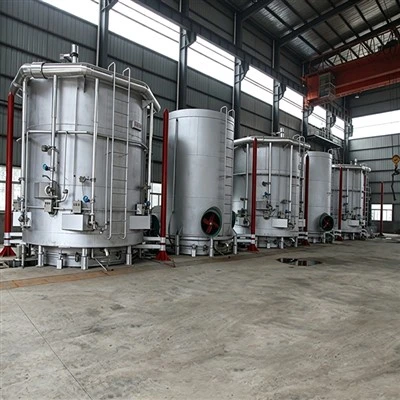
First off, let’s get one thing straight: EAFs aren’t new, but they’ve changed a TON in the last 20 years. Back in the day, they were just for small jobs or specialty steels, but now they crank out like 30% of the world’s steel. Why? ‘Cause they’re way cleaner than old blast furnaces—no coke, way less carbon footprint. That’s why I’ve been swamped with orders from mills trying to hit those net-zero targets. But enough about the hype; let’s get to the nuts and bolts.
The whole process starts with the feedstock. 90% of the time, EAFs run on scrap metal—old cars, demolished buildings, even leftover steel from other factories. It’s way cheaper than using iron ore, and you can recycle that stuff over and over without losing quality. Sometimes we’ll add a little pig iron if the mill needs extra carbon, but scrap is the star here. The scrap gets prepped, sorted by type and grade, and loaded into the furnace. Wait, the furnace itself is a refractory-lined vessel—think thick heat-resistant bricks that can handle 3,000+ degrees Fahrenheit without turning to mush. That’s non-negotiable, by the way; if the lining cracks, you’re looking at a shutdown that costs you hundreds of thousands of bucks a day. I sell those linings, so trust me, I’ve seen what happens when someone skips on quality there.
Next up, the electrodes. These big bad boys are what create the arc—they’re made of graphite, super conductive and tough enough to handle the heat. Most EAFs have three electrodes, arranged in a triangle (kinda like a giant tripod). You lower ‘em down into the furnace, leaving a tiny gap between the tip of the electrode and the scrap. When you crank up the electricity, that gap turns into an arc—like a lightning bolt that’s constant, not a flash. That arc hits the scrap and instantly melts it. That’s where the heat comes from—each arc is like 100 megawatts, enough to power a small town. Crazy, right?
But here’s the thing: you can’t just lower the electrodes all the way and blast nonstop. If they touch the molten metal, you short out the power supply, and that’s a whole mess. So there’s a control system—computerized these days, but back in the day it was guys sitting in a booth with joysticks watching gauges. Now it’s all automated, adjusting the electrode height in milliseconds to keep the arc steady. I supply the control modules for that, and let me tell you, the mills that skimp on those end up wasting electricity and damaging the electrodes. It’s a balancing act.
Once the scrap starts melting, you’ve got to keep the process moving. There’s something called “foamy slag” that’s super important—if you skip this, the heat radiates out of the furnace and you lose tons of energy. To make foamy slag, you add fluxes (like lime) and other materials to the molten metal. The reactions from those fluxes make tiny bubbles that float up, turning the slag into a foam that covers the metal like a blanket. That insulation keeps the heat in, so you’re not burning through more electricity than you need. I’ve had a few clients come to me saying their EAF is running hot—turns out their slag was too thin, not using enough flux. Fix that, and their energy use drops by 15% easy.
While all that’s going on, we’re not just melting metal—we’re refining it too. Impurities like sulfur, phosphorus, and excess carbon get burned off or floated out. The heat from the arc helps speed up those reactions, and the slag absorbs the bad stuff. You’ll test the metal every so often with a sample—now they use real-time sensors to check the composition, but old-school was sticking a rod in and cooling it, then chipping away to look at the grain structure. Back in the day, I’d get a call at 2 a.m. from a mill saying their carbon was off, and I’d have to rush them a new sensor or a flux material to fix it. Those are the calls I still remember.
Once the scrap is fully molten, you let all the impurities rise to the top as slag, then you tap the furnace. Tapping is when you tilt the whole furnace (they’re mounted on rollers, by the way) and pour the molten steel out through a spout into a ladle. The slag stays behind, ‘cause it’s lighter. Then the ladle goes off to a secondary refining station—like a ladle furnace—to tweak the composition even more, before it gets cast into blooms or slabs. The whole EAF process from start to tap? It takes like 45 minutes to an hour, which is way faster than a blast furnace that takes 8 to 12 hours. That speed is why EAFs are so popular now.
Wait, I should mention the off-gas system, too—because EAFs put out a ton of smoke and fumes. You can’t just let that go into the air, not these days. The hood that sits over the furnace sucks all the off-gases out, filters them through a baghouse or electrostatic precipitator, and even captures heat that can be reused to power the mill’s other equipment. I’ve installed a few of those off-gas recovery systems, and one client told me they now use the heat to heat their office building. Who would’ve thought? It’s not just about melting metal anymore—it’s about being efficient.
Now, let’s talk about common pain points I see as a supplier. A lot of new operators think EAFs are set-it-and-forget-it, but that’s not true. Electrode wear is a big one—every time you run a furnace, the graphite electrodes wear down, so you have to add new sections on the fly. If the control system isn’t adjusted right, the electrodes wear unevenly, which costs you money in replacements. Another big one is refractory lining damage—constant heating and cooling can crack it, so you have to do maintenance between heats. Skipping that leads to leaks, and then you’re looking at a full shutdown. I do emergency parts runs all the time for that.
Also, there’s a lot of tech coming out now that makes EAFs even better. Modern EAFs run on 100% renewable electricity, so their carbon footprint is basically zero if the grid is clean. I helped a mill in the Pacific Northwest upgrade their EAF last year to run on hydro power, and they now market their steel as “green steel” which sells for a premium. That’s the kind of project I love being part of.
Let me wrap this up so it’s not a novel. An EAF operates by using high-powered electric arcs between graphite electrodes and scrap metal to generate intense heat that melts the scrap. Along the way, you add fluxes to make foamy slag to save energy, refine the metal by removing impurities, control the electrodes to keep the arc steady, and capture off-gases for efficiency. The whole process is fast, flexible, and way cleaner than traditional steelmaking— and as a supplier, I’m here to help mills keep theirs running smoothly, upgrade when they need to, and tackle those common headaches that cost time and money.
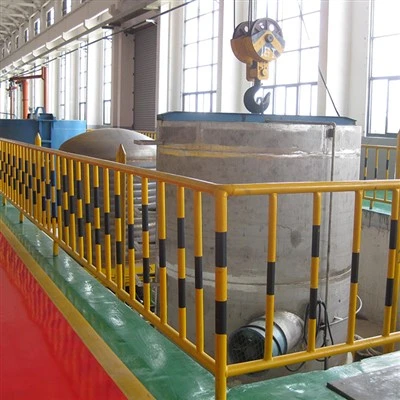
If you’re looking to replace parts, upgrade your control system, or even look at a whole new EAF setup, don’t hesitate to reach out. We’ve got the parts, the expertise, and the track record to get your furnace running at peak efficiency. No sales jargon, just straight talk from someone who’s been in this game long enough to know what works and what doesn’t.
Nitriding Furnace References:
- Fruehan, R. J. (2007). The Making, Shaping, and Treating of Steel (11th ed.). Association for Iron and Steel Technology.
- Williams, D. (2021). Advances in Electric Arc Furnace Technology for Sustainable Steel Production. Iron and Steel Engineer Magazine.
- American Iron and Steel Institute. (2022). Electric Arc Furnace Operations and Best Practices.
Jiangsu Fangwei Furnace Industry Co., Ltd.
Jiangsu Fangwei Furnace Industry Co., Ltd. is one of the most professional electric furnace manufacturers and suppliers in China. With abundant experience, we are committed to providing high quality customized products with competitive price. Please feel free to buy advanced electric furnace made in China here from our factory.
Address: No.168, HuangNian Bridge, DaoShu Town, Danyang City, JiangSu Province, China
E-mail: fangwei@fwfurnaces.com
WebSite: https://www.fwfurnaces.com/
