If you’ve ever worked with fasteners or heavy-duty assemblies, you’ve probably run into key locking inserts at some point. These little workhorses keep bolts from vibrating loose, right? But if you’re anything like the engineers, machinists, and maintenance teams I chat with every week, you’ve probably wondered: can you get these things with different surface treatments? Short answer—hell yeah you can. As someone who’s been supplying key locking inserts for over a decade (I still answer most of my after-hours emails, no fancy call center here), I see this question all the time, and for good reason. The surface treatment on an insert isn’t just a cosmetic touch—it’s what makes it work for your specific job. Let’s break this down like I would with a customer sitting across my desk, no stuffy jargon, just real talk. Key Locking Inserts
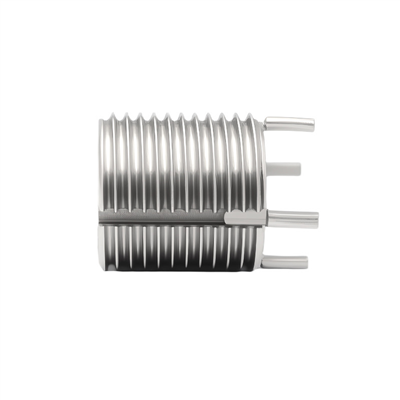
First off, let’s get on the same page about what a key locking insert actually does. These are threaded inserts with those little tangs (keys) that dig into the parent material (think aluminum, plastic, even wood) so when you torque a bolt into them, they don’t spin. They’re used in everything from aerospace parts to lawnmower handles, from medical devices to heavy equipment frames. The base material for most key locking inserts is carbon steel or stainless steel—super strong, but surface treatments are what make them adaptable to every use case under the sun. So why would you need a different surface treatment, anyway? Let’s run through some common scenarios I hear about, because that’s where it makes sense.
Take corrosion resistance, for example. If you’re working on something that’s outside, or gets exposed to moisture, chemicals, or salt air (like farm equipment, marine parts, or even a bike that gets ridden in the rain), a plain steel insert is gonna rust fast. I can’t tell you how many times a farmer has come to me with a tractor engine that’s seized because the original inserts rusted. That’s where zinc plating comes in. Wait, not just any zinc—hot-dip vs. electroplated, but we’ll get to that. Electroplated zinc is the most common, it’s cheap, it gives a good basic barrier against rust. But if you need something tougher, especially for parts that get banged around, zinc nickel is way better—lasts way longer, stands up to harsher chemicals. Then there’s cadmium plating, which is still used in aerospace even though it’s got more regulatory hoops (it’s toxic, so lots of industries are phasing it out). It’s super corrosion-resistant and doesn’t cause galvanic corrosion with aluminum, which is a big win for aircraft parts. I always tell customers: if you’re dealing with salt or harsh chemicals, don’t skip the surface treatment. It’s way cheaper than replacing a whole assembly later.
Next, there’s friction and torque control. This is a big one for applications where you need consistent, repeatable torque—like medical devices, where over-tightening can crack a plastic housing, or automotive parts where a loose bolt is a safety hazard. If you have a plain insert, the friction between the bolt and insert might be all over the place depending on humidity, how clean the part is, even the temperature. So surface treatments that alter friction are perfect here. Dry film lubrication, like PTFE (Teflon) coating, is a go-to. It reduces friction so the torque is consistent, no more guesswork when setting bolt specs. We also do phosphate coatings for that—wait, phosphate is a bit different, it’s a conversion coating that gives a matte gray finish, good for mild friction control and also helps paint or adhesive stick if you’re bonding the insert to the parent material. Oh, and for really high-temp applications? Like turbine parts or engine components, a ceramic coating might be the way to go. It can handle temps up to 2000°F without breaking down, something zinc or PTFE can’t do. I had a customer last year making small turbine blades for a test rig, their first inserts with plain steel kept seizing at 1500°F, switched to ceramic-coated key locking inserts, problem solved.
Then there’s aesthetics and compatibility. Maybe you’re building a consumer product—say, a high-end laptop or a premium kitchen appliance—where the parts are visible. A plain stainless steel insert can be a little dull, or if you need it to match the finish of the housing (like a black plastic frame), you can have the insert coated black. Black oxide is a super common finish here—it’s not as corrosion-resistant as zinc, but it’s cheap, gives a nice black look, and works well for indoor parts where rust isn’t a big issue. Some customers also ask for passivation for stainless steel inserts. Wait, passivation is a treatment that removes free iron from the surface of stainless, making it way more rust-resistant without changing the color or surface texture. That’s a big deal for medical or food-grade applications, right? Because you can’t have contaminants on parts that touch food or go inside the body. I recently supplied a set of inserts to a company making surgical tools, passivated stainless steel, and they specifically noted that the finish didn’t interfere with their sterilization process, which is a huge plus.
Now, let’s talk about the less obvious stuff—like compatibility with the parent material. Galvanic corrosion is a real pain, and it happens when two different metals touch each other in the presence of moisture. So if you’re putting a steel insert into an aluminum housing, a plain steel insert might cause the aluminum to corrode over time. So surface treatments can act as a barrier. Cadmium plating, I mentioned it earlier, works well here because it’s a similar electrochemical potential to aluminum, so it doesn’t spark galvanic corrosion. Zinc nickel is also good for this, more eco-friendly than cadmium these days. For plastic parts, key locking inserts are often made of steel, and if you’re using solvent-based adhesives to bond them, some surface treatments actually interfere with that. Phosphating, for example, etches the surface a little so adhesive sticks way better. We had a customer making plastic toy parts once—they were using plain inserts and the inserts would pull right out because the adhesive wouldn’t stick. Switched to phosphate-coated inserts, and their pull-out strength tripled. Game changer for their production line.
Wait, should I mention the different surface treatment types with a little context, not just a list? Let’s make it practical. Here’s what we stock most often, and what they’re used for: Zinc plating (electroplated) – general purpose, indoor use, basic corrosion resistance. Zinc nickel – harsh environments, outdoor, salt exposure. Black oxide – aesthetic, indoor parts, mild friction. Passivation – stainless steel, food/medical grade. Dry film lubrication (PTFE/MoS2) – consistent torque, no galling. Ceramic coating – high temp, extreme environments. Phosphate – adhesive compatibility, mild friction. And we can do custom treatments too, if none of these fit. I tell customers all the time: don’t guess, send me your specs, and we’ll tell you what works. No sales pitch, just what’s actually gonna do the job.
Now, let’s get real about common mistakes I see. A lot of people will order a standard carbon steel insert because it’s cheap, and then wonder why it rusts in 6 months, or why the bolt breaks because the friction is all wrong. I get it, you want to save a buck, but the surface treatment is like insurance for your insert. For example, a set of zinc-plated inserts is only a few cents more than a plain one, but it’ll last 10x longer. Last year, a customer came to me after buying 1000 plain inserts for their outdoor power equipment, half of them rusted before they even installed them. We sent them zinc-plated ones, and their field failures dropped by 90%. That’s the kind of win I care about, not just making a sale.
Another thing: some people ask if surface treatments affect the insert’s size or thread quality. A valid question. Most treatments we use are thin—like zinc plating is 0.0005” to 0.002” thick, which is way smaller than the tolerance of the insert’s threads. So you won’t have to adjust your tap or die when you install them. The only exception is things like hot-dip galvanizing, which is thicker—we only recommend that for larger inserts where the size tolerance isn’t super tight. For most applications, thin treatments are no problem at all, I’ve never had a customer complain about thread fit after switching to a treated insert.
Let’s talk about specific industries to make this tangible. Aerospace: they need cadmium or zinc nickel, passivated stainless, high temp ceramic. Medical: passivated stainless, black oxide for visibility, no contaminants. Automotive: zinc plating for underhood parts, PTFE for consistent torque on interior components. Marine: zinc nickel, hot-dip galvanizing for parts that go into saltwater. Consumer goods: black oxide, colored coatings for aesthetics. Woodworking: phosphate coated inserts so adhesive sticks to wood, no slipping. I see it all, and the key isn’t just picking a random treatment—it’s matching it to what your part will go through.
Wait, what about eco-friendly stuff? A lot of customers ask about RoHS compliant treatments now, right? Cadmium is being phased out in most industries because it’s toxic, so zinc nickel and black oxide are the go-to alternatives for most people. We stopped stocking cadmium-plated inserts a few years ago, way more demand for RoHS, REACH compliant stuff. That’s important, especially for electronics and European customers. I make sure all our treated inserts are documented, so you can send the spec to your quality team and they’ll sign off on it.
Now, let’s wrap this up with what this all means for you, the person reading this. If you’ve ever thought key locking inserts only come plain, you’re missing out. The right surface treatment can extend your part’s life by years, reduce field failures, make assembly easier, cut down on warranty claims, even save you money in the long run. It’s not an extra cost—it’s an investment. I’ve been doing this long enough to know that the best parts aren’t the cheapest ones, they’re the ones that fit your specific needs.
If you’re still not sure what surface treatment you need, don’t overcomplicate it. Shoot me a message, tell me what your insert is going into (aluminum? plastic? steel?), what environment it’s in (indoor? salt water? high heat?), and what performance you need (consistent torque? rust resistance? adhesive bonding?). We’ve got samples you can test, no obligation, no hidden fees. I don’t do pressure sales, I just give you the straight talk on what works.
At the end of the day, key locking inserts are small, but they’re one of those parts that make or break a whole assembly. Getting the surface treatment right isn’t just a detail—it’s the difference between a part that lasts and a part that needs replacing. We’ve been supplying custom and standard treated inserts for all kinds of industries for years, and we’re always here to help. Reach out whenever you’re ready to talk specs, place an order, or just nerd out about fasteners (I’m that guy who gets excited about thread tolerances, don’t judge).
Self-Tapping Inserts References:
- Fastening and Joining Research Institute. (2022). Surface Treatments for Threaded Inserts: Performance and Application Guidelines. Oak Park, IL: Oak Park University.
- Society of Automotive Engineers. (2021). Aerospace Fastener Surface Coating Standards. SAE International, Warrendale, PA.
- International Organization for Standardization. (2020). Corrosion Protection for Metal Fasteners and Inserts. ISO 10683:2020, Geneva, Switzerland.
- American National Standards Institute. (2019). Plastic Assembly Threaded Insert Performance Requirements. ANSI B18.18.2-2019, New York, NY.
- European Committee for Standardization. (2022). RoHS Compliance for Industrial Fastener Coatings. EN 50581:2022, Brussels, Belgium.
Locking Inserts Technologies Co., Ltd.
As one of the most professional key locking inserts manufacturers and suppliers in China, we’re featured by quality products and good service. Please rest assured to wholesale bulk key locking inserts in stock here from our factory. Also, custom service is available.
Address: 205, 2/F, Bldg. A8, Zhizaogu Ind. Park, No.26 Xingye 5th Rd, Bao’an Dist., Shenzhen, Guangdong, P.R.China
E-mail: sales@lockinginserts.com
WebSite: https://www.lockinginserts.com/
