Hey there, fellow valve folks! I’m Jake, part of the team that supplies trunnion ball valves to industries like oil and gas, petrochemicals, and even power plants—places where a valve that fails isn’t just an inconvenience, it can shut down an entire operation, or worse, cause safety issues. I’ve been in this game for 7 years now, and I’ve heard every horror story about trunnion ball valves: valves that leak mid-commissioning, ones that seize up during a critical process, even ones that blow out under pressure. Let’s talk about the common failures I see (and help my clients fix) because knowing what can go wrong is half the battle of keeping your system running smoothly. Trunnion Ball Valve

First, let’s get one thing straight: trunnion ball valves aren’t like the standard floating ball valves you might use for water lines. They have a trunnion (two supports on top and bottom of the ball) that holds the ball in place under high pressure, so they’re built for heavy-duty, high-pressure, high-temperature applications. That’s why they’re the go-to for pipelines and refineries—but that same heavy-duty design means they fail for specific reasons, not just random bad luck.
Let’s start with the big one: external leakage. This is the most common complaint I get, and it’s usually tied to the stem seal or the body seal. Wait, why would a trunnion valve leak externally when they’re built tougher? Most of the time, it’s not the valve itself being bad out of the box—it’s either installation shortcuts or poor maintenance. I had a client last year who rushed installation and over-tightened the packing gland bolts on a 10-inch trunnion valve. They thought more pressure would stop leaks, but actually, that crushed the PTFE packing, which is meant to flex a little as the stem moves. The packing wears out faster, and within 6 months, they had a small leak every time the stem moved. Another time, a client used the wrong lubricant for the stem seal—they went with a generic grease instead of the valve-specific synthetic we recommend. The generic grease broke down at their operating temperature (which was 350°F, higher than the grease’s rating), so the seals dried out and started leaking within a year. Pro tip: don’t skip on installation torques and don’t cut corners on lubricants—those small steps prevent 80% of external leaks.
Next up, internal leakage. This is when fluid slips past the ball and seat, not out the valve body, and it’s a silent killer because you might not notice it until your process starts dropping pressure. I’ve seen two main types here: seat damage and trunnion failure. Seat damage usually comes from two things: debris in the line or improper seating torque. If your upstream filter isn’t working, tiny metal shavings, sand, or scale can get trapped between the ball and seat every time you open or close the valve. These act like sandpaper, scratching the soft seat (usually PTFE or a modified polymer) so the seal is no longer tight. Last quarter, a client sent us a failed valve where the seat had deep grooves—turns out their upstream strainer had a ¼-inch hole in it that they didn’t check during their monthly maintenance. The other seat issue I see is not fully opening or closing the valve. If you don’t turn the handle or actuator all the way to the stop, the ball doesn’t seat properly, so fluid leaks through. I had a power plant client who automated their valves but didn’t adjust the actuator limit switches— the valve was only 80% closed, so every time the turbine ramped up, pressure slipped past the seat and made their efficiency drop by 5%. As for trunnion failure—wait, that’s less common, but when it happens, it’s bad. The trunnion pins that hold the ball can wear out or corrode if the valve is cycled too much without lubrication, or if the material of the trunnion isn’t matched to the fluid. For example, a client in a sour gas application used a standard carbon steel trunnion pin, and within two years, it had corroded enough that the ball shifted, causing internal leakage.
Third on the list: valve seizure. This is when the ball won’t turn at all, and it’s a huge problem for startups or emergency shutdowns. Seizure happens for a couple of reasons, most of which tie back to operating conditions. The main one is lack of lubrication on the ball and seat. Trunnion valves need periodic lubrication to reduce friction as the ball rotates—if you skip that, especially in high-pressure applications, the ball actually presses harder against the seat, so over time, they weld together. I had a pipeline client who only lubricated their valves once a year, as required by a old procedure. But their valve cycled 10 times a day, so every cycle added friction. After 3 years, the ball seized completely during an emergency shutdown, and they had to replace the whole valve (costing them $20k in downtime and parts). Another seizure cause is thermal expansion. If the valve is in a line where temperature fluctuates a lot—say, from 50°F to 600°F—the ball and trunnion expand at different rates (depending on their material). If the trunnion material has a lower thermal expansion rate than the ball, the ball will expand more and get stuck between the trunnion supports. I helped a refiner fix this a while back by swapping out their carbon steel trunnions for alloy steel, which matched the ball’s expansion rate, and they haven’t had a seizure since.
Fourth: actuator failure that ties back to the trunnion valve itself, not the actuator. A lot of people blame the actuator when the valve won’t move, but sometimes it’s the valve that’s putting too much stress on the actuator. Wait, let’s clarify: trunnion valves have higher seating forces than floating valves, so if the actuator isn’t sized correctly to handle that force, it will burn out or break. I had a client who swapped a floating valve for a trunnion valve to handle higher pressure, but kept the old actuator. The actuator was only rated for floating valve forces, so every time they closed the trunnion valve, the actuator strained and burned out its motor within 6 months. The fix was simple: size the actuator to match the trunnion valve’s specific torque requirement, which we always provide with every valve we sell. Another actuator-related failure: stem misalignment. If the valve is installed at a slight angle (not perfectly plumb), the stem bends a little every time you rotate the ball. Over time, that bending causes the stem to crack, so the valve won’t operate smoothly. I see this a lot on valves installed in tight spaces where installers have to bend piping to make it fit—always use alignment jigs to make sure the stem is straight, that’s non-negotiable.
Wait, I should also mention corrosion-specific failures, especially for clients in corrosive environments like offshore, chemical plants, or sour gas. Trunnion valves are usually made of carbon steel or stainless steel, but if the fluid has high levels of hydrogen sulfide (sour service) or chloride, standard materials will corrode. For example, I had an offshore client who used a standard 316 stainless steel trunnion valve for a seawater line. The chloride in the seawater caused stress corrosion cracking in the valve body, and within 18 months, they had a small crack. We had to swap it for a duplex stainless steel valve, which is resistant to chloride stress corrosion cracking, and that’s been holding strong for 4 years now. Another corrosion issue: galvanic corrosion, when two different metals (like the valve body and the trunnion pin) are in contact in a fluid that conducts electricity. If there’s no insulating washer between them, the metal with the lower corrosion resistance will corrode faster. I always add those washers to valves for offshore clients as a standard, it’s a cheap fix that saves a lot of headache.
Now, let’s talk about why these failures happen so often even though trunnion ball valves are reliable. A lot of clients treat them like “set it and forget it” valves, which is a mistake. They don’t do regular maintenance checks—they skip lubrication, don’t replace filters or strainers, and don’t calibrate actuators. Also, a lot of people choose the wrong valve for the application: using a trunnion valve that’s too small, or material that can’t handle the fluid or temperature. When we talk to new clients, we always start with a site survey to get details on pressure, temperature, fluid type, cycle rate, and operating conditions, so we can recommend the right valve. I’ve had clients who tried to save $500 by buying a cheaper valve from a random supplier, only to spend $50k on downtime when it failed. That’s not a win.
What can you do to avoid these common failures? Let’s break down the basics, no fancy stuff: First, follow the installation guidelines—torque bolts to the specs we provide, make sure the valve is aligned, use the right gaskets. Second, stick to a maintenance schedule: lubricate the valve every 3 months (for high-cycle applications) or every year (for low-cycle), check strainers/filters monthly, inspect seals and trunnion pins for wear every 2 years. Third, match the valve material to your application—don’t use 316 stainless for sour gas, don’t use carbon steel for seawater. Fourth, size your actuator correctly—don’t reuse old actuators for new trunnion valves.
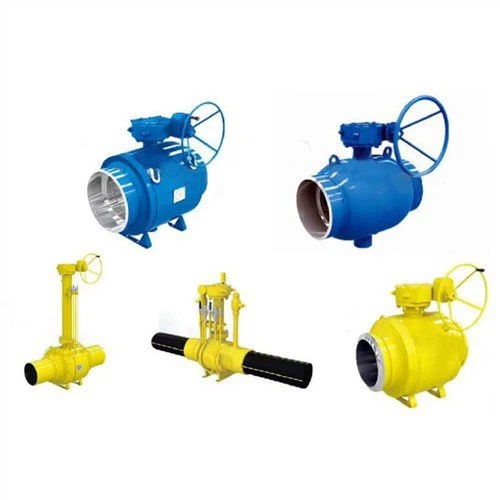
At the end of the day, trunnion ball valves are workhorses, but they need care and attention. I’ve fixed enough failed valves to know that most issues are preventable with basic steps. If you’re having trouble with valve failures, or you need to replace old valves for a new project, hit us up to talk through your needs. We can help you pick the right valve, walk you through installation and maintenance, and make sure you don’t end up with the kind of headaches I see all the time. No pushy sales stuff, just real advice from someone who’s been in the trenches with these valves for years.
Bi-offset Butterfly References:
- Valve Magazine, “Common Failure Modes of Trunnion-Mounted Ball Valves,” 2021
- API 6D, “Specification for Pipeline Valves,” 23rd Edition, American Petroleum Institute, 2020
- NACE MR0175/ISO 15156, “Materials for Use in H₂S-Containing Environments in Oil and Gas Production,” 2020
- Hydraulic Institute, “Valve Selection and Sizing Handbook,” 5th Edition, 2019
Zhejiang Sunawei Valve Co., Ltd.
As one of the most professional trunnion ball valve manufacturers and suppliers in China, we offer a wide range of valves with superior quality. Please feel free to wholesale high quality trunnion ball valve at competitive price from our factory. We also accept customized orders.
Address: Anfeng Industrial, Oubei Town, Wenzhou City, Zhejiang, China
E-mail: snv@sunawevalve.com
WebSite: https://www.sunay-valves.com/
