Hey there, folks! I’m a supplier of PE electrofusion fittings, and today I wanna spill the beans on how these nifty things work. You might be wondering what exactly PE electrofusion fittings are and why they’re so important. Well, let me break it down for you. PE Electrofusion Fittings
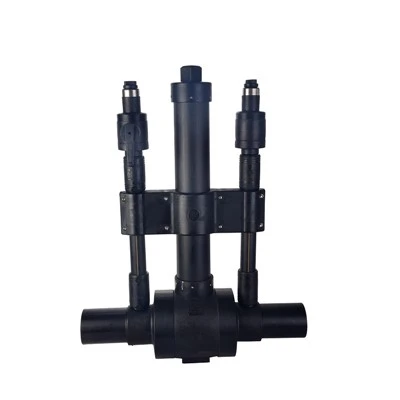
PE, or polyethylene, is a super popular plastic material. It’s tough, resistant to corrosion, and pretty flexible, which makes it perfect for all sorts of piping applications. Whether it’s transporting water, gas, or other fluids, PE pipes are widely used in the industry. But how do you connect these pipes together securely? That’s where our electrofusion fittings come in.
The Basics of Electro – fusion Fittings
So, what’s an electrofusion fitting? Simply put, it’s a piece of equipment made from the same PE material as the pipes. It has a built – in heating element, usually a coil of wire running through it. When you wanna connect two PE pipes, you insert the ends of the pipes into the fitting.
The key here is that the fitting and the pipe need to be a good match. They should have the same material properties, diameter, and wall thickness. This ensures a proper and strong connection. You can’t just throw any old pipe into the fitting; it’s got to be a proper fit.
The Working Process of Electro – fusion Fittings
Let’s dig into the step – by – step process of how these electrofusion fittings work.
Step 1: Preparation
First things first, you need to get everything ready. Clean the ends of the PE pipes thoroughly. Any dirt, grease, or debris on the pipe surface can mess up the fusion process. You can use a special cleaning solvent or just a clean cloth to wipe the pipe ends clean.
Next, measure and mark the insertion depth on the pipes. This is important because you need to make sure the pipes are inserted far enough into the fitting. If they’re not inserted deep enough, the connection won’t be strong, and you could end up with leaks.
Step 2: Insertion
Once the pipes are clean and marked, it’s time to insert them into the electrofusion fitting. Gently push the pipes into the fitting until they reach the marked insertion depth. It should be a snug fit, but not so tight that you have to force it. If it’s too difficult to insert the pipes, there might be something wrong with the sizing or the pipe surface.
Step 3: Electrical Connection
After the pipes are in place, it’s time to make the electrical connection. The electrofusion fitting has a couple of electrical terminals. You’ll use a special electrofusion welding machine to connect these terminals. The welding machine is like the control center for the whole process. It’s got a display where you can set the right parameters, like the welding time and the welding current.
Step 4: Welding
Once the electrical connection is made, it’s showtime. You start the welding process on the machine. The machine sends an electric current through the heating element in the fitting. The current heats up the wire coil, which in turn heats up the PE material of the fitting and the pipes.
As the PE material heats up, it starts to melt. The heat causes the molecules of the fitting and the pipes to become more active, and they start to mix together. This is called fusion. The key here is to maintain the right temperature and welding time. If the temperature is too low or the time is too short, the fusion won’t be complete, and the joint won’t be strong. On the other hand, if the temperature is too high or the time is too long, you can damage the material.
Step 5: Cooling
After the welding time is up, you let the joint cool down. Cooling is just as important as the welding process itself. During the cooling process, the melted PE material solidifies, and a strong and permanent bond is formed between the fitting and the pipes. You have to be patient and let it cool naturally. Don’t try to speed up the cooling process by using water or other methods, as this can cause stress in the joint and weaken it.
Advantages of Using PE Electrofusion Fittings
Now that you know how they work, let me tell you why these electrofusion fittings are so great.
Strong and Reliable Joints
The fusion process creates a joint that’s almost as strong as the pipes themselves. There are no weak spots or areas where leaks are likely to occur. This is crucial, especially in applications where safety and reliability are top priorities, like gas pipelines.
Easy Installation
Compared to other methods of joining pipes, electrofusion is relatively easy. You don’t need a lot of special tools or highly skilled workers. Once you’ve got the right welding machine and the fittings, you can get the job done with a bit of training.
Corrosion Resistance
Since both the pipes and the fittings are made of PE, they’re highly resistant to corrosion. This means they can be used in all sorts of environments, even those with harsh chemicals or high humidity, without worrying about the pipes or the joints rusting or deteriorating.
Leak – Free
The tight and secure joint created by electrofusion virtually eliminates the risk of leaks. This not only saves you from potential water or gas losses but also reduces the risk of environmental contamination.
Applications of PE Electrofusion Fittings
PE electrofusion fittings are used in a wide range of industries.
Water Supply Systems
In water supply networks, these fittings are used to connect pipes for transporting clean water to homes and businesses. The leak – free joints ensure that there’s no loss of water during transportation, and the corrosion resistance means the pipes can last for a long time.
Gas Distribution
For natural gas distribution, safety is of utmost importance. PE electrofusion fittings provide a reliable and secure way to connect gas pipes, reducing the risk of gas leaks, which can be extremely dangerous.
Industrial Piping
In industrial settings, where all sorts of fluids are transported, these fittings are used to connect pipes in chemical plants, food processing facilities, and more. Their resistance to chemicals and ability to create strong joints make them a great choice.
Why Choose Our PE Electrofusion Fittings
As a supplier, I can tell you that our PE electrofusion fittings are top – notch. We use high – quality PE materials that meet all the industry standards. Our manufacturing process is carefully monitored to ensure that every fitting is of the highest quality.
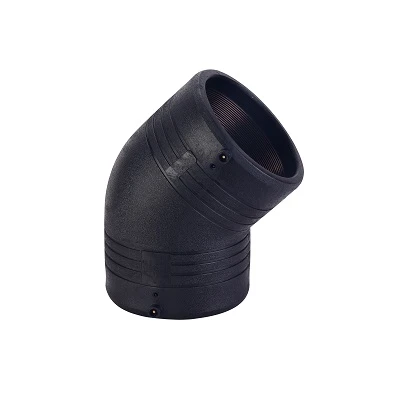
We also offer a wide range of sizes and types of electrofusion fittings to meet your specific needs. Whether you need a simple straight fitting or a more complex elbow or tee fitting, we’ve got you covered.
Our customer support team is always ready to help. If you have any questions about installation, compatibility, or anything else related to our products, just give us a shout. We’ll be more than happy to assist you.
Let’s Connect
PE Ball Valve If you’re in the market for PE electrofusion fittings, I encourage you to reach out. Whether you’re working on a small – scale project or a large – scale infrastructure development, we can provide you with the right products at a competitive price. Don’t hesitate to contact us for more information, product samples, or to start a procurement discussion. We’re looking forward to working with you!
References
- "Plastic Pipes Handbook" by Berndt – Michael Rittmeyer
- "Polyethylene Piping Systems" published by the Plastics Pipe Institute
Zhejiang Shengbo Pipe Fittings & Valves Industry Co., Ltd.
With abundant experience, we are one of the most professional pe electrofusion fittings manufacturers and suppliers in China. Please feel free to buy discount pe electrofusion fittings from our factory. Welcome to contact us for quotation and free sample.
Address: No. 79 Hemudu North Road, Hemudu Town, Yuyao City, Ningbo City, Zhejiang Province, China
E-mail: shengbo@zj-shengbo.com
WebSite: https://www.shengbofitting.com/
