Enamel cookware and stainless steel cookware are two popular choices in the kitchen, each with its own set of characteristics, advantages, and drawbacks. As a supplier of enamel cookware, I am often asked how enamel cookware compares to stainless steel cookware. In this blog post, I will delve into the various aspects of these two types of cookware to help you make an informed decision. Enamel Cookware
Material and Construction
Stainless steel cookware is made primarily of iron, chromium, and nickel. The chromium forms a passive layer on the surface of the steel, which protects it from corrosion and gives it a shiny, sleek appearance. This material is known for its durability and resistance to rust, making it a long – lasting option in the kitchen.
Enamel cookware, on the other hand, is made by fusing a layer of glass to a metal base, usually cast iron or steel. The enamel coating is applied at high temperatures, creating a hard, non – porous surface. The metal base provides strength, while the enamel layer offers a smooth and colorful cooking surface.
Heat Conductivity
One of the most important factors in cookware is its heat conductivity. Stainless steel has relatively poor heat conductivity on its own. It tends to heat up slowly and unevenly, which can lead to hot spots during cooking. To address this issue, many stainless – steel cookware pieces are made with an aluminum or copper core, which improves heat distribution.
Enamel cookware, especially those with a cast – iron base, has excellent heat retention and distribution properties. Cast iron is a great conductor of heat, and the enamel coating helps to keep the heat evenly distributed across the cooking surface. This means that food cooks more evenly in enamel cookware, reducing the risk of burning or undercooking.
Non – stick Properties
Stainless steel is not naturally non – stick. To achieve a non – stick surface, some stainless – steel cookware is coated with a non – stick material such as Teflon. However, over time, the non – stick coating can wear off, especially with aggressive scrubbing.
Enamel cookware has a smooth, glass – like surface that is naturally non – stick. Food is less likely to stick to the enamel surface, making it easier to clean. Additionally, the non – stick properties of enamel do not degrade over time, as long as the enamel coating remains intact.
Chemical Resistance
Stainless steel is highly resistant to most chemicals and acids. It can withstand contact with acidic foods such as tomatoes, citrus fruits, and vinegar without reacting. This makes it a suitable choice for cooking a wide variety of dishes.
Enamel cookware is also resistant to many chemicals, but it can be damaged by highly acidic or alkaline substances. If the enamel coating is chipped or scratched, the underlying metal may be exposed to these substances, which can cause corrosion. Therefore, it is important to handle enamel cookware with care and avoid using abrasive cleaners.
Aesthetics
Stainless steel cookware has a modern, sleek appearance that is popular in many kitchens. It is available in a variety of finishes, including brushed, polished, and matte, to suit different design preferences.
Enamel cookware comes in a wide range of colors and patterns, adding a touch of style and personality to the kitchen. The bright and vibrant colors of enamel can make the cookware a focal point in the kitchen, and it can be used as both a cooking tool and a decorative item.
Durability
Stainless steel cookware is generally very durable. It can withstand high temperatures, scratches, and dents. However, the non – stick coating on some stainless – steel cookware may wear off over time, reducing its performance.
Enamel cookware is also durable, but the enamel coating can be prone to chipping if it is dropped or hit against hard surfaces. Once the enamel is chipped, the underlying metal is exposed, which can lead to rust and corrosion. However, if properly cared for, enamel cookware can last for many years.
Cleaning and Maintenance
Stainless steel cookware is relatively easy to clean. It can be washed with mild dish soap and water, and most stains can be removed with a soft sponge or cloth. However, stubborn stains may require the use of a stainless – steel cleaner.
Enamel cookware is also easy to clean. The non – stick surface makes it simple to remove food residue, and it can be washed with warm, soapy water. It is important to avoid using abrasive cleaners or scrubbers, as these can damage the enamel coating.
Cost
The cost of stainless steel and enamel cookware can vary depending on the brand, quality, and size. Generally, stainless – steel cookware is more affordable, especially for basic models. High – end stainless – steel cookware with advanced features such as a tri – ply construction can be more expensive.
Enamel cookware is often more expensive than stainless – steel cookware, especially those made with high – quality materials and craftsmanship. However, the cost may be justified by its long – term durability and unique aesthetic appeal.
Environmental Impact
Stainless steel is a recyclable material, which makes it an environmentally friendly choice. It can be melted down and reused to make new products, reducing the demand for new raw materials.
Enamel cookware is also relatively environmentally friendly. The enamel coating is made from natural materials, and the metal base can be recycled. However, the production process of enamel cookware may require more energy and resources compared to stainless – steel cookware.
Conclusion
In conclusion, both enamel cookware and stainless steel cookware have their own advantages and disadvantages. Stainless steel cookware is durable, resistant to corrosion, and relatively affordable. It is a good choice for those who prefer a modern, sleek look and need a cookware that can withstand heavy use.

Enamel cookware, on the other hand, offers excellent heat distribution, natural non – stick properties, and a wide range of colors and patterns. It can add a touch of style to the kitchen and is a great option for those who want to cook evenly and have an aesthetically pleasing cookware.
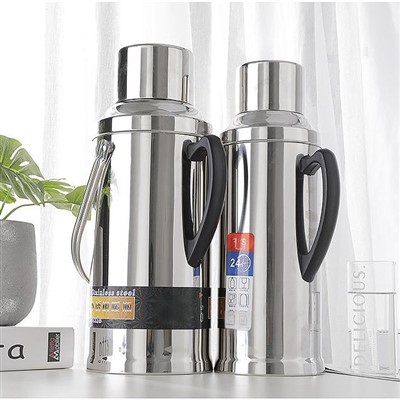
Stainless Steel Vacuum Flask As a supplier of enamel cookware, I believe that enamel cookware has a lot to offer. Its unique combination of functionality and style makes it a popular choice among home cooks and professional chefs alike. If you are interested in learning more about our enamel cookware or are considering making a purchase, I encourage you to contact us for a detailed discussion. We are happy to provide you with more information, answer your questions, and help you find the perfect enamel cookware for your kitchen.
References
- McGee, H. (2004). On Food and Cooking: The Science and Lore of the Kitchen. Scribner.
- The Cook’s Thesaurus. (n.d.). Cookware Materials. Retrieved from various culinary resources and industry reports.
Kairun International Co., Ltd.
With abundant experience, we are one of the most professional enamel cookware suppliers in China. Please feel free to wholesale customized enamel cookware made in China here from our factory. For more cheap products, contact us now.
Address: NO. 60 JIAZHAI,NANSHI DISTRICT,DONGYANG CITY,ZHEJIANG PROVINCE, CHINA
E-mail: lanzhou301@126.com
WebSite: https://www.kairun-houseware.com/
