If you’ve ever stared at your weathered outdoor patio—cracks forming in old concrete, paint peeling from years of sun and rain—you’ve probably wondered: Can I use floor paint on outdoor patios? As a floor paint supplier, I get this question every single week, and the answer isn’t a simple “yes” or “no.” It depends on what kind of floor paint you’re reaching for, what your patio is made of, and how much wear and tear it’s going to face. Over the past 12 years in this business, I’ve seen homeowners fix patios that last for years with the right product, and others waste time and money on the wrong paint that chips or fades in a single season. Let’s break this down so you don’t make the same mistakes. Floor Paint
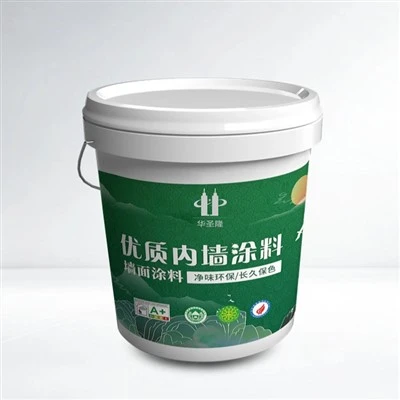
First, let’s start with the basics: what’s the difference between indoor floor paint and outdoor floor paint? A lot of people don’t realize these two are formulated for completely different environments. Indoor floor paint is designed for low-traffic, temperature-stable spaces—think your basement floor or a home office. It prioritizes smoothness and color, not resistance to moisture, UV rays, or extreme temperature swings. Outdoor floor paint, on the other hand, is engineered to handle all that: it has UV inhibitors to prevent sun-fading, flexible binders to expand and contract with concrete as temperatures shift (hot in the summer, cold in the winter), and additives that repel water to keep moisture from seeping into cracks.
So can you take indoor floor paint and slap it on your patio? Technically, you can—but it won’t last. I had a customer last summer who did exactly that: he used a leftover can of indoor epoxy from his garage on his back patio. Within three months, the paint was peeling in sheets. Why? Epoxy for indoor spaces is too brittle; when concrete expands in 90-degree heat, the rigid epoxy can’t stretch, so it cracks and lifts away. Plus, indoor epoxy has no UV protection—after a few months of sun, the color faded to a dull, chalky gray. That’s a wasted $80 and a weekend of work.
Now, what about outdoor-specific floor paint? That’s where things get good, but not all outdoor floor paints are created equal. Let’s talk about the main types our company supplies, and which ones work best for patios.
First, acrylic floor paint. This is the most common option for outdoor patios, and for good reason. Acrylic is water-based, easy to apply with a roller or sprayer, and it dries fast (usually in 2-4 hours, depending on humidity). It’s flexible, so it moves with concrete, and most quality acrylic paints have UV inhibitors that keep color bright for 3-5 years. It’s also budget-friendly—far cheaper than epoxy or polyurethane, which makes it a popular choice for DIYers. The downside? Acrylic isn’t as scratch-resistant as other options. If you’re parking a heavy grill on your patio or moving patio furniture with metal legs, you might get scuffs over time. But for a small, low-traffic patio where you just want a fresh color for gatherings, acrylic is a solid pick. We recommend our Premium Acrylic Patio Paint for most residential projects—it’s tested to resist fading for 5 years and holds up to light foot traffic and occasional rain.
Next, epoxy floor paint for outdoor use. Wait, epoxy is usually for garages, right? But outdoor epoxy is a thing now. Unlike indoor epoxy, which is a two-part formula that cures into a rock-hard surface, outdoor epoxy is modified with additives to be more flexible. It’s extremely durable—can handle heavy equipment, cars, and constant foot traffic—and it’s stain-resistant (great for spilled wine, grill grease, or mud). But there’s a catch: epoxy needs a very smooth, clean surface to adhere. If your patio has cracks or peeling old paint, you’ll need to patch and sand it first. Also, application is a bit trickier—it’s a two-part product, so you have to mix it correctly and work fast before it cures. And it’s more expensive than acrylic, usually 2-3 times the cost per gallon. But if you have a high-traffic patio, or if you want a sleek, glossy finish that lasts 10+ years, outdoor epoxy is worth it. We offer our Heavy-Duty Outdoor Epoxy for commercial and residential patios that see regular use.
Then there’s polyurethane floor paint. This is the thickest, most durable option we supply. It’s a clear coating, usually applied over another paint (like acrylic) to add extra protection. It’s scratch-resistant, stain-proof, and blocks almost all UV rays, so it won’t fade even in intense sun. The downside? Polyurethane is oil-based, so it has a strong odor when you apply it, and it takes 24 hours or more to dry fully. It’s also more slippery when wet, which can be a hazard on a patio where people walk with bare feet or in sandals. We only recommend polyurethane if you’re looking for maximum durability for a patio that’s near a pool or gets a lot of heavy use, and you don’t mind the extra steps to apply it correctly.
Now, let’s talk about the biggest mistake people make when using floor paint on patios: surface preparation. No matter what kind of paint you use, if your patio surface isn’t ready, it will fail. I can’t stress this enough. We tell every customer: prep is 90% of the job. If you skip prep, your paint will peel, chip, or fade in months, even if you used the right product.
So what does proper surface prep look like? First, clean the patio thoroughly. You need to remove all dirt, grease, mildew, and loose debris. For concrete patios, that means power washing it (rent a pressure washer with at least 3000 PSI) and letting it dry completely for 2-3 days—moisture under the paint is the #1 cause of peeling. If there’s mildew, use a concrete cleaner with bleach (follow the instructions carefully, and rinse thoroughly) to kill it before painting.
Next, repair any cracks or holes. If your patio has small cracks (less than 1/4 inch wide), use a concrete patching compound to fill them. For larger cracks, you might need to use a concrete caulk made for outdoor use. Make sure the patching compound is fully dry before moving on.
Then, etch the surface. Wait, why etch? Concrete has a smooth, sealed surface that paint won’t stick to. Etching creates tiny pores in the concrete so the paint can grip. You can use a concrete etcher (usually a mild acid solution) or a DIY option: mix 1 part muriatic acid with 10 parts water, apply it to the concrete, let it sit for 15-20 minutes, then rinse thoroughly and let it dry again. If you’re using acrylic paint, some modern formulas don’t require etching, but we still recommend it for the best adhesion. For epoxy or polyurethane, etching is non-negotiable.
Finally, prime if needed. Some outdoor paints come with primer built in, but for older, heavily weathered patios, we recommend applying a concrete primer first. Primer helps the paint stick better, especially on surfaces that have been painted before. We carry a concrete bonding primer that works with all our floor paint products, and it’s cheap insurance against peeling.
Now, let’s answer the next common question: how long will floor paint last on an outdoor patio? That depends on the product, prep, and use. With proper prep and a quality outdoor floor paint, acrylic will last 3-5 years, outdoor epoxy 8-12 years, and polyurethane 10-15 years. If you use indoor paint, you might get 6 months to a year, if you’re lucky. I’ve had a customer in Arizona who used our acrylic patio paint 7 years ago—it’s still bright, no fading, even in 110-degree summers. But another customer in the Pacific Northwest, where it rains constantly, had a different experience: he skipped etching, so his paint peeled after a year. It all comes down to prep and choosing the right product.
Wait, what about wood patios? Can you use floor paint on wood decks or patios? A lot of people have wood patios, too. The same rules apply, but you need to use paint made for wood. Our outdoor floor paint works on wood, but we make a specific Wood & Composite Outdoor Floor Paint that has extra adhesion for wood grain. It also resists mildew, which is a big issue on wooden surfaces that stay damp. Never use indoor paint on wood—wood expands and contracts more than concrete, so you need a flexible paint that won’t crack with the movement of the wood.
Another thing to consider: slip resistance. If your patio gets wet often (near a pool, or in a rainy area), you don’t want a super-slippery finish. Acrylic paint has a natural texture that’s not too slippery, but if you want extra grip, you can add sand (play sand, washed and dried) to the last coat of paint. Epoxy can be made less slippery by adding anti-slip aggregate to the surface before it cures, which is a popular option for commercial patios near restaurants or public spaces.
Let’s bust a few common myths here. First myth: “I can just paint over old patio paint.” That’s only true if the old paint is in good shape—no peeling, no chipping, no mildew. If the old paint is flaking, you need to scrape it all off, not just paint over it. The new paint will lift the old paint right off. Second myth: “All outdoor floor paint is the same.” No way—cheap paint from a big-box store might have UV inhibitors, but they’re usually minimal, so the color will fade fast. Our premium paints have UV inhibitors that are tested to last years, so the color stays bright. Third myth: “I can paint my patio in one day.” No—after prep, you have to let the surface dry for a couple of days, apply the paint, and let it cure for 24-48 hours before using it. If you walk on it too soon, the paint will smudge or peel.
Now, what about the cost? Let’s do a quick breakdown to help you budget. A gallon of acrylic patio paint costs around $30-$50, and you’ll need 1-2 gallons for a 10×10 patio (100 square feet). Epoxy is around $60-$80 per gallon, and you’ll need 2 gallons for a 10×10 patio (since it’s two-part). Polyurethane is around $40-$60 per gallon, and you’ll need one coat over a base paint, so that adds $40-$60 on top of the base paint cost. Prep supplies (pressure washer, etcher, patching compound, primer) will add $50-$100, depending on if you rent vs. buy. So total for a 10×10 patio: acrylic is around $100-$150, epoxy around $200-$250, polyurethane around $150-$200 plus base paint. That might seem like a lot, but it’s way cheaper than replacing your patio, which can cost $1,000 or more.
At the end of the day, the answer to “Can I use floor paint on outdoor patios?” is a resounding yes—if you use outdoor-specific floor paint, prepare the surface properly, and choose the right type for your patio’s use. Using indoor floor paint is a recipe for frustration and wasted money. I’ve seen so many customers come to me after that mistake, ready to start over, and when they use our quality outdoor paint and follow the prep steps, they have a patio they love for years.
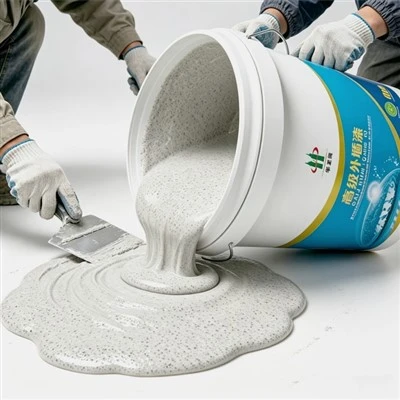
If you’re not sure which paint is right for your patio—whether it’s concrete, wood, high-traffic, or low—our team can help you pick the best product for your needs. Don’t guess and end up with a paint that fails. Reach out to our team to discuss your patio project, and we can guide you through choosing the right floor paint, share tips for prep and application, and make sure your patio looks great and lasts. Let’s make your outdoor space the one you want to spend time on, not the one you have to fix every year.
Textured Coating References
- American Society for Testing and Materials (ASTM) Standard D6083-21, Standard Specification for Liquid Applied Acrylic Coating Used on Concrete Floors, 2021
- International Code Council (ICC) Outdoor Surface Coating Guidelines, 2022
- National Wood Flooring Association (NWFA) Guide to Exterior Wood Coatings, 2020
- U.S. Environmental Protection Agency (EPA) Recommendations for Exterior Concrete Surface Preparation, 2021
Guangdong Tubainian New Materials Co., Ltd.
Guangdong Tubainian New Materials Co., Ltd. is one of the most professional floor paint manufacturers and suppliers in China. If you’re going to buy bulk CE approved floor paint made in China, welcome to get quotation from our factory. All customized products are with high quality and low price.
Address: Lanshukeng Industrial Zone, Hongwei Village, Xinxu Town, Huiyang District, Huizhou City, Guangdong Province, China (Factory of Huizhou Huiyang Bohua Packaging Products Co., Ltd.)
E-mail: sean17898430991@gmail.com
WebSite: https://www.tobettercoating.com/
